
REVIEW · HONOLULU HISTORY, PALACE & GHOST TOURS
Historical Honolulu Bike Tour
A morning ride through Honolulu history sounds simple, until you feel how close everything is. This 4 to 5 hour bike tour strings together Waikiki, downtown, royal sites, and sea views in one smooth loop, with a guide keeping the story flowing as you pedal. I love the small group (max 10) pace, and I love that bikes and helmets are provided so you can focus on the sights. One thing to consider, if you are sensitive to group energy, is that any tour that caps at 10 can still feel like you are sharing space when the route gets busy.
You start in Waikiki and end back where you began, which is a big deal on a first trip. You cover about 13.5 miles, mostly flat, with frequent photo and rest stops, so beginners can keep up without turning it into a fitness test. And because the route passes places you would struggle to reach by foot, you get a lot of “I can’t believe this is so close” moments.
The vibe is safety-first and story-heavy. You get narration throughout, plus a speaker system that helps keep you oriented at stops. If you expect a quiet, private ride with zero interruptions, this is probably not your style, but it is very well set up for a fun, informative morning.
Key highlights to look for
- Max 10 riders for a more personal pace and easier conversations with the guide
- Helmet and bike included, plus bottled water and snacks so you are not hunting mid-ride
- Aloha Tower elevator ride for sweeping harbor views you cannot get the same way on foot
- Kakaako street art stop with time for photos of murals and local creativity
- Downtown and Chinatown fruit sampling that turns a sightseeing ride into a taste tour
- Stops at royal, religious, and civic landmarks, not just scenic coastlines
From Kuhio Beach to Downtown: Why This Morning Loop Works
The meeting point is at Kuhio Beach (2453 Kalakaua Ave, Waikiki) at 7:00 am, and that early start helps more than you think. Honolulu is sunny, bright, and sometimes windy, so morning light and cooler temperatures make the ride feel easier. You also get to see key landmarks before the day fully fills up with tour buses and late breakfast lines.
You end back at the same spot, which keeps logistics simple. No car shuttles to wrangle, no “now what” feeling at the finish. It is also nice if you want to roll straight into beach time after the tour.
Value matters here. For $149 per person, you are not just paying for bike time. You are paying for guided pacing, safety gear, snacks and water, and a route that bundles several major cultural stops into one half-day. That is what turns the cost into something that feels fair.
You can also read our reviews of more cycling tours in Oahu

The Route in Plain Terms: Flat, 13.5 Miles, and Built for Photo Stops
This is a mostly flat ride around Honolulu. That matters because you can spend your energy on enjoying the streets, not grinding uphill. The total riding distance is about 13.5 miles, and you get regular stops for photos and rest.
One detail I like is how the tour keeps you from feeling rushed. The guide works at a pace that stays interesting without leaving you breathless. You also have time to look around, not just pedal past things. The stops are short, but they are frequent, so you get a rhythm: ride, listen, stop, snap a few pics, then move again.
You will also cover a mix of textures, from beachfront and canals to older neighborhoods and downtown blocks. That variety is part of why the tour feels like more than a single “highlight ride.”
Waikiki Start at Kuhio Beach Banyan Tree and the Free Hula Mound
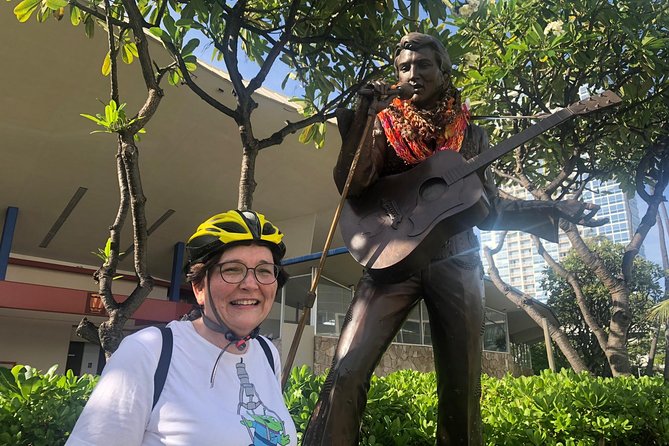
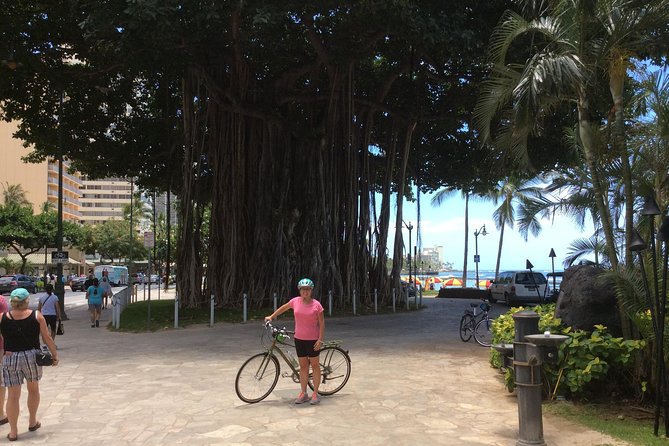
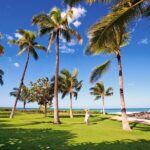
You begin at Kuhio Beach Hula Mound, right where Waikiki does its best work, the classic beach setting with a cultural backbone. This first stop sets the tone: you learn about the Free Hula shows, and you get context for the surfing and sunning side of the beach without treating it like a theme park.
The historic banyan tree matters because it is not just pretty scenery. It anchors the area in a longer timeline, and it helps you understand why certain Waikiki spaces feel special to locals. Even if you have seen banyan trees in other places, you will leave this stop understanding how the beach area connects to Hawaiian community life.
Practical note: this is the start of the day, so bring water and sun protection even though snacks are included later. You will be outside for much of the morning.
Honolulu Zoo Edge, Golf Course Views, and the Ala Wai Canal Story
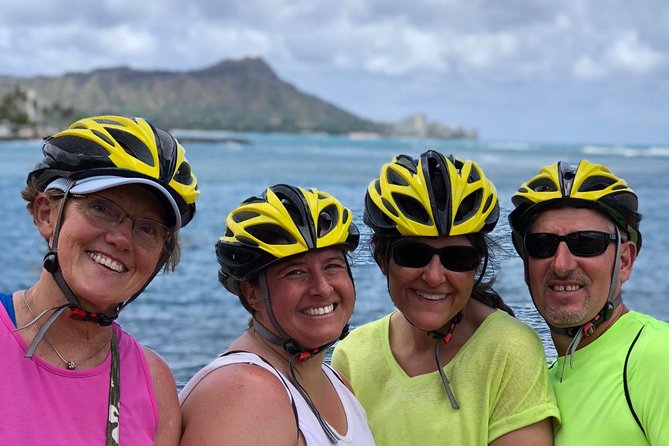
After leaving Waikiki’s beach edge, the ride shifts into “busy city you can actually bike through” mode. You pass the Honolulu Zoo, which is known for having over 1,000 critters. The guide’s narration here helps you see the zoo as part of the city’s layout, not as a separate attraction you would only notice from a distance.
Next comes the golf course segment. You ride along the edge of one of the most popular courses in North America, and you hear what is coming for the area, including a Topgolf facility planned to change the vibe. Even if you do not care about golf, it is useful context for how different kinds of Waikiki-adjacent recreation overlap.
Then you roll alongside the Ala Wai Canals, developed in 1929. You get “past, present, and future” context on this landmark, and it is one of those things that many visitors ignore because it looks like just another strip of water and concrete. Here, it turns into a story about how Honolulu shaped its urban coastline and waterways.
Neal S. Blaisdell Center: Elvis History at the King of Rock and Roll Stop
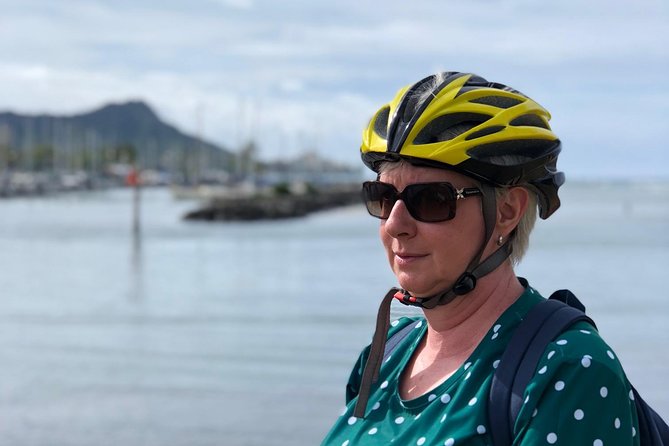
Downtown brings a different kind of history. At the Neal S. Blaisdell Center, you stop to see the King of Rock and Roll, the Elvis Presley connection, and the reality that Honolulu hosted major global pop culture moments too.
The tour highlights that Elvis Presley performed his last concert in 1973 at this venue. There is also an impressive statue stop, and the narration mentions other major performers associated with the center, including Prince, Sting, Jack Johnson, Janet Jackson, and many others.
This is a good stop if you like cultural layers. It is not only about monarchy and churches. Honolulu also has modern music history, and this stop makes that clear without turning the tour into a fandom event.
You can also read our reviews of more historical tours in Oahu
Hawaiian Mission Houses and Kawaiaha’o Church: Faith, Language, and Coral Stone Work
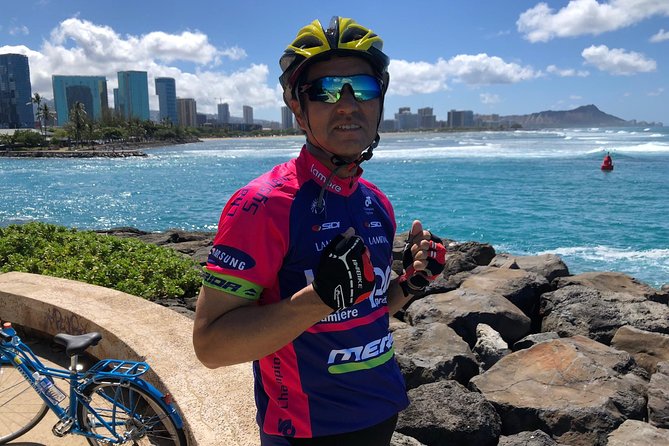
One of the most meaningful segments comes next: two stops that connect you to Hawaiian language and early institutions.
At the Hawaiian Mission Houses Historic Site and Archives, you learn about Hawaii’s first western-style home, brought in by ship and constructed by the Hall Missionary family. You also hear about the printing press that produced the first bible printed in the Hawaiian language. That detail gives you a sharper understanding of how language preservation and religious history intertwined in the early period.
Then the ride moves to Kawaiaha’o Church, famous for its construction using over 14,000 coral stones. This church is presented as a living landmark, not only a photo stop, since it welcomes visitors every Sunday for an 8:30 am service. Even if you are not there on Sunday, the stop adds a sense of place you would miss if you only looked at exteriors from a distance.
If you are the type who likes architecture and materials, take an extra slow minute here. Coral stone work is not something you can really appreciate while biking unless you stop and look.
King Kamehameha Statue and Iolani Palace: Royal Power Without the Museum Crowds
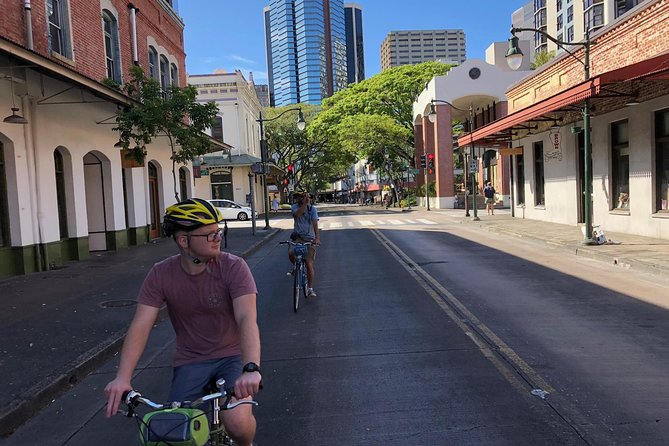
The tour then shifts into the “how Hawaii was governed” lane, and you cover three big touchpoints: the King Kamehameha Statue, Iolani Palace, and the immediate surroundings that shaped the kingdom’s public face.
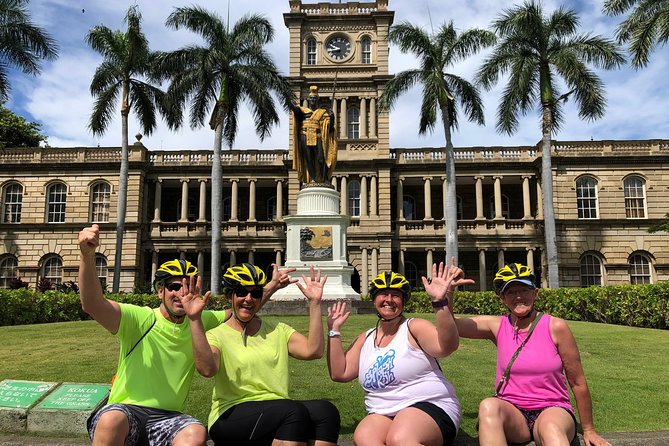
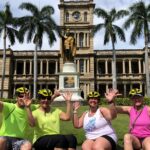
At the statue, you learn about King Kamehameha who united the islands. You also hear that the statue appears in Hawaii Five-0 opening scenes, and you get mention that it was refurbished with real gold paint to show the king’s power as a leader. It is one of those “TV reference meets real monument” moments that makes you look twice at details you might otherwise skip.
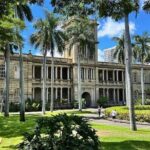
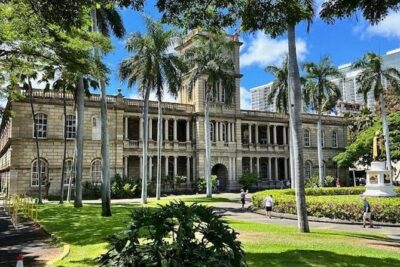
Then comes Iolani Palace, the royal residence of the rulers of the Kingdom of Hawaii. It is described as the only royal palace on US soil, and it is listed as a National Historic Landmark on the National Register of Historic Places. The payoff here is perspective. If you have ever visited a palace where everything feels far away behind fences and museums, you will appreciate how close this one feels to regular city life.
This is also a great stop to ask the guide questions, because the site ties together earlier mission history, religious influence, and civic change. You are not just collecting facts, you are seeing connections.
Hawaii State Capitol and the Open-Air Manna Feeling
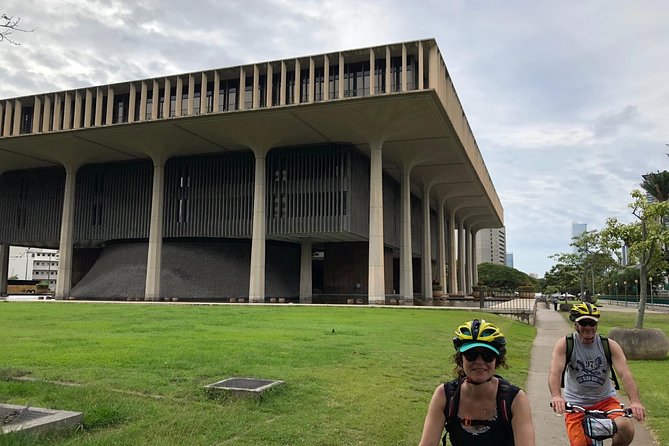
Next, you pedal through the area of the Hawaii State Capitol. You get a quick explanation that it was constructed in 1969, and that it is the only open-air capitol in the entire USA. That “open-air” detail is not trivia for trivia’s sake, it helps explain why this area feels like a public space you can sense rather than a sealed government building you only observe from outside.
The narration also includes the concept of Manna, described as super natural powers Hawaii is known for. The way it is presented is less like a textbook fact and more like cultural framing, which makes the stop feel less sterile. You do not have to share every belief to appreciate the symbolism and the way local culture shapes how people relate to land and place.
Aloha Tower Elevator: Harbor Views and the Early 1900s Arrival Story
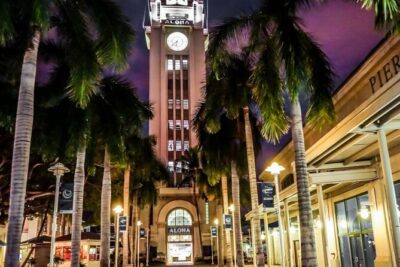
One of the best moments of the tour is the Aloha Tower Marketplace stop. You ride the elevator up the tower for sweeping views of Honolulu and the harbor area. The narration includes an early 1900s idea of greeting family and friends as they arrived by ship. Standing up high makes that story click fast, even if you have never read it before.
You also hear about the surrounding harbor areas and the idea of seeing healthy coral life and fish stock in clear waters. The goal here is to make you look differently at the waterline, not just admire the view and move on.
Practical tip: you will want to pause and look in multiple directions. From the tower top, the city layout makes sense in a new way, and you will notice landmarks you saw earlier on the ride.
Chinatown, Fruit Sampling, and the Downtown Eats Mindset
Between the palaces and the tower area, the tour heads into Chinatown and downtown. This is where the tour becomes more sensory. You stop to sample exotic fruits, and the guide uses the moment to explain what you are eating and why local markets carry what they carry.
This section works well because it turns sightseeing into small, memorable experiences. Also, if you are trying to figure out where to eat after the tour, your guide’s guidance on great local favorites becomes useful right away.
Even though food and drinks are not broadly included, the snacks and water keep you comfortable, and the fruit stop gives you a real taste of the city’s everyday food culture.
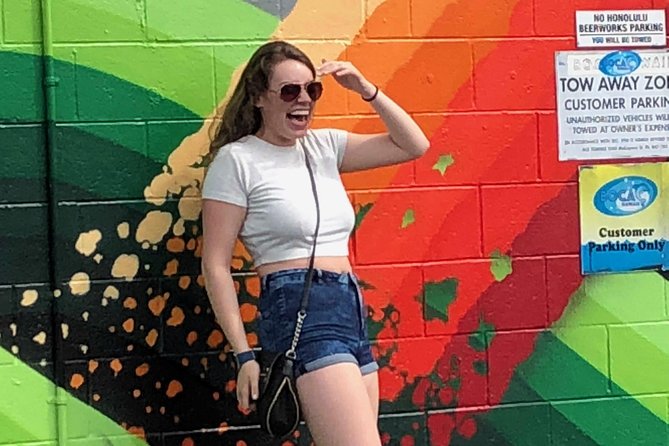
Kaka’ako Street Art Murals and the Photo Moment
After downtown, you hit Kaka’ako, a neighborhood known for street art and mural walls. The tour frames it as a place heading toward major new development, even comparing its future ambitions to Dubai of the Pacific. You might not need that comparison to enjoy the murals, but it does give you context for why the area is changing fast.
You get time to photograph the murals and the artists’ work. The stop is short, but it is designed for pictures, and it gives you that “I saw a local art district” feeling instead of just another landmark selfie.
If your travel style is more street-level than museum-level, this is one of the stops you will remember most.
Magic Island and Ala Moana Park: Reclaimed Land With a Past
Then comes Magic Island, part of Ala Moana Park, often called the People’s Park. You hear that the park was constructed in 1947 to make an unsightly landfill into a space people actually want to visit. Magic Island is described as reclaimed land mass, and the guide shares the key story so you understand why the geography feels the way it does today.
This stop is great because it gives you a clear before-and-after narrative. The place looks like pure leisure now, but you learn it was shaped by practical problem-solving and urban planning.
Final Stretch at Hawaii Convention Center and Ficus Tree Pathways
The ride closes with a last-mile feel near the Hawaii Convention Center, rolling through a pathway lined behind it with dozens of ficus trees. This is not the loudest stop, but it’s a nice finish because it feels like a calm walk-through with shade and a scenic corridor effect.
The tour ends back at the meeting point in Waikiki, so you can continue your day without transit stress. You also get a chance to compare what the guide taught you earlier with what you see now, walking out of the area with a better mental map.
Safety Gear, Bike Pacing, and How the Tour Keeps You in Sync
Helmets and bicycles are provided, and that is a big part of why this tour works for visitors. You are not dealing with rental hassles or figuring out bike sizing the morning of your ride.
The route is set up to be safe, with the guide leading you through busy areas. There are frequent stops for rest and photo ops, so you are not stuck riding through your entire comfort zone.
One thing I especially like is how many guides keep you connected. A speaker system is used so you can hear the narrative while you are moving. If you are used to bike rides where you miss the story because you are focused on traffic, this setup is a relief.
If you are picky about bike condition, pay attention to how the bike feels when you start. The tour’s overall reputation is strong, but once in a while, any bike operation can run into mechanical issues. If something feels off, speak up quickly so the guide can help.
Price and Value: $149 for a Half-Day That Covers Real Ground
At $149 per person, this is not a budget bike rental. It is a guided experience, and the value comes from what is bundled:
- Bike and helmet included
- Bottled water and snacks
- National park fees included
- Time with a guide across major cultural sites
- A route that mixes viewpoint stops, storytelling stops, and a fruit tasting moment
If you tried to recreate this on your own, you would spend time coordinating rentals, figuring out a safe route, and paying for access or guided explanations at multiple stops. Here, those pieces are organized for you, and you get the added benefit of pacing and context.
Also, this tour is capped at 10 travelers, which tends to keep the ride from feeling like a crowded bus with wheels.
Who Should Book This Honolulu History Bike Tour
This is a great fit if you want:
- A mostly flat half-day in Honolulu with a clear story
- A small-group experience instead of a large crowd
- An easy way to see Waikiki, downtown, and royal landmarks without parking hassles
- A mix of culture, street art, and oceanfront viewpoints
It also suits first-time visitors who want to understand how Honolulu is laid out. By the time you finish, you have a mental map that makes the rest of your trip easier.
When to Skip or Adjust Expectations
Skip this tour if you need a totally private experience or you hate sharing space in busy downtown segments. Also, if you prefer to stop for long periods at museums or churches, remember most stops here are short. The design is for movement plus quick context.
It is also an all-weather operation, so bring appropriate gear if rain or wind shows up. If the day is too poor-weather for the experience, you are offered a different date or a full refund.
Should You Book It
I think you should book this tour if you are the type who enjoys learning while you move, not learning only when you park. It is a smart way to get history, neighborhood texture, and a couple of “wow” moments like the Aloha Tower elevator without spending your whole day in lines or on buses.
If you want an efficient, guided way to cover Honolulu’s highlights in one go, this is an excellent choice. If you are looking for a quiet, slow, purely scenic ride, you might prefer something more freestyle.
Either way, go prepared for sun, keep an eye on your bike comfort right away, and plan to use your guide’s local tips for what to do next in Honolulu.
FAQ
How long is the Honolulu Historical Bike Tour?
It runs about 4 to 5 hours.
Where is the meeting point?
You meet at Kuhio Beach, 2453 Kalakaua Ave, Honolulu, HI 96815.
What time does the tour start?
The tour starts at 7:00 am.
What is the riding distance?
The tour covers about 13.5 miles.
How many people are in the group?
The group is capped at 10 travelers.
What is included in the price?
Included are bottled water, snacks, a helmet, a bicycle, and national park fees.
What is not included?
Food and drinks are not included, unless specified.
Is the tour mostly flat?
Yes, the terrain is described as mostly flat.
Does it run in all weather?
It operates in all weather conditions, so you should dress appropriately. If it is canceled due to poor weather, you get a different date or a full refund.
Are children allowed?
Children must be accompanied by an adult. The tour is listed with an English option, and confirmation is received at booking.
More Cycling Tours in Oahu
More Tours in Oahu


More Tour Reviews in Oahu
Not for you? Here's more nearby things to do in Oahu we have reviewed






Honolulu History, Palace & Ghost Tours, compared.
 ★ 4.5Bishop Museum General Admission TicketFrom $38243 reviews
 ★ 4.5Honolulu Haunts and Hauntings Ghost TourFrom $32170 reviews
 ★ 5.0Waikiki Night Marchers Ghost TourFrom $3564 reviews
 ★ 5.0Downtown Honolulu Food Tour with 5 Local Favorites TastingsFrom $10754 reviews
 ★ 5.0Honolulu Night Marchers Ghost TourFrom $3526 reviews
 ★ 4.7Honolulu: Bishop Museum General Admission TicketFrom $3820 reviews
 ★ 4.0Waikiki Ghost Tour: Torches & TerrorsFrom $3216 reviews
 ★ 5.0Through A Glass Darkly The Strange and Tragic History Of HonoluluFrom $3912 reviews
Browse the lists this tour appears in