
REVIEW · WAIKIKI & DIAMOND HEAD TOURS
Waikiki Ghost Tour: Torches & Terrors
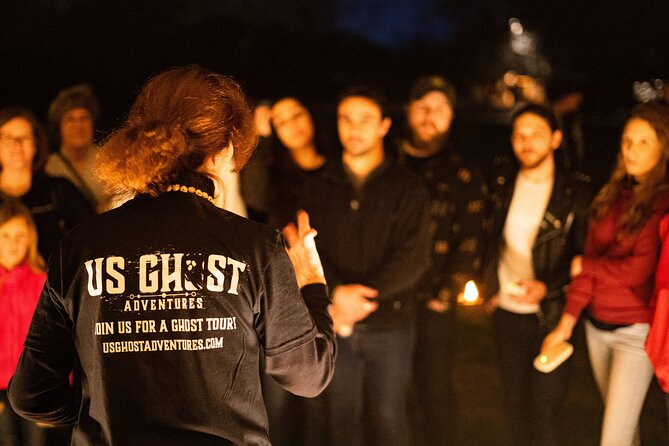
Waikiki looks different when the sun goes down. This Torches and Terrors ghost walk gives you a second view of the neighborhood, with stories tied to real places and Hawaiian history you probably missed in daylight. I love that the guide keeps it interactive, with time to ask questions while you walk, and I also like how the route is built around named landmarks instead of vague creepiness.
The one thing to consider is that this is still a city walk, not a remote, woods-and-mist experience, so if you want isolation and maximum scare factor, adjust your expectations before 8:00 pm.
Key Points You Should Know Before You Go
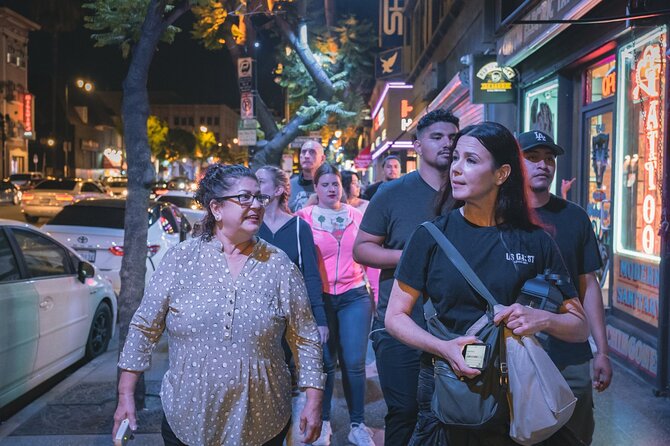
- Torchlight pace, one hour long, starting at 8:00 pm, with stops timed for a tight night walk
- Five specific Waikiki landmarks, including the Stones of Life and the Kāhi Hāli’a Aloha Memorial
- A local guide who encourages questions, plus well-researched historical context mixed with ghost stories
- Small group size, up to 35 people, so you usually get more than just a shout-and-go tour
- Mobile ticket and English, with service animals allowed and the route near public transportation
Waikiki After Dark, with Torches and Real-Place Legends
If you have only seen Waikiki during the day, you have only seen half the story. After dark, the area feels more human scale. The sidewalks still move, but the mood shifts, and that is when the tour’s format makes sense: a guided walk where the guide points out landmarks, then threads in local legends and unsettling history.
What I like most is the structure. Instead of random spooky talk, you’re guided to named places and told what people associate with them. That matters because it keeps the tour from feeling like generic horror. You get Hawaiian history alongside ghost lore, and the best moments tend to be when your guide connects the two.
You’ll also notice the tour leans on conversation. The experience is not just you following like a conga line. Your guide expects questions while you’re on the move, and the small-group size (up to 35) helps the guide actually respond instead of rushing everyone forward.
You can also read our reviews of more tours and experiences in Oahu.



Price, Timing, and Group Size, Is $32 Good Value?
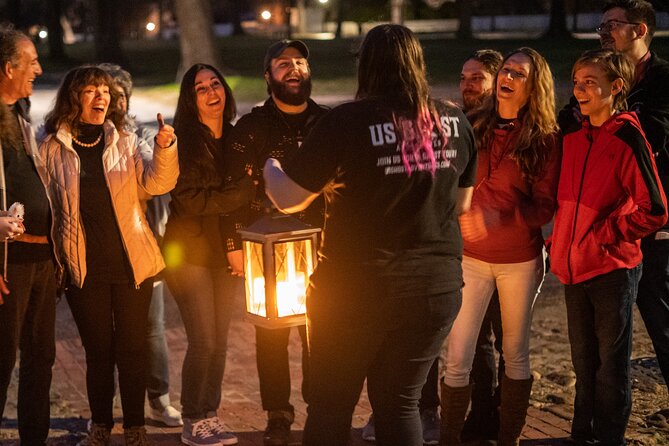
At $32 per person, this is not a bargain-basement activity, but it also is not priced like a big themed show. For the money, you’re buying three things: a trained guide, a guided nighttime route across central Waikiki landmarks, and a story format focused on Hawaiian legends and local ghost accounts.
The timing is the real value. Starting at 8:00 pm means you miss the daytime crush. Even if you still see people around, the tour operates at the hour when Waikiki starts to loosen up, so the walk feels more relaxed. And because the tour is about one hour, it fits into a vacation schedule without stealing half a day.
The group size cap of 35 travelers also matters. You should be able to hear what your guide says and keep up without losing the thread. It is big enough for a lively tour, but small enough that a good guide can keep it personal. The tour has English language support, and you use a mobile ticket, which keeps the setup simple once you are in the meeting area.
One more practical point: a guide tip is not included. Plan on it. Good storytelling is work, and you want to reward it.
The One-Hour Walk, What to Expect Minute by Minute
This is a straightforward format: meet at the first landmark, then move stop to stop on foot. The standard tour runs through five main stops, with about 12 minutes at each one. That makes the pacing easy to follow. You do not get dumped into a long stretch of silence between locations.
The route also stays close to public transit, which can help if you are juggling dinner plans or hopping between Waikiki and other parts of Oahu. Service animals are allowed, so the tour is generally designed with typical visitor needs in mind.
Here is the practical expectation you should set: you are walking through the Waikiki area at night. That means sidewalks, streetlight glare, and normal city sounds. If you are chasing a secluded spookfest, you may find it more grounded than you imagined. But if you want an entertaining night with a local guide who can explain what you are looking at, this format works well.
Also, bring a curious mindset. The experience is at its best when you lean into the questions. If you like learning while you walk, you’ll get more out of each stop.
Stop 1: The Stones of Life, Legends from the 1400s
Your first stop is the Stones of Life, where the guide frames the land’s story far back in time, with references to history reaching to the 1400s. The opening matters because it sets the tone: this is not only about ghosts. It is also about place, and how people interpret meaning in the land.
What you’ll hear here is a mix of reverence and unease. People visit to pay homage to Hawaii’s past, and there are local beliefs that the stones still hold healing powers. Whether you feel anything yourself is up to you, but the point of the stop is to show how strongly some Hawaiian legends tie to specific locations, not generic fear.
I like the way this stop gives you context early. If a ghost tour starts with a random scare story, it can feel disconnected. Here, the guide uses the first location to explain why stories exist in the first place. That makes later stops more satisfying.
Stop 2: Duke Paoa Kahanamoku Statue and the Night Marchers
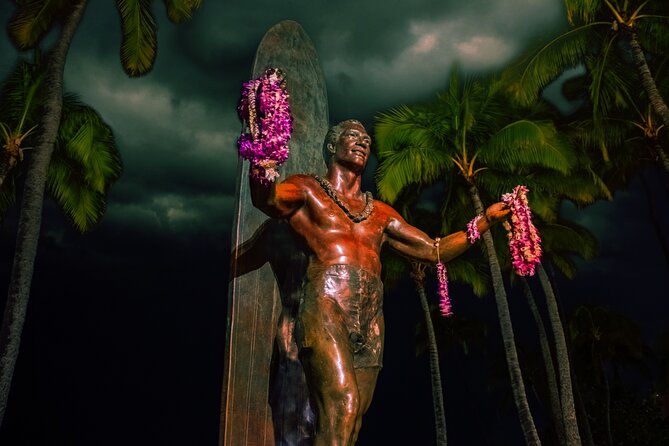
Next you’ll walk to a statue of Duke Paoa Kahanamoku. He is one of Waikiki’s most famous icons, widely credited with helping spread surfing culture around the world. That is your anchor to modern recognition.
Then your guide pulls the supernatural thread in through the legend of the Night Marchers. This part is a classic example of how the tour mixes everyday landmarks with deeper local lore. You’re not only learning about a person you might already recognize, you’re also learning how legends can attach to nighttime movement and spiritual presence.
One of the best ways to get value at this stop is to ask questions. If your guide is good, they will connect the legend to how people interpret warning signs, timing, and the idea of being mindful after dark. This is where the tour’s interactive style pays off.
If you like myth and history tied to specific locations, this stop is a highlight. It also helps balance the darker themes with something many visitors already associate with Hawaii.






Stop 3: ESPACIO, The Jewel of Waikiki, and the Paranormal Stories
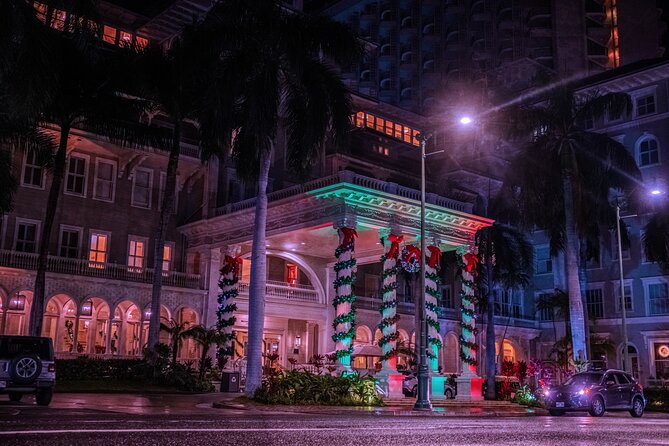
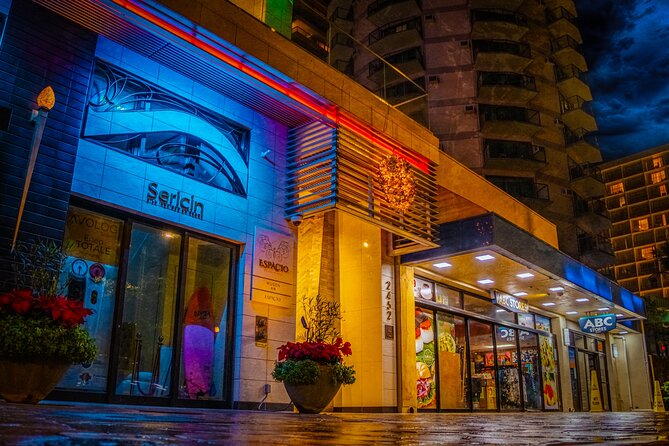
At the ESPACIO hotel, the tour shifts into the more explicitly paranormal angle. The building itself is described as new, so there is less built-in history from the structure itself. Instead, the guide explains how paranormal entities are said to have taken an interest in the site.
This stop can feel like a turning point for some people. You move from the more anchored legends at revered land sites and iconic statues into stories about energy, emotion, and the idea that a place can feel different because of what happened there or what people believe could happen there now.
I appreciate this stop because it prevents the tour from feeling one-note. Ghost stories can become repetitive if every stop is just another scary sound or another cliché apparition. Here, the guide keeps changing the angle: place-based legend, then cultural legend, then building-based paranormal claims.
Just keep a grounded expectation: you are in a real neighborhood at night, so the story experience is mostly carried by the guide’s voice and your imagination, not by movie-style special effects.
Stop 4: St. Augustine by the Sea, Neo-Gothic Spooky Facts
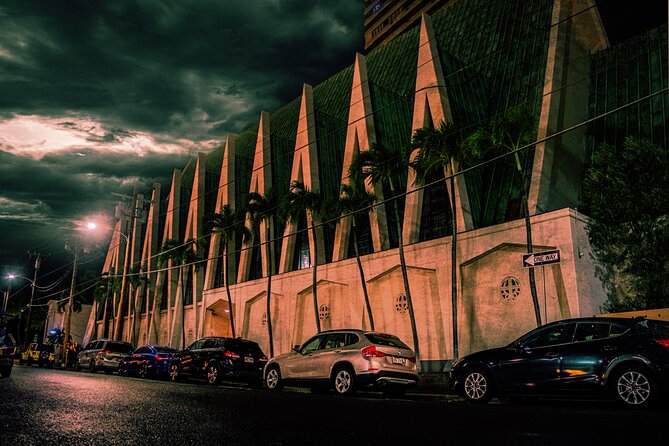
Your next landmark is St. Augustine by the Sea, known for its neo-Gothic design. This stop is partly architecture and partly storytelling, which helps if you like your ghost tours to include real-world details you can see.
Your guide shares spooky stories and fun facts here. The atmosphere comes from the combination of the building’s look and the guide’s pacing. If you have ever walked past older churches and wondered how people used them to gather and cope, this stop gives you that lens in a Halloween-friendly wrapper.
If you are hoping for a high scare moment, this is one of the stops where your mood can tip either direction. Some guides tell these stories with enough confidence that you feel the hair-raising effect. Other people treat it as entertaining folklore, and still enjoy it that way.
Either reaction is valid. The tour’s value is not that you must be terrified. It is that you learn how different parts of Waikiki hold meaning, even when that meaning comes from stories people still whisper.
Stop 5: Kāhi Hāli’a Aloha Memorial, Burial Ground Respect and Unease
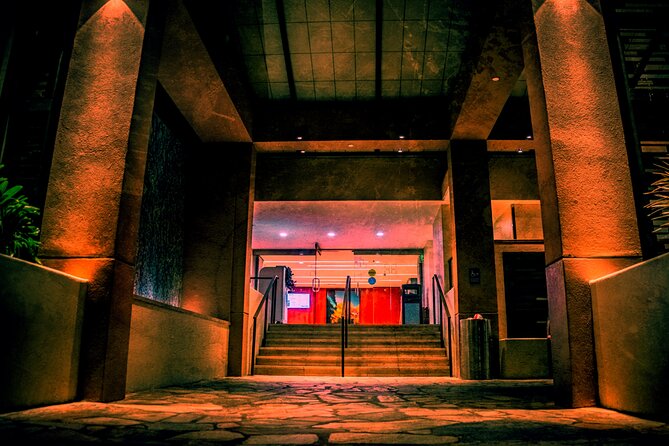
The final stop is the Kāhi Hāli’a Aloha Memorial. This is the one with the most solemn undertone, and it is important you treat it that way.
As Waikiki developed and buildings went up, human remains were excavated from different sites in the area. This burial mound was created to give uncovered remains a respectful and proper burial. Your guide explains that it is considered an active site for paranormal activity, and you get a few more stories before the tour ends.
This stop is where the tour becomes more than entertainment. The guided tone is typically respectful because you are dealing with real human history and cultural memory. If you want a ghost tour that includes ethics and context, this ending is likely to sit with you longer than the more playful stops.
It is also why I think you should choose your mindset before you arrive. If you go in expecting only jump scares, you might miss the point. If you go in curious, this stop can feel powerful in a quiet way.
The Guides Matter, and You Can Feel the Difference
The tour provider is Honolulu Haunts By Us Ghost Adventures, and the guide quality is a big part of the experience. Some of the strongest feedback centers on guides like Jax and Terry, with praise focused on friendly conversation and story delivery that actually keeps you engaged.
What you should look for during the tour is pacing plus clarity. A good guide does not just recite spooky lines. They connect the story to the place in front of you, then make it easy to follow where you are going next. The best guides also invite questions and answer them without making you feel rushed.
If you happen to get Jax, expect an upbeat style and stories that blend history with spooky fun. If you get Terry, you might notice a strong focus on Hawaiian history plus multiple spooky stories along the walk, including during time spent near Kalākaua Ave.
So yes, the guide affects the experience. This is not the kind of tour where the content is automatic. Your night can be excellent or merely average depending on how the guide tells the story.
Practical Tips for a Better Torchlight Walk
You will be on foot for about an hour at night. That sounds easy, but Waikiki sidewalks can be uneven and the evening temperature can shift, especially if you’ve been out in the sun all day.
A few tips that make the tour easier:
- Wear shoes you can walk in comfortably, since you’re moving between five landmarks.
- Keep your phone charged enough for your mobile ticket, since the tour uses a digital format.
- Arrive a few minutes early so you are not stressed at the meeting point.
- If you want a stronger spook factor, ask your guide if they have a particular type of story you like, then engage them with questions.
Also, plan around tipping. A guide tip is not included, so if you enjoy the storytelling, budget for it. It is a small cost that often makes the difference between feeling like a passive spectator and feeling like you participated.
Finally, a small caution. On at least one past tour, someone had trouble locating the guide at the scheduled start time. To avoid that kind of stress, make sure you have the exact meeting location in your maps app and check that your arrival time matches the 8:00 pm start.
Who This Tour Is Best For
This ghost tour is a good fit if you want a night activity that mixes entertainment with local context. It is especially strong for you if you:
- Like learning Hawaiian history through stories tied to real locations
- Prefer guided walking tours over sitting in one place
- Want a smaller group experience where you can ask questions
- Like spooky lore that stays respectful, not mean-spirited
If you hate walking, or you need a mostly indoor experience, you might prefer something else. And if you are expecting deep isolation and maximum supernatural action, this is more city ghost lore than remote terror.
That said, many people come to Waikiki knowing the big daytime sights, then feel the need for a different angle at night. This tour gives you that second angle without needing a rental car or complicated plans.
Should You Book Waikiki Ghost Tour: Torches and Terrors?
I think you should book it if you want a guided night walk that blends Hawaiian history with ghost stories tied to named landmarks. At $32 for about an hour, it is a solid value when you take it as an experience that is built on a good guide, a friendly group pace, and meaningful places.
Skip it if you only want a high-scare, isolated, jump-scare show. This is still Waikiki at night, and the experience is more about storytelling and place-based lore than about hiding in darkness.
If you can, go with the mindset of asking questions and listening closely. When you do, the tour feels less like chasing scares and more like getting a genuinely different view of Waikiki after the daytime crowd leaves.
More Tours in Oahu


More Tour Reviews in Oahu
Not for you? Here's more nearby things to do in Oahu we have reviewed












Waikiki & Diamond Head Tours, compared.
 ★ 5.0Parasailing Experience in Waikiki, HIFrom $447,692 reviews
 ★ 4.5Waikiki Trolley Hop-On Hop-Off Tour of HonoluluFrom $224,783 reviews
 ★ 5.0Waikiki, Hawaii: Turtle Canyon Snorkel ExcursionFrom $794,656 reviews
 ★ 5.0Waikiki Trolley Blue Line Coastline & Local Grindz Hop-on Hop-offFrom $354,159 reviews
 ★ 5.0Turtle Canyon Snorkel Adventure in Waikiki, OahuFrom $853,197 reviews
 ★ 5.0The Magical Mystery Show! at Hilton Waikiki Beach HotelFrom $992,754 reviews
 ★ 5.0Oahu Grand Circle Island Experience from WaikikiFrom $992,317 reviews
 ★ 5.0Oahu’s Waikiki Coast: Moana’s Sunset Cocktail SailFrom $892,205 reviews
Browse the lists this tour appears in