
REVIEW · WAIKIKI & DIAMOND HEAD TOURS
The East Waikiki Walking Tour
Waikiki has a hidden war pool. This East Waikiki walking tour strings together big stories, from world war remnants to surfing origins, with a strong focus on Hawaiian nature and how Waikiki’s industry affects island life.
I love the small group feel, capped at just four people, because it makes the walk feel like a conversation instead of a cattle line. I also like that you get local snacks, including free mochi ice cream partway through, while the guide keeps your attention on what you’re actually seeing.
One consideration: this tour depends on good weather, and it still involves walking with a moderate fitness level. Also, the published reviews include a rare no-show complaint, so double-check your confirmation and arrive a few minutes early.
Quick highlights
- A $14 tour with free admission at each named stop, so you are not paying extra to get in
- Mobile ticket and a start right by the Public Art Surfer on a Wave
- Outrigger vs Hui Nalu surf club history explained at Kaimana Beach
- Kapiolani Park break with locally made ice cream, plus a mid-tour mochi ice cream snack
- Zoo perimeter animal stories instead of just passing it by
- Diamond Head (Le’ahi) geology at walking pace, tying the island’s shape to real rocks
A $14 Waikiki Walk That Mixes War, Surf, and Volcanos
This is one of those tours where the cost feels almost suspiciously low. You pay $14 for about two hours, and the guide spends the time connecting the dots between nature, culture, and the human impact of tourism and development in Waikiki.
What makes it interesting is the mix. You are looking at war-era remnants at Waikiki War Memorial Natatorium, then you are at Kaimana Beach for surfing history, then you shift to parks and animal stories, and you end with the geological story behind Diamond Head (Le’ahi). If you like travel that gives you context, this format works.
Just as important, the guide brings a sustainability lens. Expect talk about how industries in Waikiki affect local life, plus practical ideas for how to be a more thoughtful visitor. That does not require you to be perfect. It just gives you a better set of questions to carry with you.
You can also read our reviews of more walking tours in Oahu

Starting at Surfer on a Wave: The Small-Group Advantage
You meet at Public Art Surfer on a Wave at the corner of Kalakaua Ave and Monsarrat Ave. Starting at 9:00 am helps because Waikiki is usually easier to read in the morning, and you can get your bearings fast before the day gets hot.
The tour caps at 4 travelers, which changes the vibe. You can ask follow-ups. You can slow down when something catches your eye. And because the route is mostly walking, you spend your attention where it belongs, on the places and details the guide points out.
The tour is also close to public transportation, which is handy if you are staying somewhere that makes bus or rideshare simple. Service animals are allowed too, so you can plan without that extra worry.
Stop 1: Waikiki War Memorial Natatorium and the World War Story in Concrete
The tour’s first stop is Waikiki War Memorial Natatorium. Right away, you are in a place that looks like an Olympic-sized pool, but it carries a different kind of meaning. You learn about Hawai‘i’s history in the world wars and you get to observe an abandoned war memorial.
This stop is worth your attention because it breaks the usual Waikiki script. Most people come here for beaches and shopping. This is the reminder that islands are shaped by global events, not just ocean weather and surf boards.
Practical note: this is a short stop, about 15 minutes, so it is not a sit-and-read museum experience. You will get guided context and then you move on. That is a good thing if you like momentum, but it also means you will want to pay close attention the first time the guide explains the significance of what you are looking at.
Stop 2: Kaimana Beach, First Surf Schools, and the Outrigger vs Hui Nalu Tension
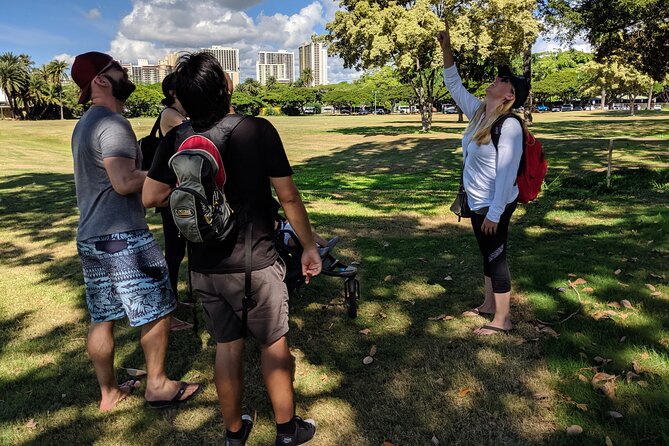
Next up is Kaimana Beach, and this stop is where the tour turns from war-era history to the human story of surfing. You learn basic surfing history at the site connected to the first surf schools.
Then you get something more specific and more interesting: the guide discusses the conflict between Outrigger and Hui Nalu, two of the original surf clubs, and how that shaped the image of surfing and Hawai‘i abroad. In other words, you are not just learning when people first tried to surf. You are learning how organizations and reputation-building influenced what outsiders thought they were seeing.
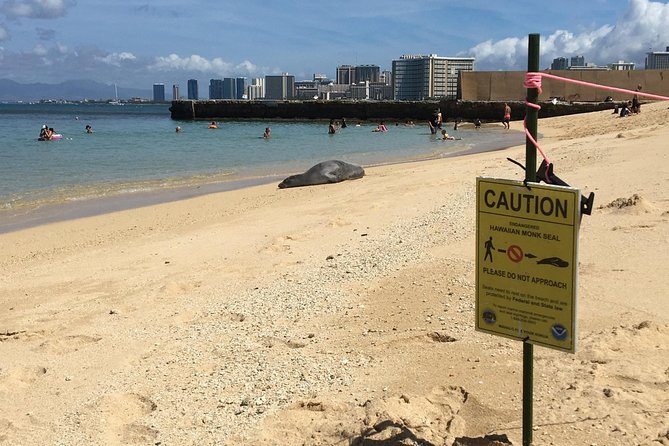
There is also a nature angle here. Kaimana Beach is one of the places where a rare Native Hawaiian monk seal may haul out. You do not get a guarantee, but the guide frames why this matters and what it means to share space with wildlife that still survives alongside people.
If you want a tip, bring your curiosity, not your expectations. I love that this stop encourages looking closely without pretending you can control wildlife.
Stop 3: Kapiolani Park Ice Cream and a Breather in the Middle
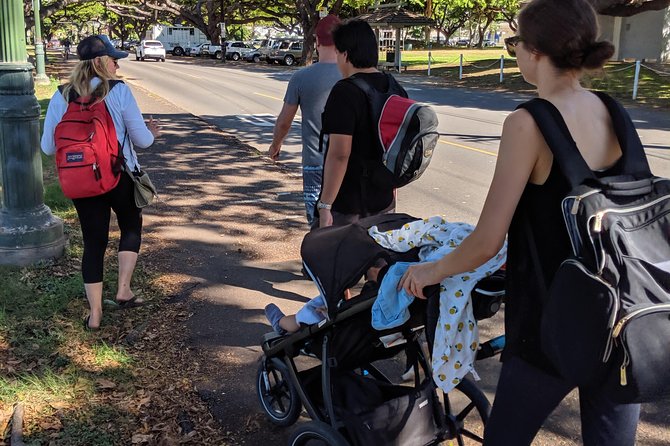
Kapiolani Park is your photo pause and your sweet break. The tour gives you time to enjoy locally made ice cream and reset your legs.
This park stop also works well with the pacing of the day. You have already covered two very story-heavy locations, and by now you are ready for something lighter. You get a little breathing room, and you get something local to taste, which makes the walk feel like a true experience instead of just a sightseeing checklist.
Around 45 minutes into the tour, snacks kick in, including free local mochi ice cream during the break. So if you arrive hungry, you are in luck. If you do not, you might still crave it once you smell the sugar and coconut energy that Waikiki somehow puts into the air.





Zoo Perimeter Stories: Learning to Look Closely at Animals
After the park, the tour circles the zoo and shares stories about some of the animals that have called the place home over the years.
This is a smart choice for a walking tour. You do not have time for a full zoo visit, but you can still learn how to notice animal behavior and understand that zoo history is part of the bigger conversation about conservation, habitats, and how people have treated wildlife.
What I appreciate here is the tone. It is not just, look at the animal. It is, notice what you can see, then connect that to why the animal’s life in human spaces matters. The guide has expertise in Hawaiian flora and fauna, and that shows in how they frame animal stories in relation to the islands’ ecosystems.
One consideration: the zoo perimeter portion is still a walk. If you expect lots of stopping inside the zoo grounds, this is not that kind of tour. It is more about guided interpretation while you move along.
Diamond Head (Le’ahi) at Walking Pace: The Volcanic Cone Explained
The finale is a walk along the base of Diamond Head (Le’ahi) State Park, and the guide uses the chance to explain the geological history of the island and how this iconic volcanic cone formed.
This is one of those “you can’t really fake it” moments. Diamond Head is visually dramatic, but it also has a feel. When someone connects the scenery to how the island was shaped, it turns a landmark into a lesson you carry home.
The pace here matters. Since the tour is only about two hours total, the goal is not to hike up the crater. It is to walk at street level, take in the scale, and get the big geological story. If you are the type who likes short but solid explanations, this ending lands well.
Also, you end back at the meeting point. That gives you a clean loop and removes the stress of figuring out a finish plan.
The Sustainability Angle in Waikiki: How to Use What You Learn
Here is the part I think gives this tour real value beyond the sights. The sustainability lens is not tacked on at the end. The guide ties it to what you see: industry impacts in Waikiki, local social issues, and how to think about your role as a visitor.
You might not agree with every viewpoint, and that is fine. What matters is that you leave with better mental hooks. Instead of seeing Waikiki as a postcard, you start seeing it as a working place with trade-offs, including wildlife pressure, land use changes, and the way global travel reshapes local life.
The guide also covers geological and human history throughout the Pacific, not just Hawai‘i alone. That broader framing helps you understand that Waikiki is not isolated. It is part of a larger region shaped by migration, navigation, colonial impacts, and cultural exchange.
And because the guides are described as advanced degree experts in Hawaiian flora, fauna, and history, you are more likely to get careful, specific information than a generic script. You may not catch every detail, but you will catch the intent: look closer, ask smarter questions, and choose better behavior when you can.
What to Bring, What to Expect, and Who This Suits Best
This is an outdoor walking tour, so basic planning helps a lot.
Bring:
- Comfortable walking shoes for steady pavement and park paths
- Sun protection, because it is Waikiki and mornings do not mean shade all day
- A reusable water bottle if you have one
Water situation:
- Bottled water is not provided.
- If you forgot your own, the tour mentions sterilized hydroflasks with cold water for your use during the tour.
Snacks:
- You get free local mochi ice cream during a break around 45 minutes into the tour.
- Ice cream is part of the Kapiolani Park stop.
Fitness:
- Expect a moderate walking level. You should feel comfortable walking for the full route length without needing long breaks.
Group style:
- Maximum of four people. If you like personal pacing and questions, this is a plus. If you hate small group dynamics, you may want a tour with more anonymity.
Weather:
- The experience requires good weather, and if it is canceled due to poor weather, you are offered a different date or a full refund.
One last practical thought: because the meeting point is right by a public art piece, it is easy to orient yourself. Still, give yourself a few minutes. With only a small group, missed timing becomes a bigger deal than it would on a huge bus tour.
Should You Book This East Waikiki Walking Tour?
If you want Waikiki history without a stuffy museum plan, I think you will like this. The tour is short, focused, and varied: war-era remnants, surf culture, park time with real local food, zoo perimeter animal stories, and an ending that ties the whole place to volcanic geology. For $14, that mix is strong value.
Book it if:
- You like guided context that connects nature, culture, and history
- You prefer a small group walk where you can ask questions
- You want a morning plan that ends where it starts
Maybe pass if:
- You hate walking and want a mostly seated experience
- You need guaranteed schedules in uncertain weather, since the tour depends on good conditions
- You are very sensitive to the risk of a no-show, since at least one published review reports that situation
My bottom line: this is a smart way to spend a couple hours in East Waikiki when you want your sightseeing to have meaning. If your goal is to learn how to see Waikiki differently, this tour gives you a fresh lens fast.
FAQ
How long is the East Waikiki Walking Tour?
It runs for about 2 hours.
What does the tour cost?
The price is $14.
Is there an admission fee at the stops?
The stops listed in the tour information include admission tickets that are free for those specific locations.
What is included in the tour?
Snacks are included, including free local mochi ice cream during a break around 45 minutes into the tour.
Is bottled water provided?
Bottled water is not provided. If you forget your own, the tour mentions sterilized hydroflasks with cold water for your use during the tour.
Where do I meet the guide?
You meet at the Public Art Surfer on a Wave at Kalakaua Ave + Opp, Monsarrat Ave, Honolulu, HI 96815, USA.
What time does the tour start?
The start time is 9:00 am.
What happens if the tour is canceled due to weather?
The tour requires good weather. If it is canceled due to poor weather, you are offered a different date or a full refund.
How many people are in the group?
The tour has a maximum of 4 travelers.
More Walking Tours in Oahu



More Tours in Oahu



More Tour Reviews in Oahu
Not for you? Here's more nearby things to do in Oahu we have reviewed






Waikiki & Diamond Head Tours, compared.
 ★ 5.0Parasailing Experience in Waikiki, HIFrom $447,692 reviews
 ★ 4.5Waikiki Trolley Hop-On Hop-Off Tour of HonoluluFrom $224,783 reviews
 ★ 5.0Waikiki, Hawaii: Turtle Canyon Snorkel ExcursionFrom $794,656 reviews
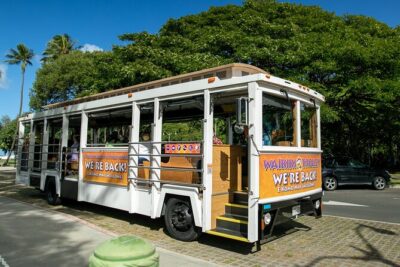 ★ 5.0Waikiki Trolley Blue Line Coastline & Local Grindz Hop-on Hop-offFrom $354,159 reviews
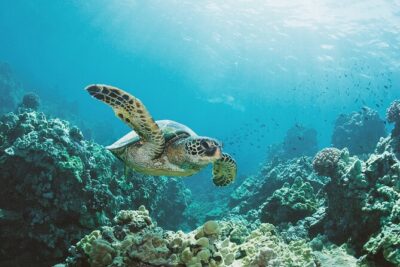 ★ 5.0Turtle Canyon Snorkel Adventure in Waikiki, OahuFrom $853,197 reviews
 ★ 5.0The Magical Mystery Show! at Hilton Waikiki Beach HotelFrom $992,754 reviews
 ★ 5.0Oahu Grand Circle Island Experience from WaikikiFrom $992,317 reviews
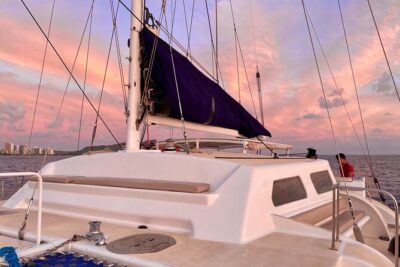 ★ 5.0Oahu’s Waikiki Coast: Moana’s Sunset Cocktail SailFrom $892,205 reviews
Browse the lists this tour appears in