
REVIEW · OAHU SURF LESSONS
Oahu: Surf Lesson
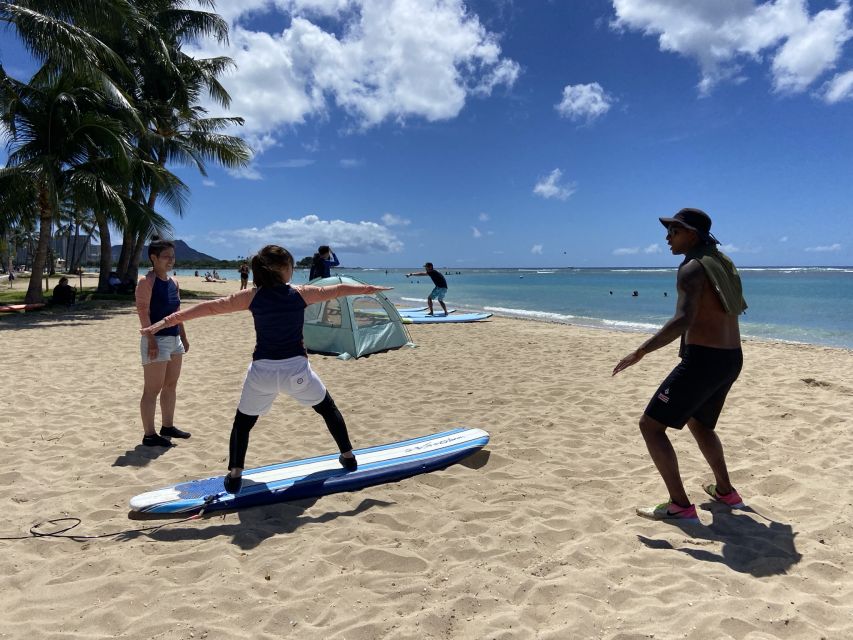
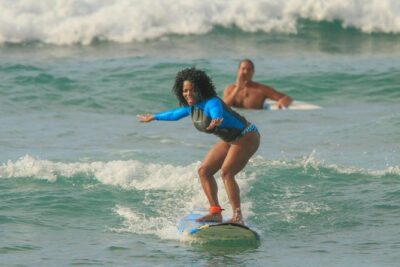
First time on a surfboard, worth it. This Oahu lesson is built for beginners and people who want clear instruction fast, with a small 2 student to 1 instructor setup. I like that it happens without the Waikiki crowd, so you get Hawaii surf energy without the chaos.
Two other things stand out for me. You get a real beach review before you paddle out, and the session focuses on the basics that actually matter: paddling, standing, and ocean safety. One drawback to keep in mind, it runs rain or shine, so you should be ready for wet conditions and changeable water.
Key Things I’d Focus On Before You Go
- Small group, up to 5 people: more attention, less waiting around
- 2-to-1 instructor support: quicker feedback when your stance or paddling feels off
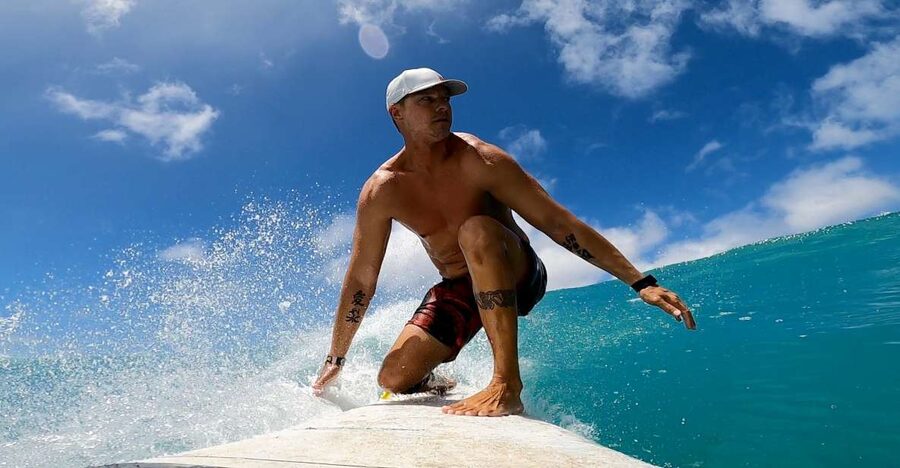
- GoPro cameras included: you leave with video you can actually use to see what improved
- One full hour in the water: not just theory, you get time to try
- Beginner technique emphasis: paddling position, foot placement, balance, and safety
- Ala Moana North End meeting spot: a straightforward start point near volleyball courts and showers
Why This Oahu Surf Lesson Starts at Ala Moana, Not Waikiki
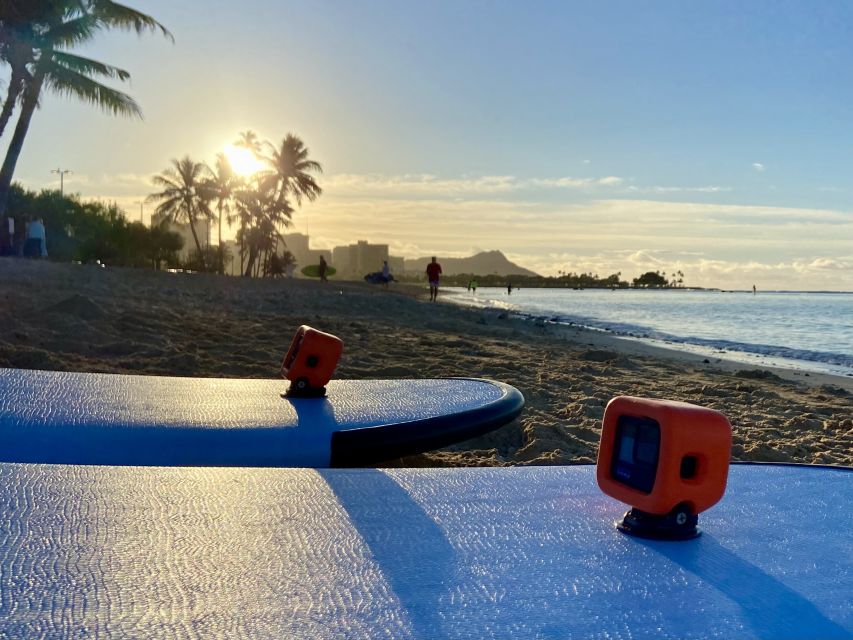
The meeting point is at the north end of Ala Moana beach park, near the volleyball courts and showers. That matters because it keeps things practical. You can meet, get geared up, and get moving without long transfers or a complicated start.
I also like the vibe here. The experience is marketed as surfing in Hawaii without the Waikiki crowd, and the location choice supports that. If you’ve ever tried to learn anything in a crowded, noisy beach scene, you know why that’s a big deal. Surf is hard enough when you are thinking about paddling and balance, you do not need extra distractions.
More Oahu tours and island experiences worth comparing



The 90-Minute Flow, Beach Review to One Hour on the Waves
This lesson runs for 90 minutes total, and the structure is simple. You start with a beach review, then you head out for an hour of actual surfing time, then wrap up. That rhythm is beginner-friendly, because you learn the basics first while your brain is still fresh, not after you’re already soaked and cold.
Here is what you can expect at each stage:
- Beach review first: you go over surfing basics and get the plan for what happens in the water. This is where you learn how to position yourself before you ever chase a wave.
- Technique work, then water time: you apply what you learned to paddling and standing. The goal is to give you repeatable steps, not random instruction.
- Surfing for one hour: you get a focused block of wave riding time to practice what you practiced on shore.
The biggest advantage of this timing is that it balances teaching with doing. If you only spend a short time in the water, beginners often feel like they never got a fair attempt. Here, the one-hour surfing block gives you enough attempts to start getting the pattern.
The Coaching Setup That Helps Beginners Progress
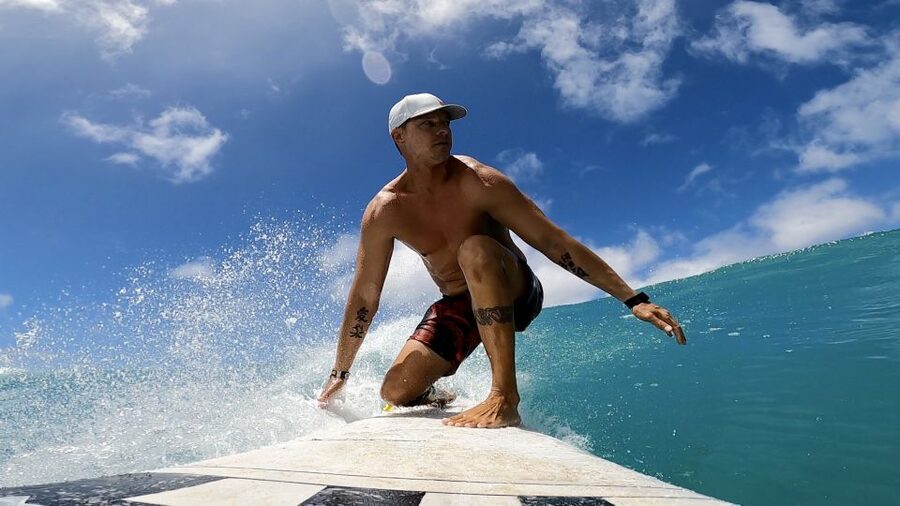
The standout coaching detail is the 2 student to 1 instructor ratio in a small group capped at 5 participants. With surf lessons, the difference between success and frustration often comes down to feedback timing. When the instructor can watch you closely, you correct sooner, and you keep trying instead of guessing.
Instructors can speak Japanese, Korean, and English, which is great if language comfort affects your confidence. One review specifically praised John for being very knowledgeable and making learning feel smooth. Even if you are English-speaking, having an instructor who can switch styles and pace based on the group is a real value.
What you learn is practical, not vague:
- Paddling technique: how to paddle efficiently and get into position
- Standing up mechanics: foot placement and balance once you catch a wave
- Water safety: how to handle waves and respect the ocean while you’re in the surf
That “safety plus technique” combo is key. Beginners often focus only on standing, but efficient paddling and basic ocean awareness decide whether you even get a shot at standing.
GoPro Cameras Included, So Your Learning Has Proof
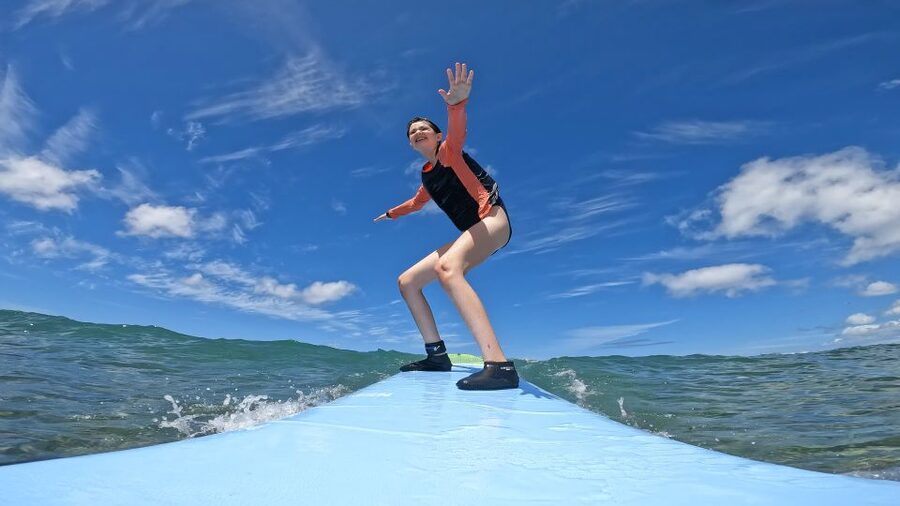
This experience includes GoPro cameras and claims to capture every moment. The gear is part of the price, not an add-on, and that changes how you experience the lesson. When video is handled for you, you can focus on waves instead of constantly trying to film yourself.
In the feedback, the GoPro footage shows up as a major highlight. One review calls out that the GoPro footage topped off the experience, and another loved getting the video memories. That makes sense. Surf progress is hard to notice in real time, because you are balancing, paddling, and reacting quickly. Having video gives you something you can look back on later and understand what went well, or what to work on next time.
What “Surf in One Hour” Really Means for First-Timers
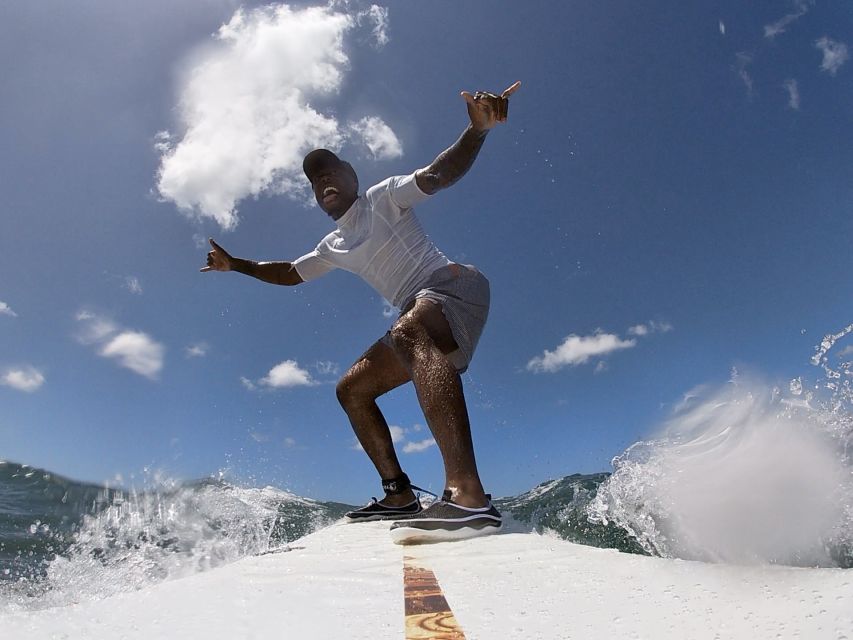
If you are new, “surfing for one hour” can sound short or long depending on your expectations. The important detail is that you are practicing the basics, not trying to become a pro by the end. You’re learning paddling, then catching waves, then standing with balance and foot placement.
The ocean will still be the ocean. Wave timing, currents, and wind can change your ride opportunities. But the structure is designed to keep you in the action as much as possible. Instead of spending most of the time walking, waiting, or watching, you get repeated tries.
Also, there’s a mental benefit to a defined time block. You can commit to trying for an hour and stay patient, rather than worrying you missed your one shot. That is especially helpful if your first wave experience is shaky.






Safety Training That Helps You Respect the Ocean
Surfing is fun, but it is not a casual swimming activity. This lesson includes water safety instruction so you understand how to navigate waves and how to respect the ocean while you learn.
You’ll get safety guidance before you spend time riding. That matters because safety isn’t only about avoiding danger, it is also about knowing where to move and when. When you understand the “why” behind the rules, it’s easier to follow them calmly.
If you’re nervous in the water, this kind of coaching can be the difference between enjoying the challenge and freezing up. Beginner-friendly safety talk gives you a script for what to do, and a reason to trust your instructor’s calls.
Gear You Actually Need: Boards, Leashes, Rashguards, Reef Shoes
The lesson includes the surfboards, leashes, rashguards, and reef shoes, plus the GoPro cameras. That’s a lot of gear handled for you, and that’s where you get value. Surf gear is bulky, easy to forget, and often expensive to rent or buy piecemeal.
Here’s why those items matter for comfort and safety:
- Leash: helps keep your board connected while you learn
- Rashguard: adds a layer of comfort on the water
- Reef shoes: protect your feet when you are dealing with shore conditions
- Board: beginner-suitable equipment that helps you focus on technique
One practical note for you: reef shoes only help if they fit correctly, so use the time you’re given to adjust your gear. If anything feels off, flag it early instead of waiting until you’re already in the water.
Languages and Communication: Japanese, Korean, English
This lesson lists instructors who can speak Japanese, Korean, and English. That broad coverage is useful because surf terms and safety instructions need clarity. If you struggle to understand quick commands during wave chaos, you lose confidence fast.
Even if you are fluent in English, you’ll still benefit from simple, hands-on instruction. Surf teaching is often visual. But language still matters for safety, and for understanding how to position your body.
Who Should Book, and Who Should Skip This Lesson
This is a beginner surf experience, but it is not for everyone. It is not suitable for:
- children under 10
- pregnant women
- people with mobility impairments
- non-swimmers
- people prone to seasickness
- people over 230 lbs (104 kg)
- people with low level of fitness
For your decision, think honestly about two things: swimming comfort and physical readiness. Surf relies on paddling and balance, and even beginner lessons can involve getting in and out of the water repeatedly. If you are not confident swimming, do not treat this as a “try it anyway” situation. Choose a safer alternative that matches your comfort level.
Also consider the “seasickness prone” note. Surf zones can involve body motion, and you should follow that guidance strictly.
Price and Value at $125 for 90 Minutes
At $125 per person for 90 minutes, the pricing is easiest to judge by what you get included. You’re not just paying for an instructor. You also get boards, leashes, rashguards, reef shoes, and GoPro cameras.
That bundled setup improves the value equation in three ways:
- You avoid extra rental or purchase costs for gear you need on the day
- You get coaching in a small setting, up to 5 participants
- You leave with video memories, which turns the lesson into something you can revisit
If you are visiting Oahu and want a single, high-impact activity that feels truly local, a surf lesson can be one of the best “time-to-meaning” choices. This one focuses on first-timer technique and safety, and the included GoPro adds a souvenir you can share without needing to film one-handed on the sand.
Rain or Shine: How to Stay Comfortable When Conditions Change
This activity runs rain or shine. That means you should plan for wet conditions and keep your expectations flexible about water look and feel.
For practical comfort, do what you can to show up ready:
- Bring a change of clothes for after
- Expect the rashguard and reef shoes to feel different once everything gets wet
- Stay warm after the session, because even in Hawaii you can cool down fast in sea air
The best mindset is simple: treat weather as part of the real Oahu experience. If you are open to it, you’ll enjoy the process more.
Should You Book This Oahu Surf Lesson?
I think you should book if you want beginner coaching that is structured, small, and safety-forward. The 2-to-1 ratio, the focused beach review, and the included GoPro cameras make it feel like a complete package instead of a quick intro.
You should think twice if you do not swim confidently, you are dealing with mobility limits, or you’re prone to seasickness. And if you’re looking for a long sightseeing day or a relaxed, passive activity, this is not that. It is hands-on surfing, with real time in the water.
If you match the right profile, this lesson is a strong way to experience Oahu surf culture while skipping the worst of the Waikiki crowd energy.
FAQ
Where is the meeting point for the Oahu surf lesson?
You meet at the north end of Ala Moana beach park, by the volleyball courts and showers.
How long is the surfing lesson?
The experience lasts 90 minutes.
Is the lesson offered in a small group?
Yes. It is limited to a small group of up to 5 participants, with a 2 student to 1 instructor ratio.
What gear is included?
Surfboards, leashes, rashguards, reef shoes, and GoPro cameras are included.
What languages do the instructors speak?
Instructors speak Japanese, Korean, and English.
Is it canceled if it rains?
No. This tour runs rain or shine.
More Workshops & Classes in Honolulu



More Tour Reviews in Honolulu
Not for you? Here's more nearby things to do in Honolulu we have reviewed












Oahu Surf Lessons, compared.
 ★ 4.5Open Group Surfing Lesson in Waikiki, HawaiiFrom $112582 reviews
 ★ 4.9Beginner-Friendly Waikiki Beach Surfing LessonFrom $125425 reviews
 ★ 5.0Waikiki Private Group Surf LessonFrom $123298 reviews
 ★ 4.9Waikiki 2-Hour Beginner Group Surf LessonFrom $103191 reviews
 ★ 5.0Surf Lesson Without the Crowds Including GoPRO VideosFrom $125167 reviews
 ★ 4.5North Shore Beginner Surf Lesson, HawaiiFrom $104114 reviews
 ★ 5.0Oahu Private Surfing LessonFrom $226113 reviews
 ★ 5.0Private Surf Lesson at Waikiki BeachFrom $179107 reviews
Browse the lists this tour appears in