
REVIEW · OAHU NORTH SHORE & HALEIWA TOURS
North Shore Beginner Surf Lesson, Hawaii
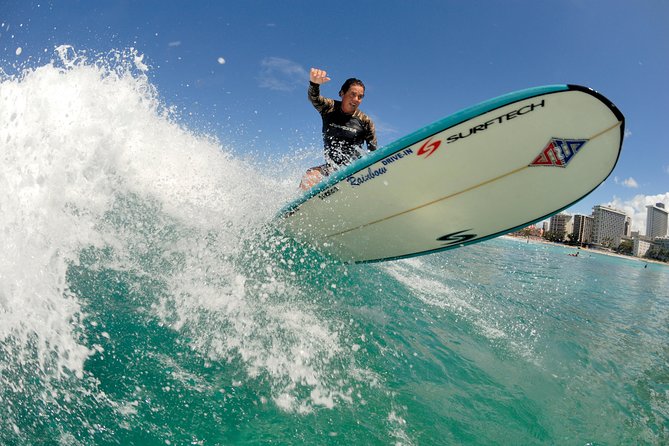
First waves feel intimidating. On Oahu’s North Shore, this Surf N Sea lesson gives you 2-hour coaching that mixes land practice with real time in the water, plus all gear provided. You learn the basics the right way: ocean etiquette, falling safely, and how to go from lying down to standing up.
The main catch is simple: you must be comfortable swimming, and you’re responsible for getting yourself to the meeting spot and driving between areas. There’s no transportation provided, so plan your timing around traffic and parking.
Key Things I’d Bet On (Before You Go)
- Max 4 travelers, so you get real attention instead of fading into a big crowd.
- Waialua Bay first, then Haleiwa gives you two water practice moments in the North Shore vibe.
- Land instruction is built in: rules, technique, falling safely, and ocean etiquette before the surf.
- Surfboard and equipment are included, so you can show up light and focused.
- Morning or afternoon options help you match the surf day to your Oahu schedule.
- Instructors you might get include Henry, Travis, Eric, Tanner, and Mark, with a common theme of patient, practical coaching. One helper named Terrance often supports people who get tired paddling.
Why Learn Surfing on Oahu’s North Shore
The North Shore is basically the audition stage for surfing. Even as a total beginner, you get that real, iconic setting, without needing years of experience.
More important than the scenery is what the area teaches you fast. Instructors emphasize ocean etiquette and surf rules first, then they help you translate that into actions on the board. That order matters because surfing is as much about reading the water as it is about balance.
And yes, you might get lucky with wildlife. In one group, an instructor spotted a whale while they were out, which is a reminder that the ocean is alive, not just a backdrop.
More Oahu tours and island experiences worth comparing

Price and What You Actually Get for $104
At $104 per person for about two hours, the big value driver is that you don’t have to rent or source gear. The lesson includes the surfboard and the equipment you need, so your cost stays predictable.
A second value driver is the small group size, capped at 4 travelers. That usually means more direct guidance and more chances to correct mistakes while you’re still in learning mode.
Here’s what you should mentally budget for beyond the ticket: you’ll need to drive yourself, and you’ll want swim-ready clothes (wet shirt if you’re prone to getting chilly). The lesson is built to get you standing and riding a few waves, but it’s still physical work in real ocean conditions.
Getting There and the No-Transportation Reality
Your meeting point is at 62-595 Kamehameha Hwy, Haleiwa, HI 96712, and the activity ends back there.
Important: no transportation is provided. You’ll drive from Surf N Sea to the surf spot location, so leave time for traffic. Haleiwa can get slower than you’d expect, especially around busy surf and beach hours.
If you’re traveling as a family or with teens, I’d treat this like a half-day activity that requires a little buffer, even though the lesson itself is about two hours. The more smoothly your car situation works, the more energy you have for the water.
What Your 2-Hour Lesson Really Looks Like
This lesson is structured to help brand-new surfers get traction quickly. You start with an on-land introduction, then you head out to practice the parts that matter most.
On land, you’ll cover:
- how to fall safely
- ocean etiquette and surf rules
- how to move from lying to standing in the easiest way possible
Then you switch to the water with coaching that focuses on execution, not lectures. You practice paddling, catching waves, and where to focus so your first attempts are more likely to succeed.
The goal is not perfection. The goal is confidence. Instructors aim to give you enough information to handle a variety of situations, even after the lesson ends and you’re on your own.
Waialua Bay and Haleiwa: Two North Shore Stops
You’ll train at Waialua Bay and then move to Haleiwa. That two-stop rhythm matters for beginners because it helps you learn in phases, instead of doing everything in one exhausting burst.
- Waialua Bay is where your lesson begins, and it’s your first chance to translate the land instructions into real surf time.
- Haleiwa is your second water stop, giving you another learning window while you’re still fresh enough to apply what you picked up earlier.
What’s the main drawback to know? You’re driving between spots, and the North Shore surf conditions can change. Your lesson is designed for beginners, but the ocean still does what the ocean wants.
If conditions aren’t ideal, the instruction matters even more. Several people noted that the team still made the experience fun and useful, even when the surf wasn’t perfect that day.




How Safety and Etiquette Get Taught (Not Just Mentioned)
A good beginner lesson doesn’t just teach you to stand up. It teaches you how not to turn the ocean into chaos.
Expect instruction on:
- ocean etiquette before you paddle out
- falling safely so you don’t panic when the board shifts
- where to focus for timing when waves come in
Safety is handled with a mix of rules and hands-on guidance. One strong theme from people who went is that instructors stayed mindful of safety while still pushing for progress, and they worked patiently through common beginner problems like paddling technique and wave timing.
Another helpful detail is that you’ll learn how to catch waves, including what beginner surfers should look for in board choice and surf spots. That part is key, because beginners often go wrong by trying to use the wrong wave or the wrong gear.
Getting Up on the Board: The Technique Focus
For most first-timers, the biggest leap is not balance. It’s the sequence.
This lesson emphasizes moving quickly from laying to standing using the easiest method possible. In practice, that means you spend time repeating the body positions that work best for your skill level, then you apply it when a wave gives you a chance.
If you’re hoping to ride even a few waves on day one, this is the right kind of coaching. Many people described getting up repeatedly, even as complete beginners.
Also, instructors help you choose waves you can handle. That matters because beginners don’t need the biggest waves, they need the right ones. You’re more likely to succeed, and you’ll build the habit of making smart choices.
Equipment: What You Don’t Have to Worry About
Good beginner lessons remove friction. Here, you get:
- surfboard
- all the equipment you would need
That’s a relief if you’re flying in and trying to keep luggage minimal. It also helps because the board is part of the lesson. Beginners usually need a board that gives stability and helps you get into waves without fighting the board.
One extra practical note from real life: people suggested wearing a wet shirt since the surfboards are foam. That’s not about comfort only, it can help you avoid irritation while you’re learning paddling and falling techniques.
Who This Surf Lesson Suits Best
This is for swimmers. You must be able to swim, and it’s not recommended for travelers with back or knee problems or for anyone who’s had recent surgeries.
It also needs moderate physical fitness. That doesn’t mean you must be athletic, but you should be ready for paddling, getting up, and spending time in ocean conditions.
Age rules are a big deal here:
- Group surf lessons are for children 13 and above.
- If your child is under 13, they require a private lesson instead.
If you’re traveling with younger kids, double-check that you’re booking the right format so everyone gets an appropriate experience.
One more plus: service animals are allowed, which is good to know if you travel with a working animal.
Instructor Style You’ll Hope For (And Often Get)
One of the strongest reasons people recommend this lesson is the teaching approach. Names that came up include Travis, Henry, Eric, Tanner, Mark, and a support presence from Terrance in the water.
Across these examples, the common threads are:
- clear, straightforward instruction
- patience when you fall or don’t get up right away
- encouragement that keeps you trying instead of shutting down
There’s also a theme of instructors spotting waves and helping you paddle out and position correctly. Even if you’re nervous, that support can turn the lesson from overwhelming into manageable.
Not every day is the same, and some people noted that conditions weren’t ideal. The lesson still worked for them because the coaching stayed focused on what they could do in the moment, not on what the ocean refused to deliver.
Tips for Your Best Shot at Standing Up
If you want the lesson to pay off fast, do your part before you even hit the water.
- Go in already knowing you will fall. That mindset reduces stress, and it makes the safety lessons click.
- Pay attention during the land coaching on etiquette and falling. It speeds up your learning once you’re wet.
- Dress for the ocean, not for photos. People recommended a wet shirt for comfort, especially since the boards are foam and you’ll be contacting the board often.
- If you feel tired, that’s normal. The team helps beginners who struggle with paddling back out.
- Take the small group seriously. You’ll learn more if you listen, then try right away instead of overthinking it.
Also, if you’re planning your trip, note that this kind of North Shore activity gets booked ahead. On average, it’s reserved about 17 days in advance, so booking sooner is smart if your dates are fixed.
Should You Book This Beginner Surf Lesson on Oahu?
I’d book it if you fit the basics: you can swim, you’re okay with ocean work, and you want a structured first experience without renting gear or guessing where to start.
This lesson is especially worth it if:
- you want a small group with hands-on coaching
- you’re going for skill building, not just a look at the beach
- you’re traveling as a couple, solo traveler, or with older kids who can join the group session
Skip or switch to a different option if:
- you have back or knee issues that make paddling or balance harder
- your child is under 13 and you’re looking at the group option without a private lesson
- you’re not comfortable driving to the meeting point and surf spot areas yourself
If you want an efficient, beginner-first surf start on the North Shore, Surf N Sea’s setup is a strong value, and the vibe sounds consistent: patient instructors, practical safety, and real attempts at standing up.
FAQ
Do I need my own surfboard or equipment?
No. The lesson includes the surfboard and all the equipment you would need.
How long is the North Shore beginner surf lesson?
The experience runs about 2 hours.
Is transportation included to the surf spot?
No. You will drive from Surf N Sea to the surf spot location, and there is no private transportation provided.
Where do I meet for the lesson?
You start at 62-595 Kamehameha Hwy, Haleiwa, HI 96712, USA, and the activity ends back at the same meeting point.
Do I need to know how to swim?
Yes. You must be able to swim.
What is the age policy for group lessons?
Group surf lessons are for children 13 years old and above. Children under 13 require a private lesson.
What happens if weather cancels the activity?
This experience requires good weather. If it’s canceled due to poor weather, you’ll be offered a different date or a full refund.
More Workshops & Classes in Oahu

More Tour Reviews in Oahu


Not for you? Here's more nearby things to do in Oahu we have reviewed





Oahu North Shore & Haleiwa Tours, compared.
 ★ 5.0Oahu Grand Circle Island and Haleiwa Tour: 9-Hr Deluxe ExperienceFrom $14017,387 reviews
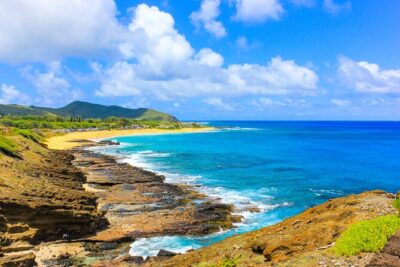 ★ 5.0Tour of North Shore & Waimea WaterfallFrom $1543,682 reviews
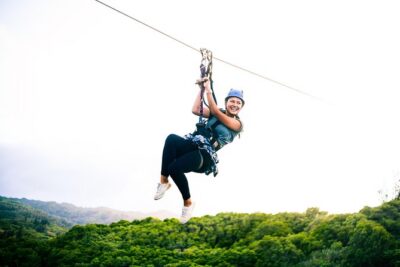 ★ 5.0Oahu’s North Shore: 8-Line Zipline AdventureFrom $2033,616 reviews
 ★ 5.0Toa Luau at Waimea Valley, OahuFrom $1333,350 reviews
 ★ 5.0All Inclusive Ultimate Circle Island Tour, Waimea Falls & LunchFrom $1563,067 reviews
 ★ 5.0Oahu North Shore Experience: Activities, Waterfall & Free TimeFrom $1671,799 reviews
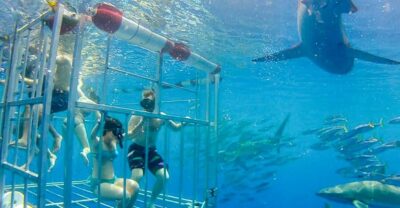 ★ 4.8Shark Cage Dive on the North ShoreFrom $991,485 reviews
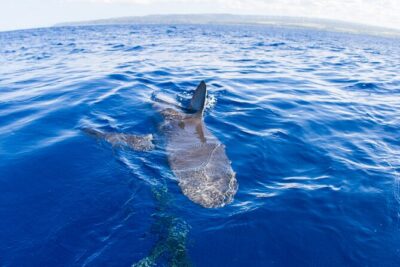 ★ 5.0Shark Cage Diving on Oahu’s North ShoreFrom $1001,391 reviews
Browse the lists this tour appears in