
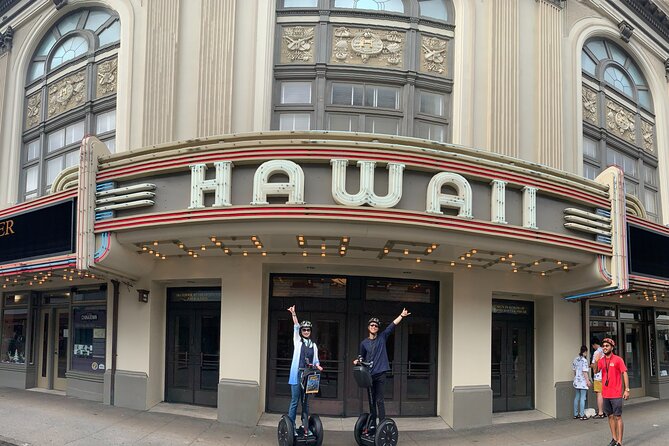
REVIEW · HISTORICAL TOURS
History & Culture Tour in Honolulu via Segway
A fast, story-filled way to see downtown Honolulu. I love how the two-way radio headset keeps you connected to the guide even while gliding, so you can actually follow the explanations. I also like that the route is designed to cover a lot of key landmarks without turning the day into a leg workout. The main thing to consider is the tour requires good weather, since it runs outdoors.
What really makes this tour attractive is the focus on major historical stops that are otherwise spread out. I like that the small group size (max 8) means you are not just herded along, and you get more chances to ask questions. The trade-off is that you are on a Segway for the entire experience, so if you strongly prefer walking, this might not feel as natural.
Key Things That Make This Segway Tour Work So Well
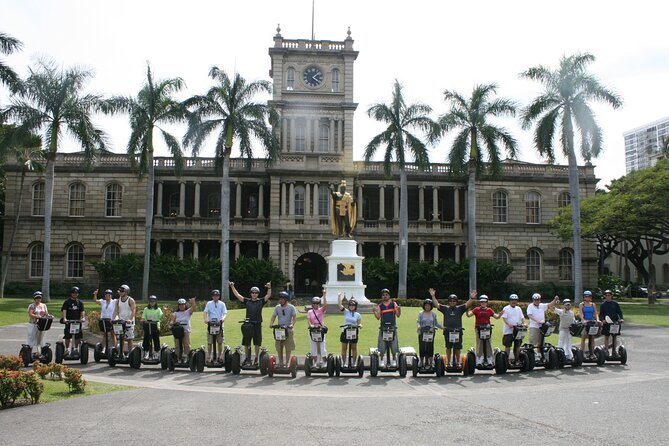
- Two-way radio headset so you can hear instructions and history clearly
- Small groups up to 8 for tighter pacing and more personal attention
- Mission Houses, Kawaiahao Church and Kamehameha Statue in one smooth downtown loop
- Iolani Palace and Royal Barracks grounds with time to slow down at key photo stops
- Chinatown and the harbor area, including Aloha Tower and nearby reef area
- Kakaako Waterfront Park stretch with Promenade views, Point Panic surfers, and memorials
Why This 2.5-Hour Honolulu Segway Tour Beats a Long Walk
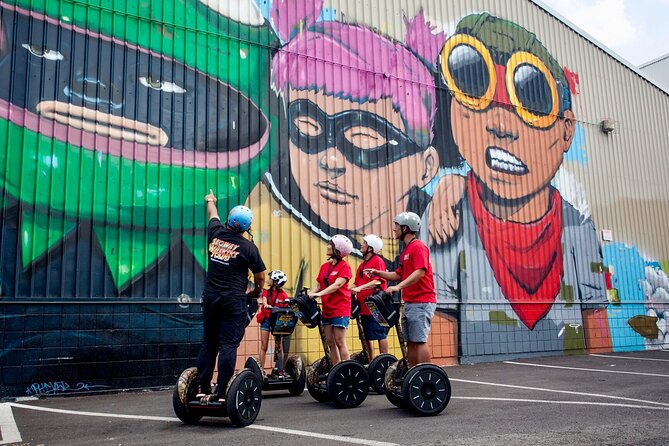
Downtown Honolulu can eat time fast, even when the sites look close on a map. This tour turns that same distance into a glide, letting you cover Mission Houses, the royal core around Iolani Palace, Chinatown, and the harbor area in one morning.
You are not just seeing buildings. You are getting the linking story between Hawaii’s earliest missionary era, the kingdom period, the overthrow era, and the city that formed afterward. With headsets and two-way radios, you spend less time guessing and more time understanding what you are looking at.
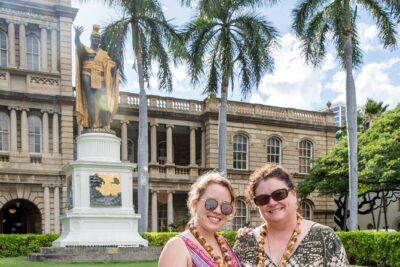
And because the group is capped at 8, the pace stays under control. You are usually moving when it makes sense, with stops that let you take in details like the gold-encrusted statue and the palace grounds.
You can also read our reviews of more historical tours in Honolulu


Getting Set Up in Kakaako, Then Rolling Into King Street
You start at Segway of Hawaii in Kakaako, at 1687 Kalauokalani Way. The tour runs about 2 hours 30 minutes and starts at 9:00 am, then returns you to the same meeting point.
Included gear helps this feel low-stress from the start. You get a helmet, bottled water, and a two-way radio headset, which matters when you are navigating streets and keeping up with the guide.
If you are staying in Waikiki, you have an option for round-trip transfer, but it is not included. The transfer costs $20 per person for round-trip from Waikiki to Kaka’ako, so I recommend planning around that if you want an easy start.
Mission Houses and Kawaiahao Church: The Early Hawaii Timeline Begins
The first major stop is the Mission Houses area, a cluster of austere buildings built in 1820 by Hawaii’s first missionaries. This is the kind of stop where the setting helps the story land, because you are literally standing where major early changes began to take shape.
Right next door, you can see Hawaii’s first church, also built in 1820, at the historic Kawaiahao Church and graveyard. This matters because it connects the mission era to the people who shaped early Hawaiian leadership, including many of the Ali’i (royalty) buried there.
You also catch Honolulu Hale across King Street. It is a quick visual reminder that the city’s government center is still operating today, and that you are not just watching old landmarks, you are moving through an active civic core.
One practical upside here is how early the guide sets context. Once you understand what the area represents, every later stop like the Kamehameha Statue and Iolani Palace makes more sense.
King Kamehameha Statue and the Supreme Court Building Loop
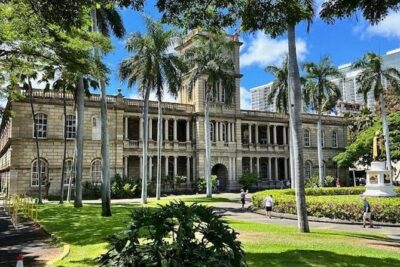
Next, you glide to the gold-encrusted King Kamehameha Statue, placed in front of Hawaii’s State Supreme Court building. The statue is one of three in the world, which gives you a simple benchmark for how famous and iconic this figure is.
The location is also meaningful. The Supreme Court building area used to be the seat of Hawaii’s government when it was a nation, so you are looking at a space that has shifted roles while staying central.
This is a strong stop for history buffs who want speed. If you tried to walk this area yourself, you might not connect the dots between monarchy imagery, national governance, and later legal institutions.
The Segway part makes the big difference. You stay in motion, but the guide can still point out what to notice, and you are close enough for photos without hiking between far-away corners.
Iolani Palace and Royal Barracks: The Kingdom Era in Plain Sight
After crossing King Street, you enter the grounds of Iolani Palace and Royal Barracks. This is described as the only palace on American soil built by King Kalakaua, and today it functions as a museum.
You glide around the palace grounds and get to look at the banyan trees, which helps the area feel alive instead of frozen in time. Then you pause at the Queen Lili’uokalani Statue, a key figure for understanding the end of the Hawaiian monarchy.
The guide also frames her story as Hawaii’s last ruling monarch until the Americans overthrew her government and the Hawaiian Nation. Even if you already know the basics, seeing it physically in this space tends to make the timeline feel sharper.
A good thing about this stop is pacing. You are not racing through it, but you also are not stuck too long, so you stay energized for Chinatown and the harbor afterward.




State Capitol Grounds, Hotel Street, and the Path Toward Chinatown
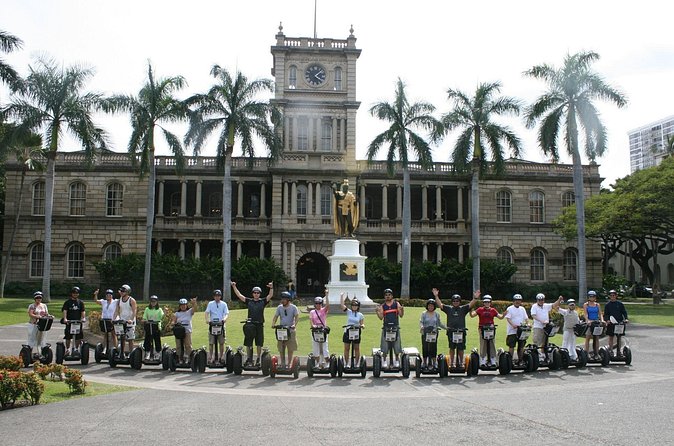
From the palace area, you make your way toward the Hawaii State Capitol building. Its architecture is called out as unique, and you get a sense of how political power continues to evolve in the city center.
You then pass the State Art Museum and travel along historic Hotel Street, known for its colorful past. This is an easy “bridge” stop that keeps you thinking about how Honolulu’s story mixes culture, government, and everyday life.
Then you roll toward Chinatown’s shopping mall, where you can see noodle factories and open markets. Chinatown is also where you meet a wider mix of people from around the world, which adds a modern layer to everything you have just learned about earlier periods.
If you like your history tours with a human element, this part is a win. It turns the morning from strictly royal and governmental sites into something closer to lived city culture.
Bishop Street and Merchant Street, Plus the Old Transportation Buildings
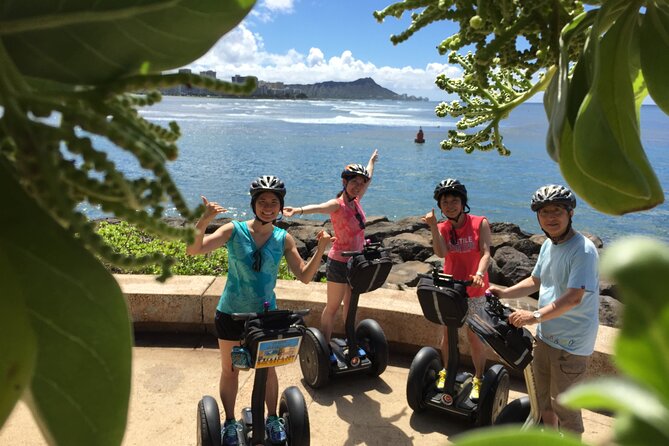
Next up is Honolulu’s version of Wall Street, Bishop Street. It is paired with Merchant Street, described as the first paved street in Honolulu, so you are moving along an older foundation of the city’s trade and movement.
As you glide, you also see artistic buildings and the historic transportation buildings that are more than 150 years old. That 150-year mark matters because it puts the commercial core into perspective, even if you have never studied Honolulu’s urban growth.
This is a stop where the Segway shines again. These streets form a network, and it is easy to lose time if you are trying to walk point-to-point. You stay oriented while the guide explains why this area mattered.
Also, if you plan to snack later, Chinatown and the market-adjacent feel of this section helps set you up. It is the right kind of contrast after palace grounds and statues.
Honolulu Harbor and Aloha Tower: A 1926 Marker for Modern Honolulu
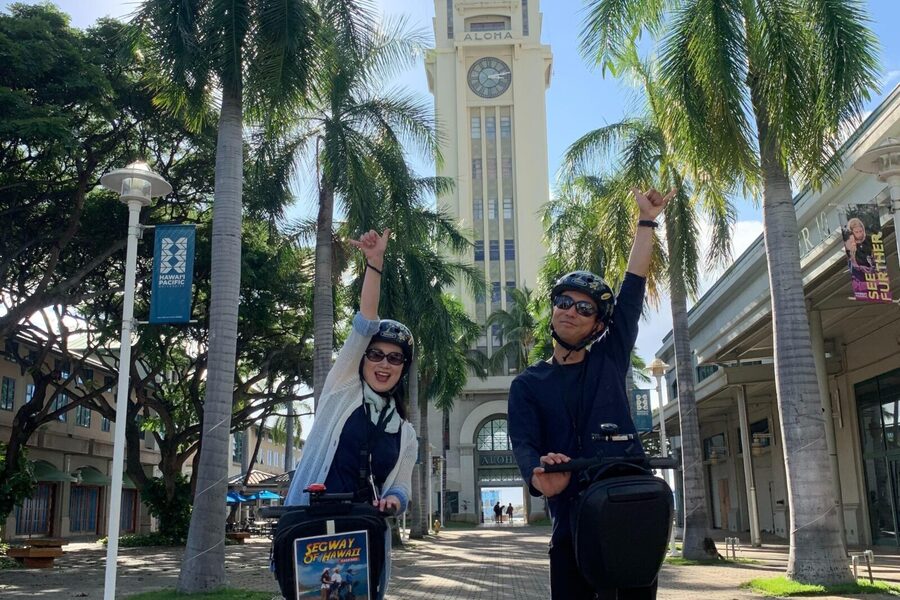
Then you head to Honolulu Harbor and the famed Aloha Tower. Built in 1926, it was once the tallest building in Hawaii, and the story attached to it is about how Honolulu became a major hub.
You do more than look at the tower from a distance. You also check out a restored coral reef and fish that come to feed close by. That detail is especially cool because it links the harbor’s human history with ocean life in a way that feels relevant today.
This portion of the tour is where the city’s layers start to feel tangible. You go from kingdom-era imagery to government institutions to commerce and maritime growth, and the harbor makes that progression obvious.
If you like your photos with variety, you will likely enjoy this stretch. Aloha Tower is a signature landmark, and the reef area adds something different from the street scenes.
Kakaako Waterfront Park, Point Panic Surf, and Memorial Stops
After the harbor, you glide back toward the ocean and into Kaka’ako Waterfront Park. The Promenade is part of what you check out, and you are also looking toward Point Panic, known for surfers.
That surf view matters more than you might think. It is a modern way to experience a coastline that has always mattered to Honolulu, from early travel routes to today’s recreation culture.
You then head up the hill to the Ehime Maru Memorial and the Echo Stone. These memorial elements shift the tone again, giving the day a reflective moment after the more lively city and harbor scenes.
Even if you are not a memorial-focused traveler, this is valuable because it prevents the tour from feeling like only landmarks and captions. It adds emotional context, which helps the historical timeline feel complete.
Ala Moana Finish Along the Water Back to Your Start
For the final stretch, you glide back toward your starting point all along the ocean in Ala Moana Regional Beach Park. It is a calmer ending after earlier stops that move through streets and denser downtown areas.
This ocean run also helps you decompress and take in the last wide views. You finish with a sense that the city is shaped by water, not just by downtown buildings.
Then you end back at the meeting point, so you are not scrambling to figure out where to go next. This makes it easier to plan a meal or another activity for later in the day.
Price and Value: What $254.14 Buys You in Real Time
At $254.14 per person for about 2 hours 30 minutes, this is not a budget activity. But the value is fairly clear if you want maximum information-per-hour without burning your feet.
You get several things working together:
- More ground covered than a typical walking loop
- Clear communication through headsets and two-way radio gear
- A route that links major landmarks across multiple eras
- A max group size of 8, which tends to keep attention high
If you only have a short window in Honolulu, this kind of Segway format is a practical choice. It lets you hit the Mission Houses area, Iolani Palace, Chinatown, Bishop and Merchant Streets, and Aloha Tower without splitting your plans into multiple separate outings.
Transfers from Waikiki are an added cost at $20 per person round-trip, so the total price can rise if you need that convenience. Still, for many people, it is worth paying to avoid time lost on getting to Kakaako at the start.
Who This Tour Suits Best (and Who Might Want Another Option)
This is a smart fit if you:
- Want a history and culture tour but do not want to spend the morning walking
- Like downtown landmarks and photo stops with a guided explanation
- Prefer small group pacing, not a large crowd experience
It may be less ideal if you dislike riding a Segway or you need a more flexible walking pace. Because the tour is built around gliding between fixed stops, you should feel comfortable following the guide’s rhythm.
Also, because the tour requires good weather, it might feel like a gamble if your trip schedule is tight and rain is likely. The good news is that the activity is designed for a full experience on clear days, so it tends to be a smooth outing when conditions cooperate.
Should You Book It?
I think this tour is a strong booking if you want a structured route that still feels fun and efficient. The mix of Mission Houses, Iolani Palace, Chinatown, and Aloha Tower covers the biggest “I get it now” moments about Honolulu in one morning.
Book it if:
- You want fast access to multiple eras and landmarks
- You like the idea of headsets and radios for better storytelling
- You value a small group cap that supports questions and pacing
Skip it if:
- You would rather tour by foot or by museum time only
- You are planning around uncertain weather and do not want your day affected
If your ideal Honolulu morning is part learning, part gliding, and part turning history into something you can actually picture, this is a compelling way to do it.
More Historical Tours in Honolulu


More Tours in Honolulu

More Tour Reviews in Honolulu
Not for you? Here's more nearby things to do in Honolulu we have reviewed








Historical Tours, compared.
 ★ 5.0Mauka Warriors Luau Honoring Polynesia’s Forgotten HistoryFrom $1453,013 reviews
 ★ 5.0Pearl Harbor History Remembered Tour from Ko OlinaFrom $1541,009 reviews
 ★ 4.5Pearl Harbor with USS Arizona and Hawaiian Kingdom History TourFrom $57184 reviews
 ★ 4.5Pearl Harbor [Early Access], USS Arizona & Historic Honolulu TourFrom $7987 reviews
 ★ 5.0Historical Honolulu Bike TourFrom $14976 reviews
 ★ 5.0Through A Glass Darkly The Strange and Tragic History Of HonoluluFrom $3912 reviews
 ★ 5.0Semi Private Honolulu Historical TourFrom $14411 reviews
 ★ 3.5Best Of Pearl Harbor: USS Arizona Memorial & Historic HonoluluFrom $7510 reviews
Browse the lists this tour appears in