
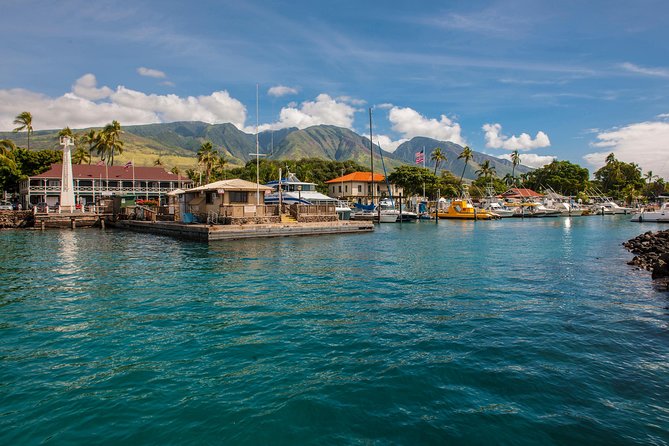
REVIEW · WAIKIKI & DIAMOND HEAD TOURS
2-Hour Oahu Whale Watch from Ala Wai Harbor, Waikiki
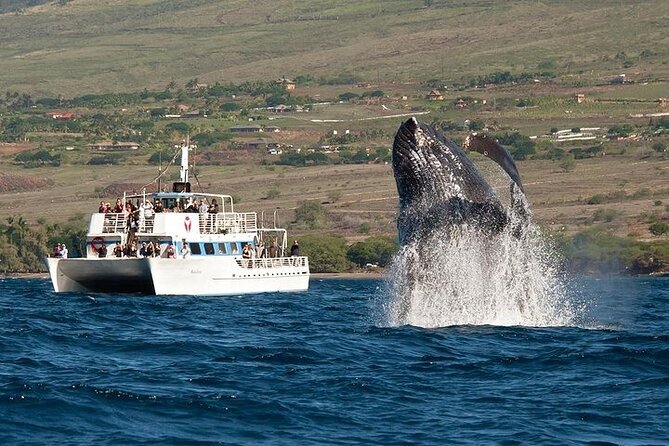
Humpbacks off Waikiki are pure Hawaii magic, and this 2-hour boat trip is built to help you spot them. I love the multi-level viewing (upper deck plus a shaded cabin with windows), and I also like the underwater hydrophone that can pick up whale sounds below the surface. One thing to plan for: humpback sightings are never guaranteed, and if the sea is choppy, you may feel it more depending on where you sit.
Hop on in the Ala Wai Harbor area and spend a short chunk of your day cruising the coastline with live narration from a whale expert. The ride is designed for comfort, too, with a newly renovated boat (2024), a marine bathroom onboard, and a smaller on-board max of 80 passengers for a more relaxed feel than some larger boats.
You get real whale education, not just a cruise
This is also one of the few whale-watching options where you can bring your own snacks and beverages, so you can stretch your budget and enjoy a more personal, picnic-style outing. If you’re unlucky and don’t see whales that day, the operator appears to offer return passes or vouchers based on how other riders were handled. The main drawback is simple: you’re out on open water, and wind and swell can turn a pleasant day into a motion-sickness day.
Key highlights to know before you go
- Upper deck or shaded main cabin: choose the sun or the comfort, without losing sightlines.
- Underwater hydrophone onboard: you can hear whale sounds under the boat, even when you cannot see much yet.
- Live narration from a whale expert: you’re not guessing, you’re learning what to watch for.
- BYOB and snacks allowed: no need to pay inflated onboard prices just to keep hunger away.
- Short, efficient outing: a tight 2-hour tour that doesn’t eat your whole day in Waikiki.
- Return pass may happen when sightings miss: multiple riders got a free voucher after going whale-free.
You can also read our reviews of more whale watching tours in Oahu
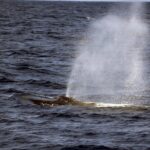
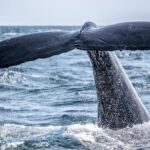
Why this 2-hour Waikiki whale watch is a good use of your time
If you’re in Waikiki and you want whales without committing to a long, all-day excursion, this format makes sense. Two hours sounds brief until you’re standing at the rail watching spouts, then you realize that short windows are often where the best whale watching happens. You get enough time for cruising, searching, and narration, without draining your energy for the rest of Oahu.
The price is $49.95 per person, and the value is strongest if you treat it like a guided “chance to see humpbacks” plus a scenic cruise. The tour is not selling you certainty. It’s selling you tools: a multi-level boat for better sightlines, live whale education, and a hydrophone that adds another layer to the experience.
The other big value play here is convenience. You’re departing from Ala Wai Harbor in the Waikiki area, so you can fit this into a normal sightseeing day. You also don’t have to plan around hotel pick-up and drop-off, which can save time and reduce stress.
One practical note that shows up in real-world conditions: this tour can be windy and the water can get choppy. That’s not a complaint, it’s just Hawaii reality. If you tend to get seasick, plan ahead. Bring whatever helps you most, and consider sitting where the boat motion feels least for you.
Boat setup: how the upper deck, cabin windows, and hydrophone work together
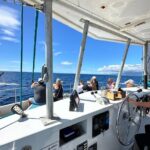
This tour runs on a multi-level vessel. That sounds like a simple feature, but it matters. In whale watching, visibility changes constantly. Sometimes whales are closer to the surface and you want open sightlines. Other times, they’re farther out, or the sun glare is intense, and a shaded cabin with large windows can be the smarter move.
Here’s how I’d think about it for your day:
- If you want maximum chances at visual spotting, go up top. You’ll be closer to the action and you’ll see the horizon lines better.
- If the sun is high or the wind is getting old, move down into the main cabin. You still have window viewing, plus shade.
- If whales are hard to find with the eye, the hydrophone adds a bonus. Even when the spray is messy and you’re scanning like crazy, whale calls under the boat can help you understand what the crew is looking for.
The tour also includes a marine bathroom onboard. Small detail, big comfort, especially for families and anyone who doesn’t want to plan their whole day around restroom timing.
On-board comfort is a recurring theme: the boat is listed as newly renovated for 2024. And the group size is capped at 80 passengers, even though it’s Coast Guard certified for 115. That matters because whale watching is a standing-and-waiting sport. Smaller groups generally feel less crowded when everyone is trying to look the same direction at the same time.
What you’ll actually see during the cruise: Waikiki and Diamond Head from the water
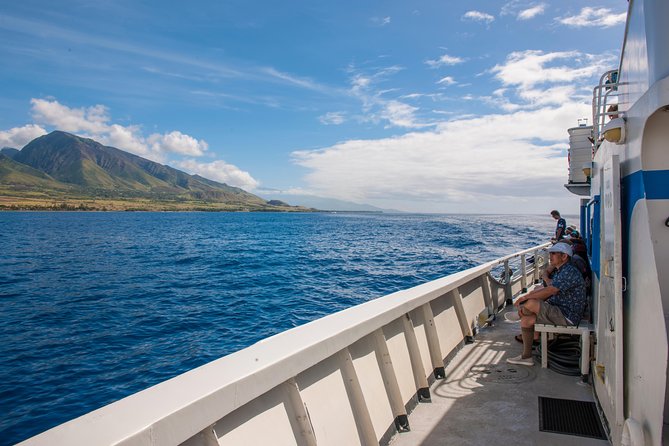
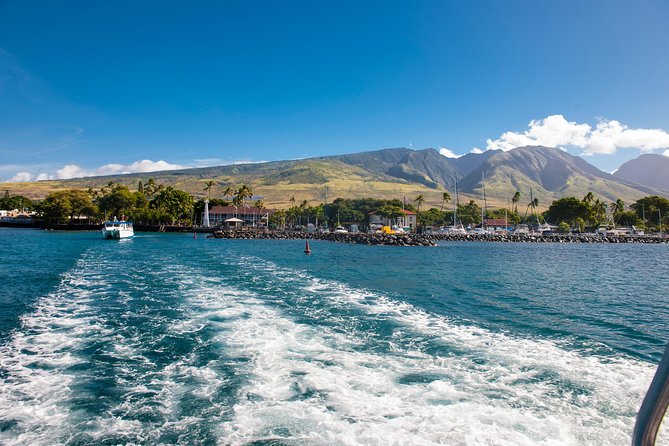
You start with water-level views of Waikiki Beach and the Waikiki city skyline. Watching Waikiki from the ocean flips the usual perspective. Instead of squeezing between high-rises on land, you’re seeing the beachfront shape, the shoreline curve, and the beach activity from a distance that feels more panoramic.
Then you head to a second scenic anchor: Diamond Head, the famous dormant volcano, viewed from the water. Diamond Head is iconic on land, but sea views give it a different scale. You also get a sense for how the coastline is laid out, which helps when the crew starts pointing out marine life.
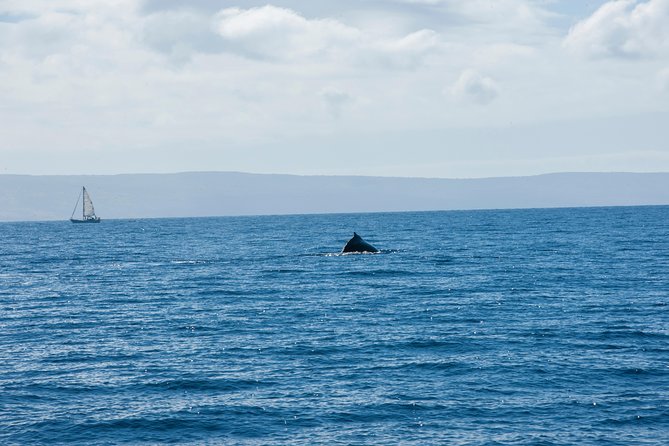
In between those “pretty” stops, the real mission is searching for humpbacks. When humpbacks are in the area, you’re often looking for movement patterns: spouts, a sudden surface break, and the timing of what happens after. The crew helps you track the action, not just count sightings.
Even if humpbacks are shy, you may still spot other marine life. People have reported seeing dolphins, turtles, sea turtles in particular, and schools of jumping fish on different trips. Those aren’t replacements for humpbacks, but they do make the cruise feel alive.
Humpback spotting tips the crew will help you use
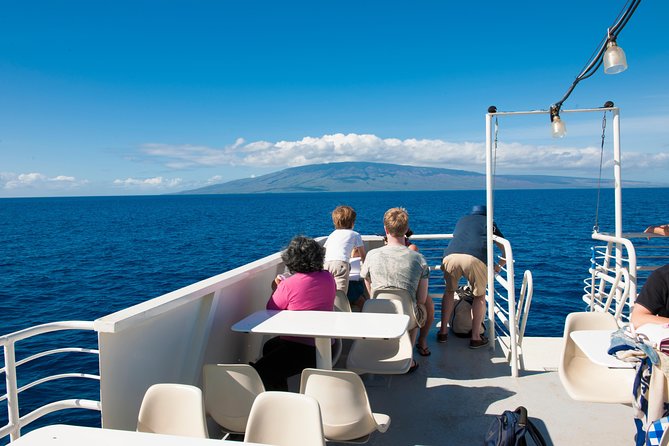
This tour runs during the whale migration period from December through May, when humpback whales come to Hawaii’s warm waters to breed. The migration is long, roughly 3,500 miles from Alaska feeding grounds, and that context helps the whole experience feel bigger than a quick sightseeing stop.
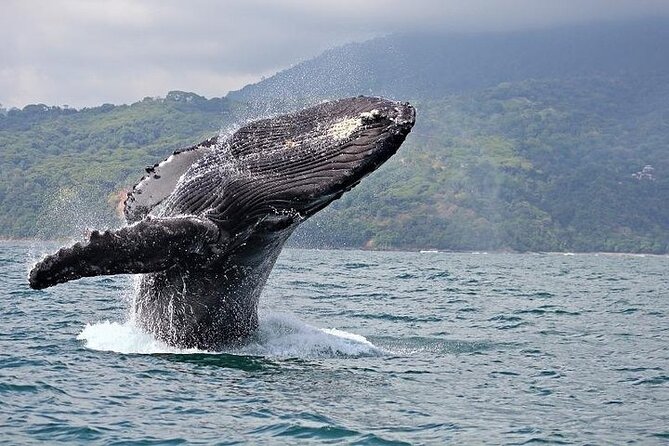
What the crew does well is teaching you how to read whale behavior. You’ll hear explanations about what you’re seeing when a whale breaches, how flukes and tail slaps show up, and what the timing might mean. Even if you’re not a marine-life expert, you can still “play along” with the crew’s focus.
A practical tip from the overall experience theme: bring binoculars if you have them. One rider specifically called out that whales could be far off, and binoculars made the difference. At $0 cost, that’s an easy upgrade to your own comfort. If you don’t own them, you might find a way to borrow a pair, or plan to rent in advance if that’s available on your trip.
Also, expect the day to be fluid. The crew points things out and may adjust where you cruise based on whale activity and sea conditions. That’s normal whale watching. The bonus is that you’re learning while you wait, not just hoping.
More Oahu tours and island experiences worth comparing
Comfort and seasickness: what to do if the day is choppy
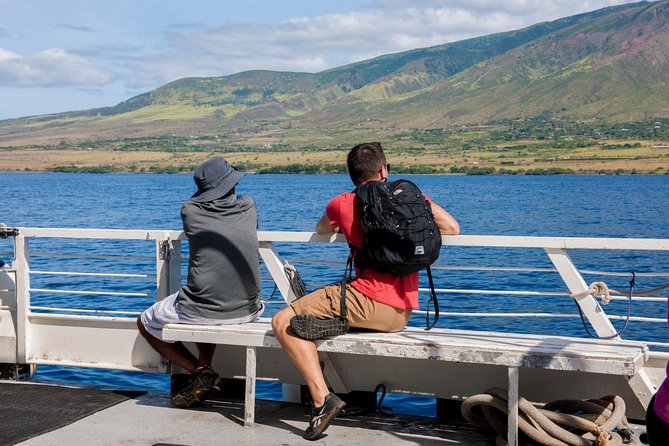
Hawaii can be smooth as glass one day and rough enough to rattle your lunch the next. This tour operates in most weather conditions, but it can still mean wind and waves. Many riders mention choppy water, wind, and the reality that you might get soaked if you sit toward the front on a rougher day.
Here’s the “do this, not that” version:
- If you’re prone to motion sickness, follow the crew’s advice and bring your own prevention. Riders have specifically encouraged taking seasickness precautions.
- Choose your seating with your stomach in mind. The best spot isn’t the same for everyone, but some people do better up top, while others prefer the cabin for steadier views.
- Wear layers. Wind can cool you fast on the water, even in Hawaii warmth.
- Bring a poncho or light rain gear. If you’re sitting where water splashes, you may end up wet, then dry later as conditions change.
One nice point: motion-sickness support exists on board. Some trip reports mention a stand where you can buy snacks, drinks, and motion-sickness medicine. That’s useful if you forgot something. Just remember your own prevention plan is still your best safety net.
BYOB, snacks, and the real value of food flexibility
This is where I think the tour gets an edge. It’s listed as one of the only whale-watching vessels that allows you to bring your own snacks and beverages. That can save money, and it also makes the outing feel more relaxed. You’re not stuck buying every small item once you’re out on the water.
Alcoholic beverages are not included, but BYOB is allowed, so you control what you bring. For many people, that turns the trip into a better “date night” or family outing without adding the cost of onboard purchases.
Now, I’ll keep this balanced: a couple of people were surprised that snacks and drinks were not included for free. The simple fix is to plan your own mini-stock-up. Bring what you want, and you’ll feel in control instead of disappointed.
Where the experience shines most: crew energy, spotting effort, and narration
The crew is repeatedly praised for being friendly and for bringing the whale talk to life. Multiple names come up in trip accounts, including Captain Logan, with crew members like Carell, Peter, and Corel credited for helping spot whales and staying helpful even when conditions weren’t perfect.
The biggest pattern I see from those comments is this: the crew doesn’t treat whale watching as luck. They guide you. They point out spouts, help you track a surfacing pattern, and keep explaining what you’re seeing. That narration matters because it turns waiting time into learning time.
You’ll also get photo opportunities. Even when whales are not extremely close, you’re cruising past major landmarks like Waikiki and Diamond Head, and you’ll still capture great ocean-to-city shots. If you’re lucky enough to see humpbacks doing dramatic behaviors, those moments become the kind of photos you’ll remember long after the trip.
If you miss whales, what happens next
Whale watching is high variance. Sometimes you get spouts and tails. Sometimes you get wind and empty water. This tour includes a redemption element that showed up in multiple experiences: riders were offered free passes or vouchers to return when whales were not spotted that day.
That doesn’t make whale sightings guaranteed, but it does change the risk math. With a return option, the sting of a whale-free day feels less final. If you’re visiting in peak season and can flex your schedule, this is the kind of policy detail that can justify booking.
Just keep your expectations honest: you’re paying for a chance to see humpbacks during December to May, plus a scenic narrated cruise. The return pass is a nice safety net, not a guarantee.
Who should book this whale watch from Ala Wai Harbor
I’d point this tour toward three types of travelers:
- Whale curious visitors short on time in Waikiki: two hours is a realistic slice of the day.
- Families: the tour is educational, the boat has a bathroom, and the multi-level setup helps different age groups find their comfort zone.
- People who like guided explanations: live whale narration makes spotting easier and less random.
It might be less ideal if:
- You know you get severely seasick and you can’t manage it with your usual tools. In rough conditions, the ride can feel rough.
- You want guaranteed close-up whales at all times. Humpbacks can be far out, and even with the best crew, distance is part of the deal.
If you can, travel during peak weeks in the middle of the season, when sightings tend to be stronger. Even then, nature keeps the script flexible.
Price and logistics: how $49.95 compares in real value
At $49.95 per person for about two hours, this is positioned as an affordable whale-watching option compared to longer, more expensive day trips. But value comes from more than the sticker price.
Here’s what you’re really getting for your money:
- A short duration that minimizes wasted travel time in Oahu traffic.
- A boat with multi-level viewing and comfort features like windows in the cabin.
- Live narration and a hydrophone that adds an extra sense to whale watching.
- BYOB snacks and drinks allowed, so you can keep your total daily spend reasonable.
The trade-offs are also real:
- You’re not promised whales every trip.
- When the sea is choppy, comfort depends on where you’re seated and how well you tolerate motion.
For me, this comes down to risk tolerance. If you’re the type who enjoys being out on the ocean even without a perfect outcome, the value is strong. If you need guaranteed whale action, you’ll want to manage expectations or plan a backup day.
Should you book it? My take
If your goal is a well-run, time-friendly humpback whale experience from Waikiki, I think it’s a smart booking. The best reasons are practical: the upper deck and cabin options, the hydrophone, and the fact that you can bring your own snacks and beverages so the trip feels easier on your budget and your stomach.
Book it if you can handle the basic reality of whale watching, wind, and the occasional choppy ride. Also, if you can bring binoculars, do it. It’s one of the simplest ways to boost your odds of enjoying every moment, even when whales surface farther out.
Skip it only if you know you cannot manage boat motion or you’re the kind of traveler who feels personally cheated by the chance element. This is not a guaranteed show. It’s a narrated hunt in the right season.
FAQ
What months are best for humpback whales on this tour?
This whale watch operates during the whale migration period from December through May, when humpbacks come to Hawaii’s warm waters.
How long is the tour, and where does it depart from?
The tour lasts about 2 hours and departs from Hawaii Ocean Project – Waikiki at Ala Wai Harbor, 1651 Ala Moana Blvd, Honolulu.
Can I bring my own snacks and drinks?
Yes. BYOB is allowed, and you can also bring your own snacks and beverages. Alcoholic beverages are not included with the ticket.
Where can I watch the whales from during the trip?
You can choose the upper observation deck or the enclosed main cabin with large viewing windows.
Is there a bathroom on board?
Yes, there is a marine bathroom on the vessel.
What is the underwater hydrophone used for?
The underwater hydrophone is used to hear the whales under the boat.
What do I need to bring for check-in?
You need a valid ID, since passengers must be able to provide identification upon request. Check-in opens at least 30 minutes before departure, and boarding begins 30 minutes prior, closing 5 minutes before departure.
More 2-Hour Experiences in Oahu
More Whale Watching Tours in Oahu

More Tour Reviews in Oahu


Not for you? Here's more nearby things to do in Oahu we have reviewed



Waikiki & Diamond Head Tours, compared.
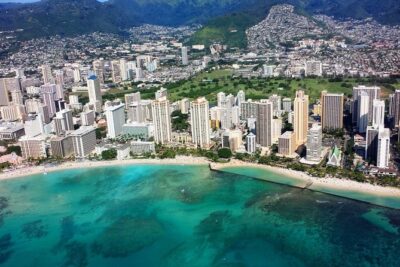 ★ 5.0Parasailing Experience in Waikiki, HIFrom $447,692 reviews
 ★ 4.5Waikiki Trolley Hop-On Hop-Off Tour of HonoluluFrom $224,783 reviews
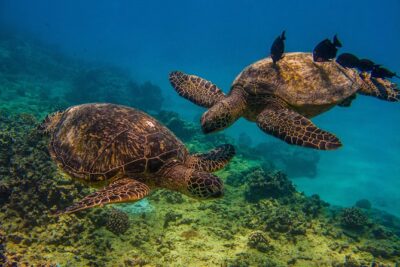 ★ 5.0Waikiki, Hawaii: Turtle Canyon Snorkel ExcursionFrom $794,656 reviews
 ★ 5.0Waikiki Trolley Blue Line Coastline & Local Grindz Hop-on Hop-offFrom $354,159 reviews
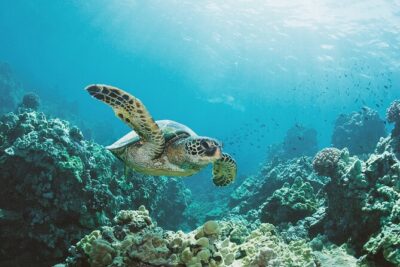 ★ 5.0Turtle Canyon Snorkel Adventure in Waikiki, OahuFrom $853,197 reviews
 ★ 5.0The Magical Mystery Show! at Hilton Waikiki Beach HotelFrom $992,754 reviews
 ★ 5.0Oahu Grand Circle Island Experience from WaikikiFrom $992,317 reviews
 ★ 5.0Oahu’s Waikiki Coast: Moana’s Sunset Cocktail SailFrom $892,205 reviews
Browse the lists this tour appears in