
REVIEW · OAHU CIRCLE ISLAND TOURS
Sunrise Plus Island Tour
Wake up early, get better light. That is the whole idea behind this sunrise-focused photo tour on Oahu, with hotel pickup and a small group pace that keeps you from racing around on your own. I like that the guides teach practical camera skills as you go, not just where to stand, and I also like that the route adapts to weather and the season to chase the best views. One drawback: the start time is truly early, so if you hate mornings, you will feel it by stop number two.
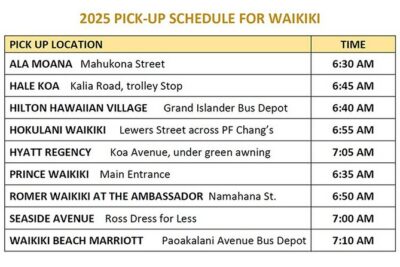
After you meet in Waikiki, you’ll roll out in an air-conditioned van with tripods provided, aiming to reach the first dawn spot about an hour before the sun clears the horizon. It’s a full-day experience (about 8.5 hours) with a “visual road-trip” feel, mixing North Shore scenery with lots of smaller scenic stops chosen to help your photos, not just your souvenir count. I found the small-group setup matters here, because it makes the coaching more personal and the schedule more flexible when conditions change.
Key Highlights You Will Actually Use
- Dawn timing with a real sunrise focus, departing from Waikiki before the sun comes up
- Tiny group photo coaching, max 6 travelers, with instruction on exposure and composition
- Tripods included, plus hotel pickup and drop-off from Waikiki area hotels
- Route adapts to weather and season, so you’re not stuck with the same checklist no matter what
- Breakfast and lunch are on your own, which keeps the day flexible but costs extra
Why This Sunrise Photo Road-Trip Feels Different
Most Oahu tours try to cram big sights into a short window. This one is built around light, timing, and camera choices, so you spend the day learning how to “see” your photos, not just how to click them. The whole experience is framed as a visual drive, with scenic stops and photo teaching woven together.
I especially like the teaching approach: it is not only about where the best angles are. The guide also explains what matters in the moment, like framing choices, shutter speed effects, focal points, and how to read the direction and quality of light as it changes. That is useful even if you only shoot with a phone some days, because the concepts translate fast.
The other part I appreciate is the emphasis on avoiding hassle. You get round-trip transportation from Waikiki, so you skip the stress of parking, routing, and switching plans on your own. On a day that starts around 5:45 am, that kind of simplicity is worth real money.
You can also read our reviews of more tours and experiences in Honolulu.



The 5:45 am Start, Small Group Size, and Van Comfort
Your day kicks off early. The tour start time is listed as 5:45 am, and the schedule is designed so the sunrise viewing happens right when the light transitions. Expect a pickup from your Waikiki hotel area in a spacious, air-conditioned van. The ride itself matters, because you’re often traveling between viewpoints while conditions are still changing quickly.
You’ll be in a small group, with the tour capped at up to 6 travelers (the description also references a very small max group size, keeping it intimate either way). That small headcount is part of the value. It means the guide can slow down for questions, help you reposition, and offer quick feedback at multiple stops, rather than treating you like a moving checkpoint.
One more practical detail: you’ll have a mobile ticket, which is convenient if you prefer skipping printed paper. Also, the tour operates in all weather conditions, so you should plan for rain gear if the forecast looks iffy.
Stop 1 at Dawn: Beach Views, Tide Pools, and That First Light
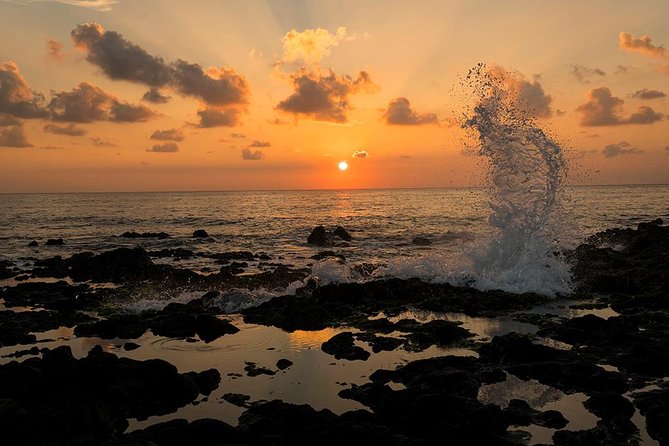
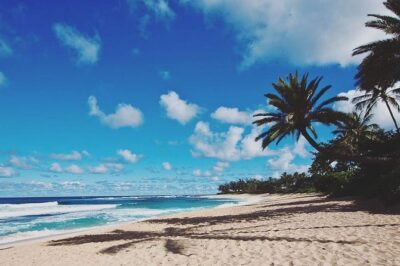
The first big moment is sunrise at a spectacular beach spot. The plan is simple: leave Waikiki about an hour before sunrise, then arrive at the viewpoint early enough to see the sun appear on the horizon with waves rolling in and tide pools in the mix.
This is where the tour earns its name. Sunrise photography is not just about being early. It is about being positioned before the light changes, because the color, contrast, and wave texture shift minute by minute. With a guide directing you, you’re less likely to rush to the “pretty” spot and miss the best angle when the sun is just clearing.
The dawn area also gives you options. Tide pools and splashing water can create texture, and a good composition can make the horizon feel layered instead of flat. If there is light rain, things can look different in a good way, including the chance of rainbows after the sun breaks through. That is exactly the kind of “work with what the day gives you” mindset that photography guides tend to bring.
The Breakfast Pause You Should Plan For
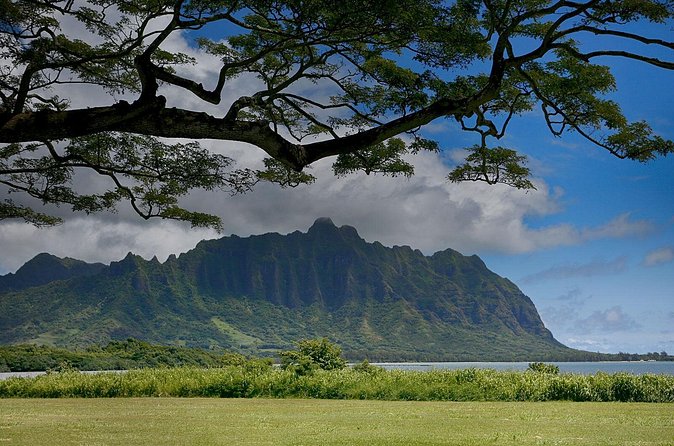
After sunrise, the tour includes a quick breakfast stop before you continue. Food and drinks are not included, so you’ll be paying on your own here and again later at lunch.
That might sound annoying on paper, but it actually gives you control. If you want something fast, you can. If you want something more substantial, you can make that choice in the moment. Just budget time for ordering and eating, because the entire day is built around camera stops, not a long sit-down meal.
My practical advice: pack some light snacks if you know you get hungry. It is not listed as included, so you’ll want a backup. Also, plan what you want for lunch later, because you won’t be waiting around forever. Your day schedule still runs, even when you find a spot you want to photograph longer.
The Road-Trip Day: North Shore Stops and Weather-Adaptive Routing
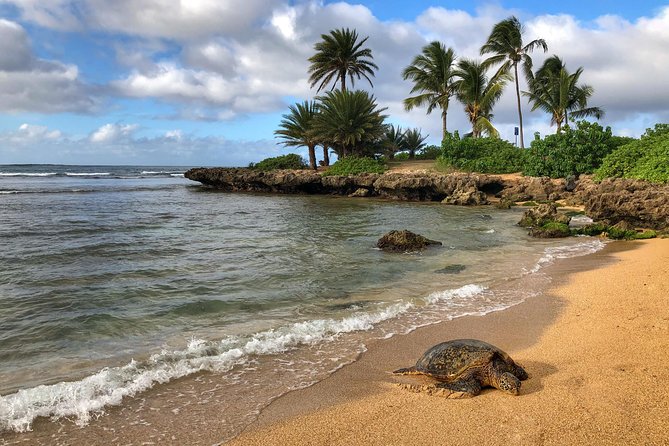
After breakfast, the day becomes a full-day island photo drive. The route is described as going around the island of Oahu with many stops, and it includes the North Shore areas with their dramatic coastlines and changing scenery.
The most important thing to understand is that the tour changes based on weather. Locations are chosen to suit season, conditions, and the time of day. That means you might not see the exact same stops as someone who went on a different date, and you should not treat the route like a rigid checklist.
In my view, that flexibility is a big win. Oahu weather can shift fast, especially in coastal areas. If clouds roll in, the guide can reposition to chase the best light or reduce time lost in conditions that are actively making photos worse. You end up with a better day overall because the itinerary is driven by optics, not just logistics.
Also, the tour’s whole pitch is that you avoid tourist-trap crowds and the driving headache. In real terms, that helps you spend more energy on photographing and less on steering, parking, and trying to find an angle while everyone else is doing the same.

How the Guide Teaches Photography While You Move
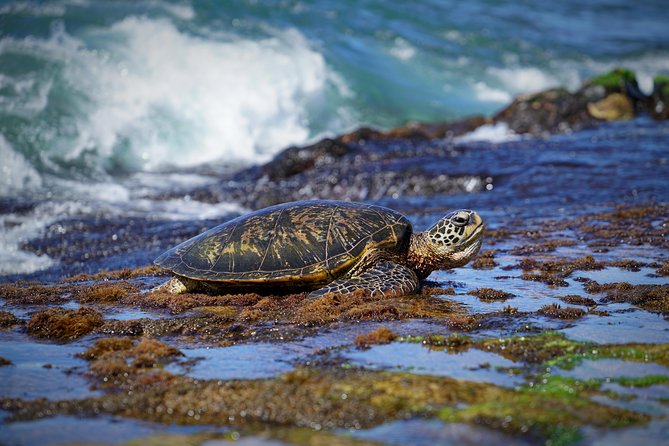
This tour is not only about sunrise, it is about learning how to take better photos anywhere you go in Hawaii. You get guidance on key camera and composition concepts while you’re actively shooting at multiple scenic stops.
Here are the specific topics that are explicitly mentioned as part of the coaching:
- Framing and where the subject sits in the image
- Shutter speed and what it does to moving water and waves
- Focal points, meaning where your eye should land first
- Light use, which covers direction, intensity, and the way it changes from dawn into morning
A good guide makes those words practical. You’ll hear explanations, then you can test them on the spot. That is why a moving tour works better than a classroom session. The lesson sticks because you can see the result immediately, like when shutter speed changes the look of ocean movement or when you reposition to put the sun, horizon, or foreground elements into a stronger relationship.
If you’re brand new to photography, this still helps because you’re not expected to already know exposure settings. If you’ve been shooting for years, you’ll still likely appreciate the reminders, especially around how light behaves and how to structure a shot with a clear focal point.
The tour is led by naturalist photographer teacher guides, and the experience is shaped by their ability to read the day. In past outings, guides like Nelson and Jim have been credited with sharing lots of information at each stop and helping people get better images, which fits the “teaching on the move” concept.
Tripods Included, But Bring Your Own Habits
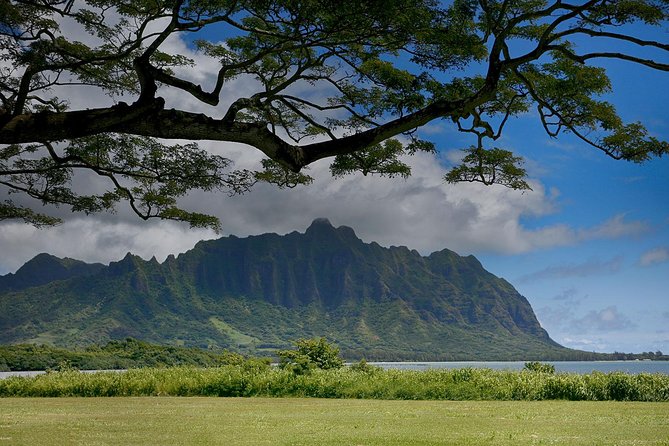
One included item you should take advantage of is the tripods. That matters because sunrise and early morning conditions often mean you might want slower shutter speeds or more stable framing, especially if you’re trying to capture wave texture or tide pool details.
The tour uses an air-conditioned 12 passenger van, which is comfortable for the drive time. You’re also getting pickup and drop-off, so you avoid the mental load of coordinating transportation first thing in the morning.
A practical point: if you plan to shoot with a camera that needs extra time to set up, build that into your habits. Tripod shooting can be slower, and your guide’s job is to keep the day flowing while still letting you get the shot. If you arrive with a clear plan for what you want at each stop, you’ll get more out of the limited time you have outdoors.
What to Expect When It’s Rainy or Uncooperative
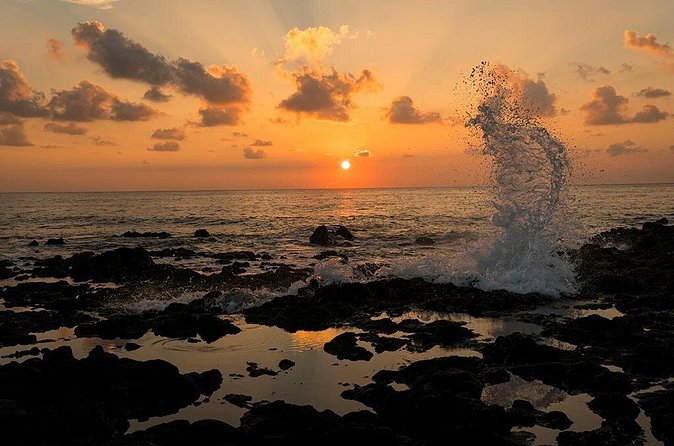
The tour operates in all weather conditions, so you should plan for the day to happen whether it is sunny or wet. That can feel intimidating, but it also prevents the common travel problem where a good-weather window closes and your plans fall apart.
A key mindset helps here: wet weather can create different textures. Rain on the horizon can mute contrast, and water on rocks or in tide pool areas can add shape and reflection. And when sunshine breaks through after rain, the colors can look surprisingly dramatic.
Dress appropriately is the instruction, so treat that as a real cue. Bring layers you can adjust quickly, plus rain protection you can keep using at each stop. If you’re photographing, keep your gear protected too, because coastal spray can be a problem even when it is not heavy rain.
Price and Value: Is $165 a Good Deal?
At $165 per person, you’re paying for more than transportation. You’re paying for early timing, professional coaching, and a planned series of scenic stops across the island.
Here is why that can be good value:
- Round-trip pickup and drop-off from Waikiki saves time and reduces stress.
- Tripods are included, so you are not renting or improvising at the last minute.
- You get a guided, small-group teaching format, which is harder to replicate on your own without spending similar time and energy.
- The route is adapted to weather and season, which improves odds of a satisfying day instead of wasting hours in poor conditions.
What might make it feel less like a bargain:
- Breakfast and lunch are own expense, so your total spend will be higher than the base price.
- If you only want a basic sunrise viewpoint without any photography learning, you might decide the coaching part is unnecessary.
But if you like photography, or you want to upgrade how your sunrise and ocean shots look, the value comes from the mix of access, instruction, and the fact that you are driven to the right places instead of figuring it all out yourself.
Who This Tour Fits Best (And Who Should Think Twice)
This Sunrise Plus Island Tour is a strong match if:
- You want a photo-focused day with practical guidance on composition and settings
- You prefer a small-group experience where questions can get answered
- You hate driving challenges on vacation and want pickup and drop-off
- You care about sunrise timing enough to get up early
It might be less ideal if:
- You really dislike mornings and do not want a 5:45 am start
- You only want scenic views and have no interest in learning camera basics
- You prefer food that is planned and included, because breakfast and lunch are on your own
Should You Book Sunrise Plus Island Tour?
If you’re the type who brings a camera, loves ocean light, or wants your Hawaii photos to look more intentional, I’d book this. The small-group setup plus tripod support plus real teaching on framing and shutter speed makes the day feel like more than a sightseeing drive. And because the route adapts to weather, you’re more likely to leave with photos you feel proud of, even if the morning starts gray.
If you want an easy, laid-back morning with zero gear and no photo instruction, you might skip it and just plan your own sunrise stop. But for people who want sunrise plus coaching, this tour has solid value and a clear point of view.
FAQ
What time does the Sunrise Plus Island Tour start?
The start time is 5:45 am.
How long is the tour?
It runs for about 8 hours 30 minutes.
What’s included in the price?
The tour includes tripods, hotel pickup and drop-off, and transport by an air-conditioned 12 passenger van.
Is breakfast or lunch included?
No. Food and drinks are not included, and lunch is specifically listed as not included. You will have a quick breakfast stop and lunch is on your own.
Does the tour run in bad weather?
It operates in all weather conditions, and you should dress appropriately. If it is canceled due to poor weather, you will be offered a different date or a full refund.
What is the group size?
This tour has a maximum of 6 travelers.
What is the cancellation window for a full refund?
You can cancel up to 24 hours in advance for a full refund. If you cancel less than 24 hours before the experience starts, the amount paid is not refunded.
More Tours in Honolulu
More Tour Reviews in Honolulu
Not for you? Here's more nearby things to do in Honolulu we have reviewed








Oahu Circle Island Tours, compared.
 ★ 5.0Oahu Grand Circle Island and Haleiwa Tour: 9-Hr Deluxe ExperienceFrom $14017,387 reviews
 ★ 5.0Grand Tour Around Island 16 Locations plus SnorkelingFrom $1098,669 reviews
 ★ 5.0Majestic Circle Island Tour with LunchFrom $1817,014 reviews
 ★ 5.0Oahu Circle Island Tour with Turtle Snorkeling— Small-GroupsFrom $1495,214 reviews
 ★ 5.0Oahu Circle Island Tour with Waimea WaterfallFrom $1543,912 reviews
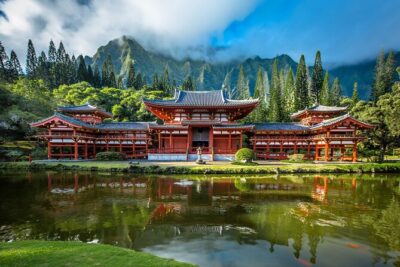 ★ 5.0Hidden Gems of Oahu Circle Island Tour with Byodo In TempleFrom $1463,450 reviews
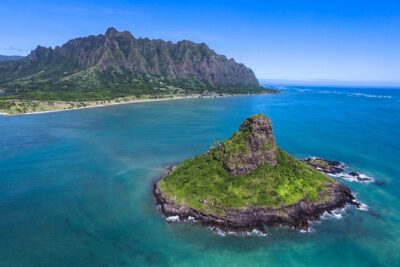 ★ 5.0All Inclusive Ultimate Circle Island Tour, Waimea Falls & LunchFrom $1563,067 reviews
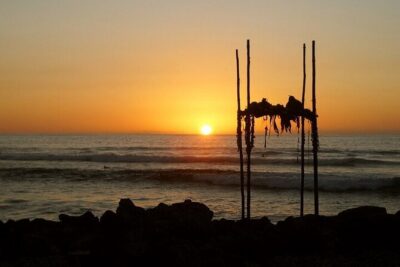 ★ 5.0Oahu Grand Circle Island Experience from WaikikiFrom $992,317 reviews
Browse the lists this tour appears in