
REVIEW · OAHU KAYAK & PADDLE TOURS
Stand-Up Paddle Yoga
SUP Yoga on Oahu: a beach-to-water class
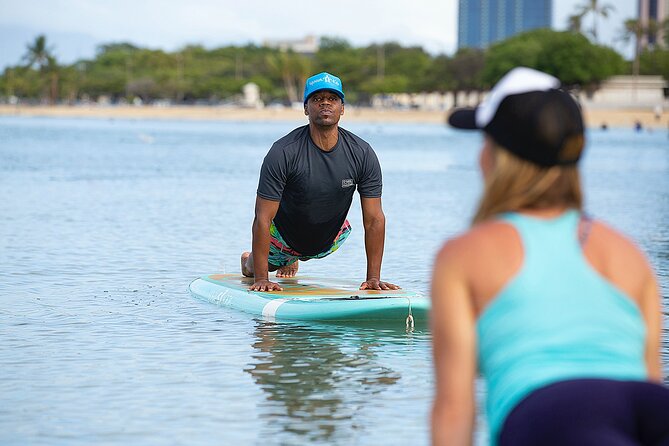
Floating yoga on an anchored SUP is a simple idea with a big payoff, and Oahu is the perfect place to try it. You meet at the beach, walk out with the boards and anchors, then practice on a floating platform guided step by step.
I like that the class starts slow. You tune into breath, learn how the board moves under you, and only then move into more active standing postures. I also like that the instructor tailors the session to your experience, so beginners are not thrown into the deep end.
One drawback to consider is reliability. There have been reports connected to the Yoga Kai operation in this area that point to missed meetups or incorrect contact details. Before you go, double-check the latest confirmation and how you will reach the provider.
Key things to know before you book
- You practice while anchored: the boards are anchored down so the session is steadier than true free-paddling.
- Your first minutes are about balance: you start with breath and getting used to the floating surface.
- Standing postures come next: you’ll do variations of standing poses in a guided flow.
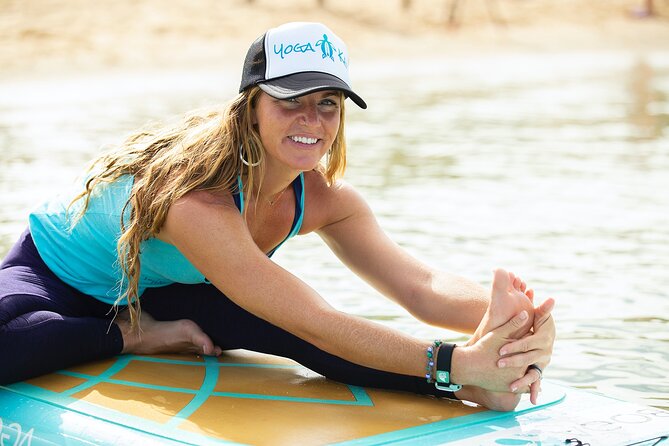
- Restorative work leads to savasana: the class finishes with calming positions and a relaxed end.
- All equipment and instruction are included: you do not need to bring a SUP board or yoga gear.
- Good weather matters: if conditions are poor, the activity can be moved or refunded.
More Oahu tours and island experiences worth comparing
Floating Yoga on Oahu SUPs, anchored in place
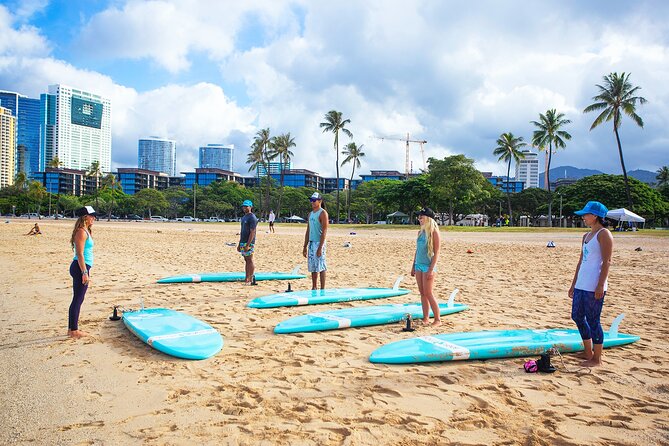
SUP yoga is not just yoga with a different location. It is yoga plus a moving, slightly unpredictable surface. That sounds intimidating, but this experience is built to help you learn the feel of the water before you do anything that looks like a challenge pose.
The format is straightforward. You start on shore with a quick introduction to your floating yoga studio. Then you wade into the water at the practiced location, anchor the SUP so it stays put, and settle in for the class. That anchoring piece matters. It shifts your focus from constant catching-your-balance paddling to the actual yoga work, breath control, and posture.
Oahu makes it even easier to fall into the rhythm. Even without chasing famous viewpoints, the setting gives your body a reason to slow down. Salt air, open water, and the gentle shift of the board under you make it feel like the class is happening in a real-time moving studio, not a class designed for a gym mat.
Beach meetup to floating studio: what the first 15 minutes look like
Expect a meet on the beach for an introduction. The guide sets the tone right away and brings you into the process instead of dumping you onto a board and hoping for the best.
Next comes the hands-on part: you walk out with the SUP boards and anchors. Then you wade into the water to the practice spot and anchor down together. The walking and setup are part of the experience. They teach you where your gear is, where the board sits, and what it feels like when the water changes around you.
If you are the type who hates uncertainty, this is a good class style. You will not be guessing what to do. You get instruction and the teacher guides you through the sequence, including how to move on and off the board safely.
One practical thing to note: since the activity ends back at the meeting point, you are not planning a half-day adventure that turns into a whole travel saga. It is a tight, focused window that still feels special.
Breath and balance: the slow start on water
The class begins by going slow on purpose. You will start by tuning into breath and letting your body adjust to the floating surface. This is not wasted time. If you skip this step in any water activity, your muscles tense up and your brain goes into survival mode.
Here, the teacher leads you through the basics of feeling stable. You learn how the board responds to weight shifts, how your feet can settle, and how your core and legs can help without stiffening. That is a huge help for anyone who is new to SUP or new to yoga on a surface that does not feel flat.
I like that the instructor tailors the class to your experience. That usually means you will not get the same exact pace or intensity as someone who already knows what they are doing. You can stay present and keep your balance, while still getting a real yoga session.
If you have a yoga practice already, this slow start still helps. It is a chance to focus on alignment cues and steadiness instead of chasing speed. If you are brand new, it helps you build confidence before you move into standing variations.
Standing postures and variations without feeling rushed
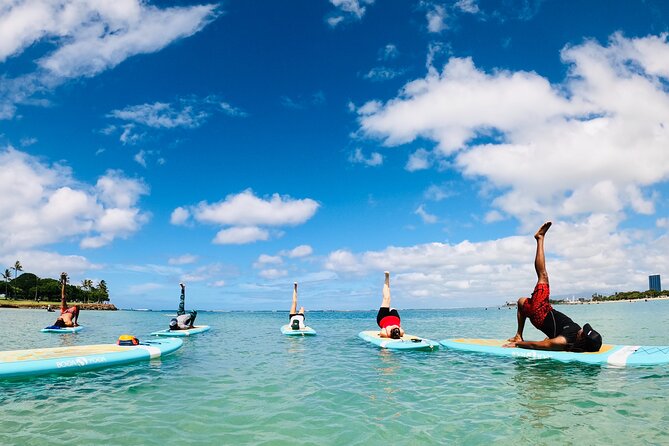
After the slow introduction, you move into a more energetic flow, with different variations of standing postures. The point is not to show off, it is to work with the instability in a controlled way.
Standing on an anchored SUP can feel different from standing on land. Your feet have to grip and adjust. Your hips may feel like they are doing extra micro-corrections. The teacher’s job, and the reason this format can work for many people, is guiding your stance and pacing so you can practice without fighting the water.
This is the part of the class that is most likely to feel challenging. If you tend to overthink your balance, you will want to keep your focus on breath and the teacher’s cues. If you tense up, it tends to make balance worse, so the earlier breath work becomes your anchor later in the session.
Also, because it is a guided flow, you are not stuck wondering what comes next. That matters on water. Uncertainty can turn a manageable effort into a stressful one fast.



Restorative positions and savasana on a floating surface
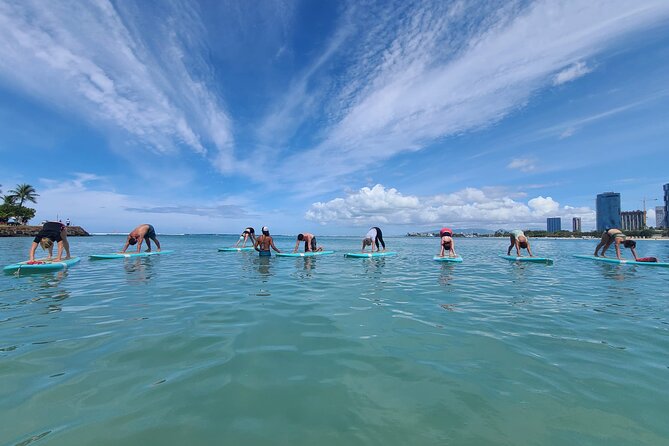
The final stretch is where this class earns its wow factor. You slow down into restorative postures and finish with a savasana described as especially sweet.
Even without knowing the exact pose list, you can predict the purpose. Restorative work on a floating board is calming, but it also keeps your body attentive. You are not just lying down and letting your mind wander. The environment keeps you present, and the teacher’s pacing helps you settle.
Savasana is often a mental and physical reset on land. On water, it also becomes a lesson in surrender. The board will move a little. Your job is to let your body soften into that fact instead of bracing against it.
If you like yoga for stress relief and you enjoy being in nature, this ending is the best reason to take the class. It turns a physical activity into a full-body reset.
Two tour times, and how to pick the best one on Oahu
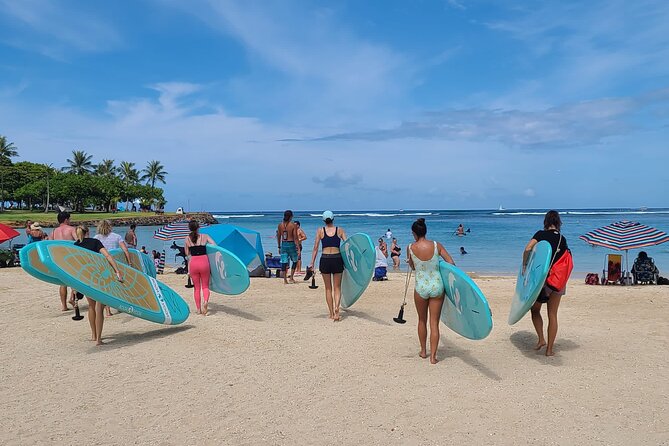
You can select from two tour times. That might sound small, but in Hawaii, the timing can change how the session feels.
When you are choosing between the two options, think about two things:
- Your personal energy level for a standing-based flow
- The weather stability during your planned window
This activity requires good weather. Wind, choppy water, or poor conditions can affect whether you go out as planned. Since the schedule is short, you do not want to pick a time when you are likely to be tired or rushed.
If you are flexible, I would pick the time that gives you a calm start and a smooth finish on the rest of your day. SUP yoga is short, but it still needs mental focus.
What you need to bring, and what they handle for you
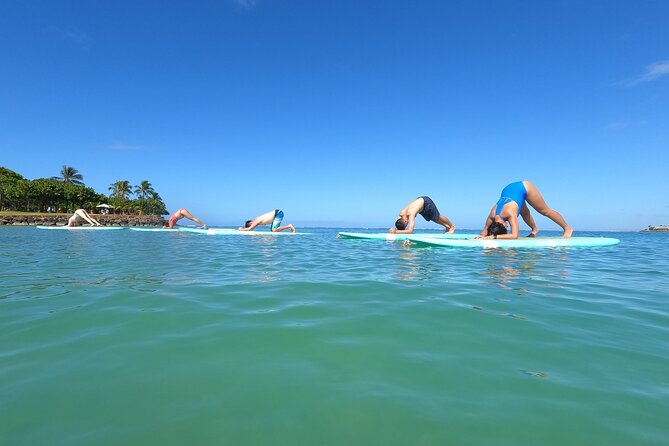
The good news is that you do not need to show up with your own board. The experience includes all necessary equipment and instruction.
That means your planning is simpler. You mainly need to show up ready to be on the water. The class begins on the beach, then moves to the floating anchored session. So you will want to be comfortable with wet conditions and with the idea that you might get splashed.
Because the location is near public transportation, you might not need a car. That can be a real advantage on Oahu, where parking and traffic can slow your day down.
The tour is also private, meaning only your group participates. That tends to make instruction easier and more personal, especially if you are a beginner or you have specific concerns about balance.
Skill level and who this really suits
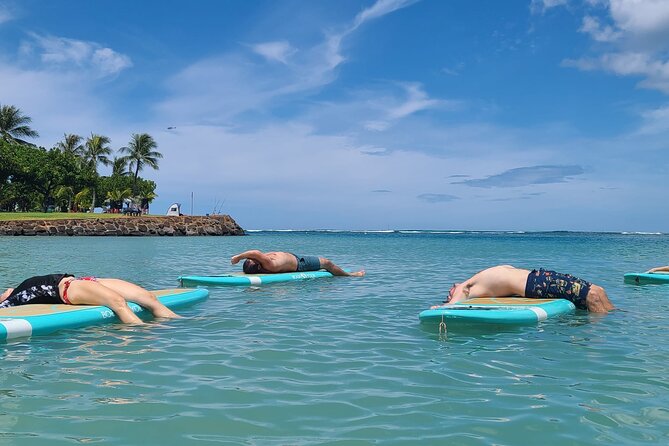
The session is described as suitable for most travelers. That is consistent with a class that begins slowly, teaches you how to handle the board, and progresses in a controlled way.
Here is how I would judge fit based on the structure:
- If you are comfortable standing and moving through basic yoga sequences, you will likely enjoy the standing flow portion.
- If you are nervous about balancing, the anchoring and the slow start can make it more manageable.
- If you want relaxation more than athletic challenge, the restorative ending and savasana should feel like the best part.
If you have mobility limitations, you might find some standing variations challenging. Since the teacher tailors the class, you can often choose safer options, but you should still consider your comfort with standing on a moving surface.
If you hate the idea of trying something new at all, you might find the first few minutes mentally uncomfortable. But the class is designed to ramp up gradually.
Price and value, plus a reality check on provider reliability
You should think of this class as a packaged experience, not just a yoga session. The included equipment, the anchored board setup, and the guided instruction are the value. You are paying for the whole experience, including the labor of bringing boards and anchors to the water and teaching you how to use them for yoga.
That said, value is only valuable if you actually get the service. There have been reports of Yoga Kai failing to show up, using an incorrect phone number, and in at least one case being tied to a provider that was allegedly out of business in that area for years. That is serious.
So here is the practical move:
- Book in a way that gives you a safety net, like using the free cancellation window when plans are uncertain.
- Right before your time slot, confirm the latest meet instructions and ensure your contact details are correct.
- If the phone number or messaging route looks unreliable, fix that before you commit travel time.
If it is operating normally, you get a rare mix of yoga and ocean setting without needing a personal SUP setup. If it is not, you will waste time and lose momentum for the day. I would not treat that risk as a minor footnote.
Weather, minimum numbers, and how to stay flexible
This experience requires good weather. If conditions are poor, you will be offered a different date or a full refund. It also has a minimum number of travelers, so if that minimum is not met, there is another built-in fork in the road.
Because the class is only about 1 hour 15 minutes, you want a plan for what happens if it shifts. I recommend keeping the rest of your schedule flexible, especially if your trip is packed.
The near public transportation location can make shifting easier. You can likely adjust without needing a full logistical reset.
Should you book this SUP yoga class?
If you want an ocean-nature yoga session and you like the idea of starting slow, building balance, then ending with restorative calm, this is the right kind of activity. The anchored SUP setup and tailored instruction are exactly what you want for an experience that feels adventurous but still guided.
But do not book blindly. Given the reliability concerns tied to Yoga Kai in this area, your best strategy is to confirm operational status close to your date and keep your plans flexible. If you do that, the experience concept is strong: floating yoga on Oahu with all equipment provided, a clear step-by-step class structure, and a finish that is designed to help you actually relax.
If you are okay making a quick call to verify details and you value a short, focused nature-based activity, then yes, it can be a great pick.
FAQ
How long is the Stand-Up Paddle Yoga experience?
The experience lasts about 1 hour 15 minutes.
Where do we meet for Stand-Up Paddle Yoga?
The start location is Unnamed Road, Honolulu, HI 96815, USA. The activity ends back at the meeting point.
Is the tour private or shared?
This is a private tour or activity, and only your group participates.
What is included in the class?
All necessary equipment and instruction are provided, including the SUP boards and anchors for the anchored practice.
What happens when you arrive at the beach?
You meet for an introduction, then walk out with the SUP boards and anchors, wade into the water, and anchor down to practice.
What language is the tour offered in?
The experience is offered in English.
Do I need to be an experienced yogi or SUP rider?
Most travelers can participate. The guide tailors the class to your experience, and the session starts slowly.
What if the weather is bad?
This activity requires good weather. If it is canceled due to poor weather, you will be offered a different date or a full refund.
Are there multiple start times to choose from?
Yes, you can select from two tour times to match your schedule.
What is the cancellation policy?
You can cancel for a full refund up to 24 hours in advance of the experience start time. If you cancel less than 24 hours before the start time, the amount you paid is not refunded.
More Kayak & Canoe Tours in Oahu
More Tour Reviews in Oahu


Not for you? Here's more nearby things to do in Oahu we have reviewed






Oahu Kayak & Paddle Tours, compared.
 ★ 5.0Kailua Bay, Oahu: Epic Kayak and Snorkel to IslandsFrom $1141,311 reviews
 ★ 5.0Kailua 2-Hour Guided Kayaking Excursion, OahuFrom $199442 reviews
 ★ 5.0Kailua Twin Islands Guided Kayak Tour, OahuFrom $275379 reviews
 ★ 5.0Self-Guided Kayaking Discovery in Kailua, OahuFrom $110249 reviews
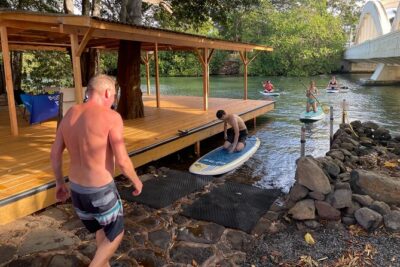 ★ 5.0Haleiwa River Paddle Board Rental with Blue Planet Adventure Co.From $39215 reviews
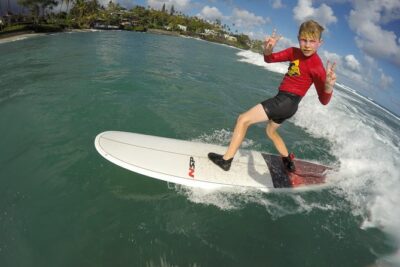 ★ 5.0Family, Private & Group Standup Paddle Lessons in WaikikiFrom $118143 reviews
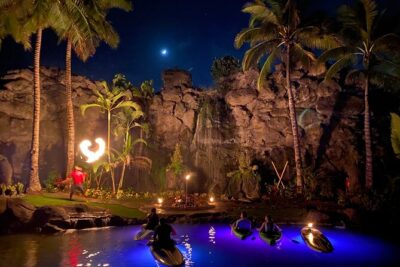 ★ 5.0Lunar Legends Night Stand up Paddle Kayak Water ExperienceFrom $107141 reviews
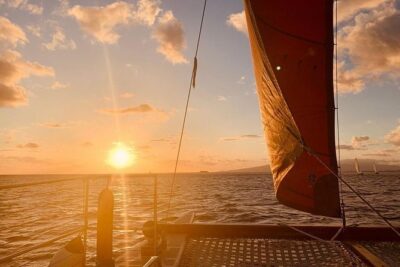 ★ 5.0Polynesian Canoe Sunset Sail126 reviews
Browse the lists this tour appears in