
REVIEW · OAHU SCUBA & WRECK DIVES
Oahu: Shallow Reef Scuba Dive for Certified Divers
You get sea turtles fast on this Oahu reef session.
It is a tight 3-hour block with two guided reef sites in clear Southern Oahu water, run by PADI-certified pros and focused on finding marine life without wasting time.
What I really like is the combination of solid organization and a crew that knows where the critters are. I also like that you get premium gear rental plus snacks and refreshments, so you are not burning your vacation planning equipment.
The one thing to consider is that this is not for first-timers: you need proof of certification, you must be comfortable swimming, and you should not fly within 24 hours after your water time.
Key highlights you will feel right away
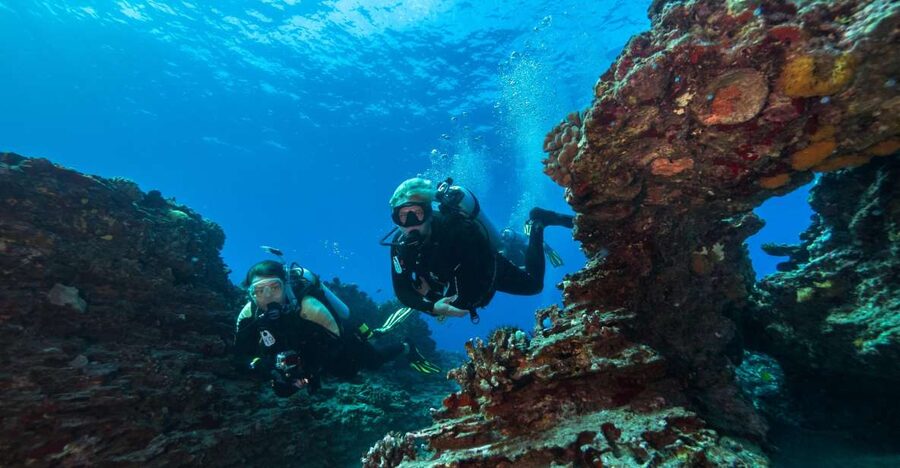
- Two reef sites in one outing, typically Kaiser’s Reef and Turtle Canyons
- PADI-certified instruction geared to certified divers, with safety briefings before you go in
- Shallow reef conditions that make it easier to stay relaxed and enjoy what you see
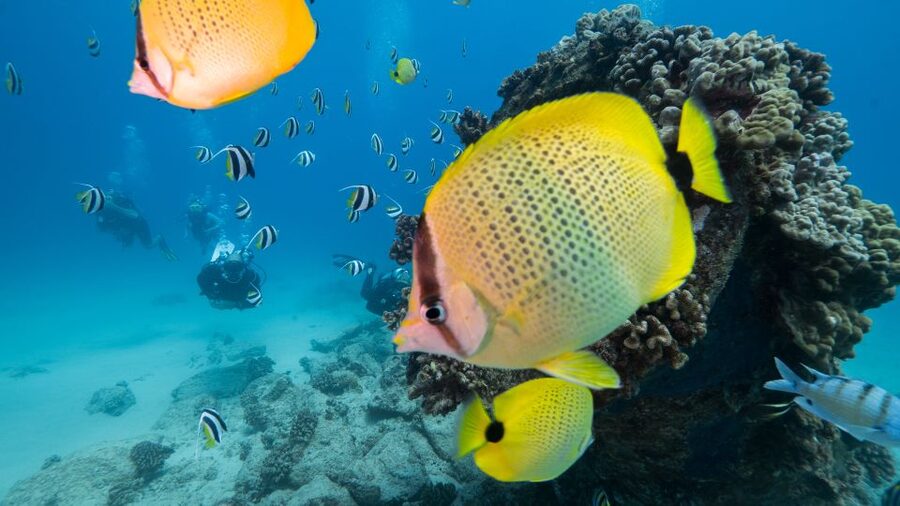
- Wildlife-focused spotting, including lots of turtles, plus chances at reef sharks and colorful reef fish
- Add-on options like GoPro rental, DPV underwater scooter, and Nitrox tanks if you want to upgrade
Reef Time Near Ala Moana: What This 3-Hour Format Delivers
Ala Moana is convenient, and convenience matters when you are paying attention to timing underwater. This outing runs about 3 hours total, built around a 25-minute safety briefing and then two guided water sessions that each clock in around 75 minutes. You feel that structure when you are on the boat, because it reduces the “wait around” part of day trips.
The value here is not just the reef access. It is how the time is used. A short outing is ideal if you want a real underwater experience but you still want the rest of your day for beaches, food, or a quick drive up the coast. The reefs used are in Southern Oahu waters, the kind of area where you can often expect clear visibility and active sea life.
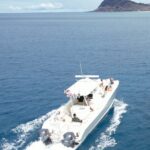
You will be on one of Dive Oahu’s newer 46-foot Newton dive boats, with comfort and amenities onboard. In practice, that means less scrambling and more comfort before you suit up, plus a predictable rhythm from waivers to equipment fitting to briefing to entry.
One more practical note: the itinerary includes guided time with snorkeling and scuba activity listed for both water blocks. If you are a certified diver, your attention will likely be on the scuba portion, but it is worth knowing that the overall plan is not purely “everyone in the water at once.” You are going to spend the bulk of your time in the water for each leg.
You can also read our reviews of more scuba diving tours in Oahu
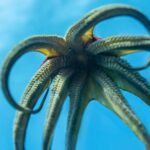
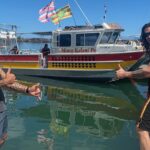
Meeting at the harbor: gear fit, waivers, and the pre-water reality check
Plan to arrive 30 minutes before your start time. That buffer is not optional fluff. You need time for waivers and for equipment fitting, and that is part of staying calm instead of rushing. If you have ever shown up late for a boat day, you know how quickly it turns stressful.
The crew conducts a safety briefing right after you meet at the Dive Oahu dock at Ala Moana. You should expect it to cover the rules and logistics you need for the conditions that day. Also note the language requirement: you must be able to understand verbal English, so if that is a weak spot for you, it is worth considering before booking.
What is included helps you prepare. You get premier gear rental, plus snacks and refreshments onboard. That matters because it lowers the friction of traveling with all your own equipment. If you do bring your own gear, the time you save is not huge compared to the fitting process, but it can still reduce minor hassle.
You also need to bring the basics on your side: swimwear, a towel, and sunscreen, plus your diving certification proof. Before boarding, you will be asked to show it, either PADI or another approved course.
Quick “are we good to go?” checklist
- You can swim and you are in good health
- You understand verbal English
- You can show your certification before boarding
- You are not planning to fly within 24 hours after your water time
Kaiser’s Reef: the first shallow-water taste of Oahu marine life
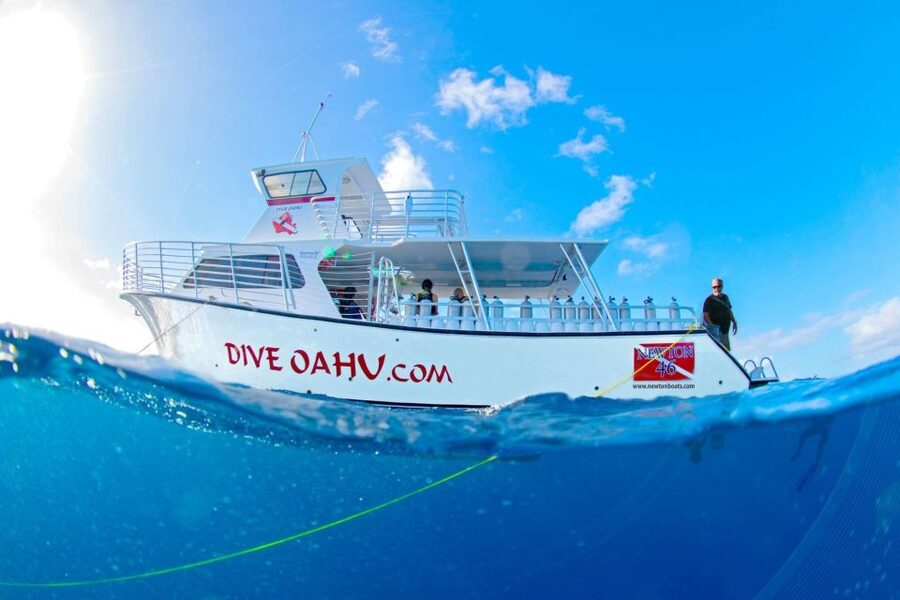
Your first underwater leg is around 75 minutes, guided, and focused on a shallow reef site in Southern Oahu. Kaiser’s Reef is one of the locations highlighted, and it tends to be the kind of place where you can enjoy the structure of the reef without fighting deep water conditions.
What you should take from this first session is not “one specific animal.” It is the chance to get your bearings early. The shallow setting is helpful because you can focus on breathing, buoyancy, and moving slowly. Slow wins here, because reef life notices quick movements.
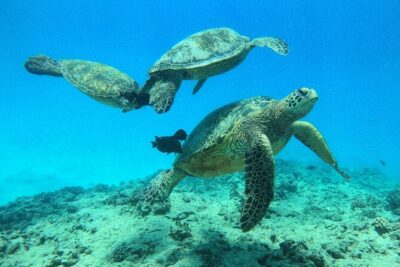
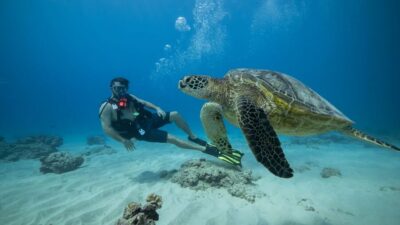
From the experience notes and the strongest feedback from past divers, turtles are a big theme. You may see Hawaiian green sea turtles and other reef wildlife as you move along the formations. One review specifically called out sea turtles and also mentioned two white tip reef sharks. That is not a guarantee, but it tells you the area can support larger, more dramatic encounters alongside the smaller colorful reef fish.
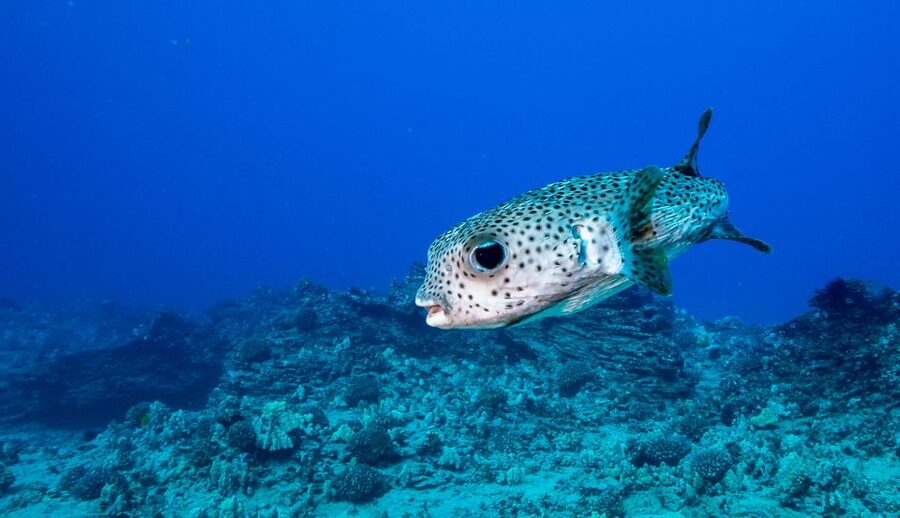
You should also keep an eye out for endemic and reef-associated species. Even when you are not sure of names, you can recognize the patterns: fish that hug the rock edges, smaller schooling fish that flash and disappear, and the occasional larger animal that glides with zero urgency.
If you want to photograph, you can. You may also request add-ons like a GoPro rental ahead of time. Just remember, photography slows you down, so stay mindful of buoyancy and spacing.
Turtle Canyons: sea turtles, volcanic rock, and high-value wildlife spotting
The second reef site is where Turtle Canyons comes in. This is the part that many people imagine when they think of Oahu reef snorkeling and scuba: volcanic rock shapes, coral growth, and animals that look like they belong in a film scene.
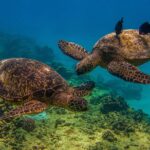
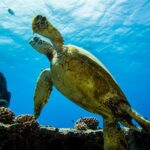
The location is known for Hawaiian green sea turtles, and you also have a chance to spot fish that are associated with these reefs, including Gold Ring Surgeon Fish. Some of the notes also mention the possibility of rarer reef fish like Saddleback Butterflies and Flame Angels. Those names are exciting, but the real takeaway is this: Turtle Canyons is a site where the reef structure gives you repeated “check this area” moments.
You are also more likely to see a mix of behavior, not just a static picture. Expect to watch turtles move through the reef edge, sometimes pausing near formations, and then continuing on. Even if you have seen turtles elsewhere, watching them in this setting often feels more natural because you are close to the way they use the terrain.
Also, this is where the crew’s spotting skill matters. One review praised the instructor’s ability to spot sea life and keep everyone informed so divers were not missing key moments. That is a big deal for value. If you spend money and you only see “whatever happened to pass by,” it can feel random. Good spotting turns the trip into a guided experience with purpose.





What “good spotting” looks like in real time
- The instructor helps you notice wildlife without chasing it
- You get pointed toward what is already there, not what the crew hopes will appear
- Group movement stays controlled, so you do not spook animals just to find them
Crew and boat details that make the day feel smooth
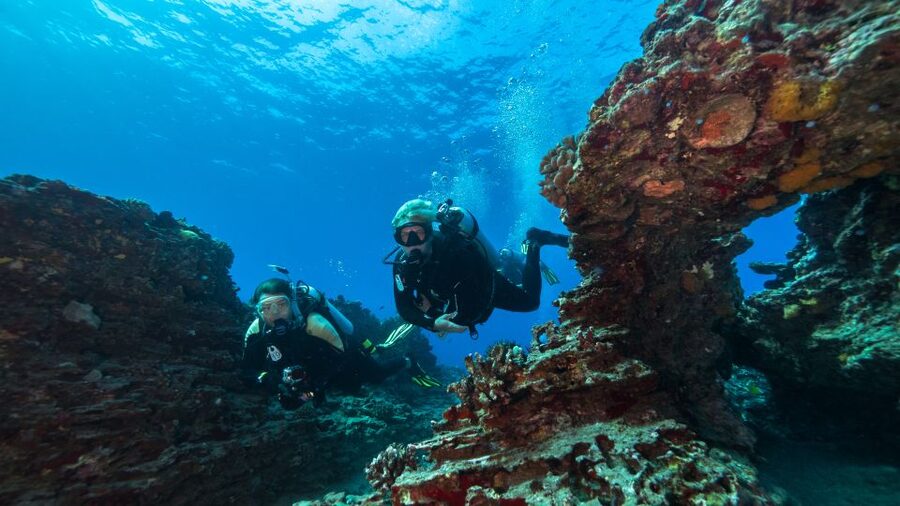
The outing is run by a professional team, and names from past divers are a strong clue you will be in capable hands. One review named the captain Nacho and said he was a great guy. Another review credited Dan as the instructor and praised how carefully he looked after everyone, including being a good spotter of sea life.
That kind of attention is especially helpful if you are a confident diver but still want a plan. It reduces uncertainty. You are not wondering where to look or whether your group is drifting too far behind.
The boats are newer and sized to operate comfortably, including a 46-foot Newton style setup. It is not a tiny skiff. That usually means less pitching stress and more room for organized gear handling. It also supports the kind of safety culture you want: organized waivers, fitting time, and briefings.
And yes, you will get snacks and refreshments onboard. That sounds minor until you realize you are using your energy before and during the outing. A small food and water buffer helps you come back calmer, not shaky.
Price and value: is $248 per person worth it?
At $248 per person for about 3 hours, you are paying for three things at once: local reef access near Honolulu, professional PADI instruction for certified divers, and gear rental plus onboard extras.
If you were to do a do-it-yourself version, the hidden costs pile up quickly. You would still need boat transport, appropriate dive site selection, and a safe operational team. Even if you owned all your gear already, you would still be paying for a crew and the infrastructure that gets you to the reef and back.
This price also makes sense because the trip is efficient. Two guided reef sessions in one outing means you are not buying two separate full days. It is a sweet spot if you are staying in Honolulu and want one strong underwater experience rather than several chopped up half-choices.
Where value can drop is if you end up underusing the included gear and service, or if conditions make visibility less than ideal. But based on the emphasis on crystal clear water in the experience notes and the consistent praise for equipment quality and organization, the baseline expectation is that the operation runs well.
Who should book, and who should skip this reef session
This one is designed for certified divers. Before boarding, you must show proof of certification from PADI or an approved diving course. You also need to be able to understand English during instruction and safety talk.
It is not suitable for children under 10 and it is not recommended for pregnant women. Also, if you have recent health issues, or you are not confident in your swimming ability, do not treat that as a minor detail. “Good health” is part of the requirement set for a reason.
This outing is a strong fit if:
- you want a guided reef experience without turning it into an all-day commitment
- you enjoy shallow reefs where you can focus on wildlife behavior and buoyancy control
- you like the idea of a crew that actively spots animals, not just “follows behind”
It may feel like a weaker fit if:
- you are looking for a beginner-friendly introduction
- you want more than two water legs in a full-day format
- you are planning to fly soon after (remember the 24-hour rule)
Should you book this Oahu reef experience near Ala Moana?
If you are a certified diver and you want a high-odds wildlife reef outing in a time-efficient format, I think this is an easy yes to consider. The biggest wins are clear: PADI-certified instruction, two reef sites like Kaiser’s and Turtle Canyons, and consistent feedback about turtles and organized safety. Add in premium gear rental and onboard snacks, and the $248 price starts to look like buying a smooth, guided experience rather than just purchasing a spot on a boat.
Book it if your priorities are turtles, reef fish, and a crew that helps you see more during the limited time. Skip it if you do not meet certification and health requirements, or if the timing conflicts with the no-fly window.
FAQ
Where is the meeting point, and can I park nearby?
Meet at Dive Oahu at Ala Moana. If you are driving, you can park at Kewalo Basin for $2 an hour or at Ala Moana Beach Park for free.
How long is the experience?
The activity runs for about 3 hours total, including a safety briefing and two guided water sessions.
Do I need diving certification?
Yes. You must show proof of certification through PADI or another approved diving course before boarding.
What do I need to bring?
Bring swimwear, a towel, sunscreen, and your diving certification. Plan to arrive early enough for waivers and equipment fitting.
When can I fly after scuba?
You must not fly within 24 hours after diving.
Are there add-ons if I want extra gear or enhancements?
Yes, add-ons can be requested while booking, including GoPro rental, DPV underwater scooter, Nitrox tank rental, a private guide, and/or a private photographer.
More Scuba Diving Tours in Oahu
More Tour Reviews in Oahu

Not for you? Here's more nearby things to do in Oahu we have reviewed




Oahu Scuba & Wreck Dives, compared.
 ★ 5.0First-Time Scuba Diving in Honolulu + Free VideosFrom $893,123 reviews
 ★ 5.0Beginner Scuba Diving Experience with Video Package in HonoluluFrom $77877 reviews
 ★ 5.0Certified Diver: 2-Tank Deep Wreck and Shallow Reef Dive Off OahuFrom $248331 reviews
 ★ 4.5Incredibly Fun Coral Reef Giant Sea Turtles 4hour Boat Scuba TourFrom $299300 reviews
 ★ 5.0Certified Diver: 2-Tank Shallow Reef Dives off OahuFrom $141278 reviews
 ★ 4.5Waikiki 2 Tank World Class Wreck SCUBA Diving – Certified OnlyFrom $269205 reviews
 ★ 5.0DISCOVER Scuba Diving Experience in HonoluluFrom $141202 reviews
 ★ 4.8Waikiki Discovery Scuba Diving for BeginnersFrom $27099 reviews
Browse the lists this tour appears in