
REVIEW · OAHU SCUBA & WRECK DIVES
Oahu Night Dive: Adventure for Certified Divers
Night ocean magic starts fast on Oahu. This 3-hour certified night scuba experience sends you to two famous south shore underwater spots, one at twilight and one when it’s truly dark. I especially love the included full gear setup, and how the timing shifts from day-to-night life to creatures that only show up after sunset. One thing to consider, you’ll need to be comfortable in the water and provide proof of certification before you go.
You also get a small-charter feel, not a big, chaotic crowd. There’s a safety briefing first, then two separate guided underwater sessions with a break in between. If you’re hoping for a calm, casual swim with zero challenges, this is still an active scuba outing that follows standard fitness and health expectations.
Key highlights worth your attention
- Two guided night underwater sessions for a longer wildlife window in changing conditions
- Twilight then complete darkness, so you see how ocean life switches on
- Included gear package, including tanks, weights, BCD, fins, wetsuit, and underwater lights
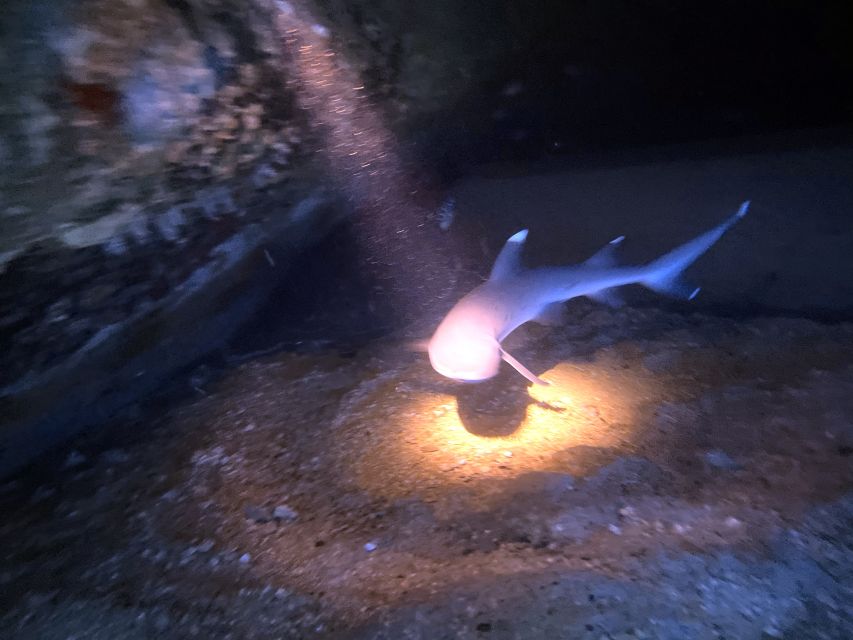
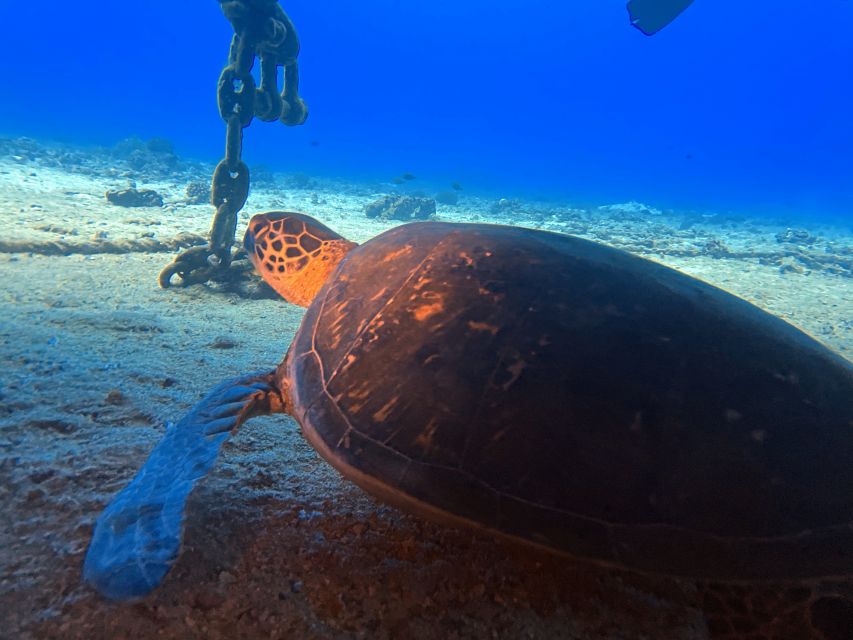
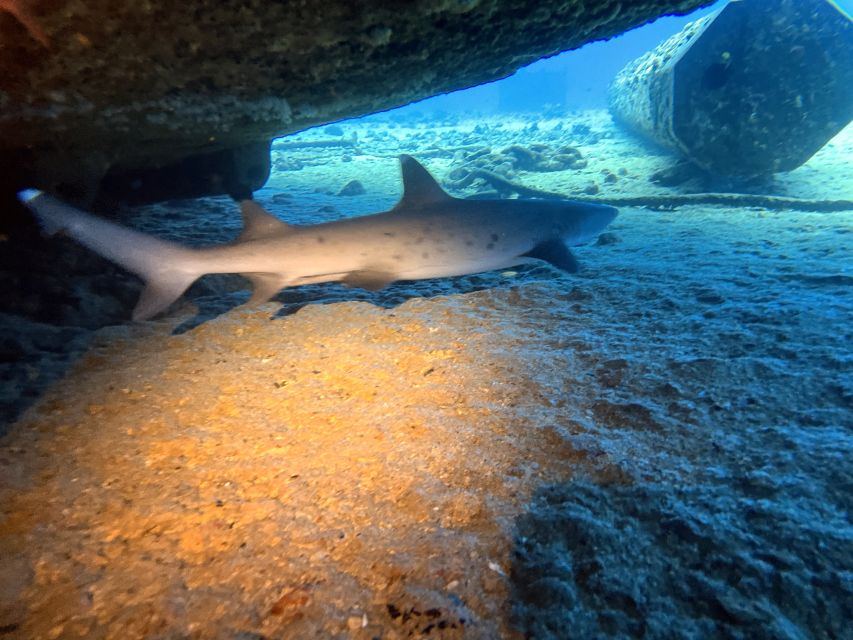
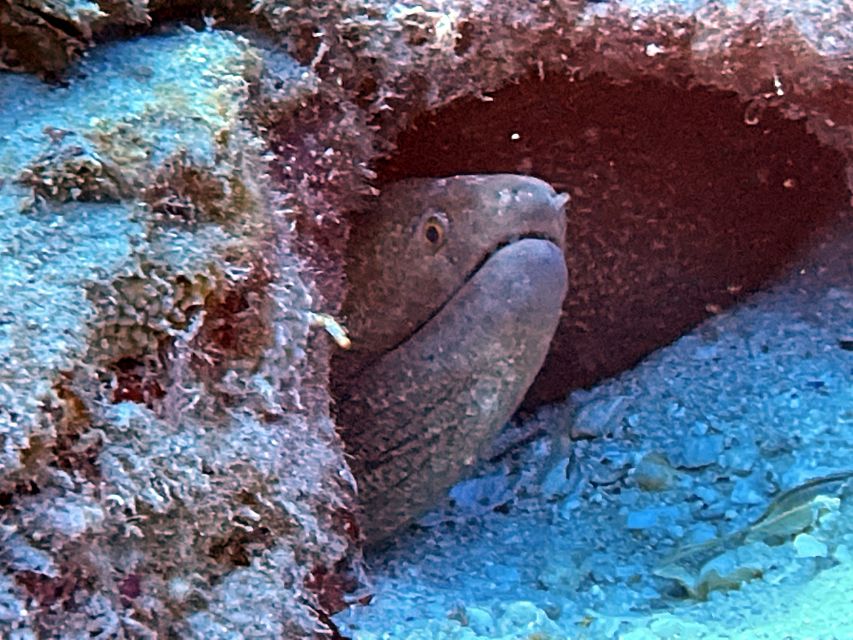
- South shore wildlife possibilities like sharks, turtles, eels, rays, and dolphins
- Built-in surface break with snacks and refreshments, so you recharge before the second session
A 3-hour plan that really uses the dark: briefing, twilight, then black water
This experience is built around a simple idea: night is not one thing. You start with a calm setup phase, then you move from twilight conditions, where some daytime habits fade out, into true darkness, where other animals feel more confident and show up more often.
You begin with a 25-minute safety briefing before anything happens underwater. That time matters more than it sounds, especially on a night outing. If you’re new to night conditions, you’ll learn how to handle your gear checks, light discipline, and signals with a guide who’s running the show.
Next comes the first guided underwater session for about 1 hour. The plan is timed for twilight on a well-known south shore reef area. That means you’re not waiting until it is pitch-black to start seeing life. Instead, you get that in-between moment where visibility, animal behavior, and your own comfort level all ramp up.
Then there’s a 30-minute break on the surface with snacks and refreshments. I like this part because night schedules can feel intense. Having food and a real pause helps you reset your breathing, warm up a bit, and focus before the second session.
The second guided underwater session runs another 1 hour. This is the complete darkness segment, where the included underwater lights matter a lot. You’re not just swimming around, you’re following a guide in a controlled, structured way while night creatures do their thing.
You can also read our reviews of more evening experiences in Oahu


What “included premier gear” means for your comfort at night
The gear package is a big reason this trip is good value, because it removes a lot of friction. You’re not trying to rent tanks, wetsuit, BCD, fins, weights, and lights across different places on Oahu. Instead, you show up and you get the full kit that’s meant for this kind of underwater work.
From the details you’re given, the included setup covers the basics plus the night-specific tools:
- 2 tanks for the two underwater sessions
- Underwater lights (complimentary) for the dark portion
- Wetsuit
- Weights
- Fins
- BCD
At night, the wetsuit and weights aren’t just “equipment.” They help you stay stable when you are concentrating on buoyancy and light position. If you’ve ever tried to do night scuba with gear that doesn’t quite fit, you know how quickly it turns into stress. A packaged setup is a practical way to lower that risk.
One more practical note: you still need to bring swimwear and a towel. Even with gear handled, you’ll appreciate having something dry to change into after your final surface stop.
The twilight session: reef transition and the life that shifts with the light
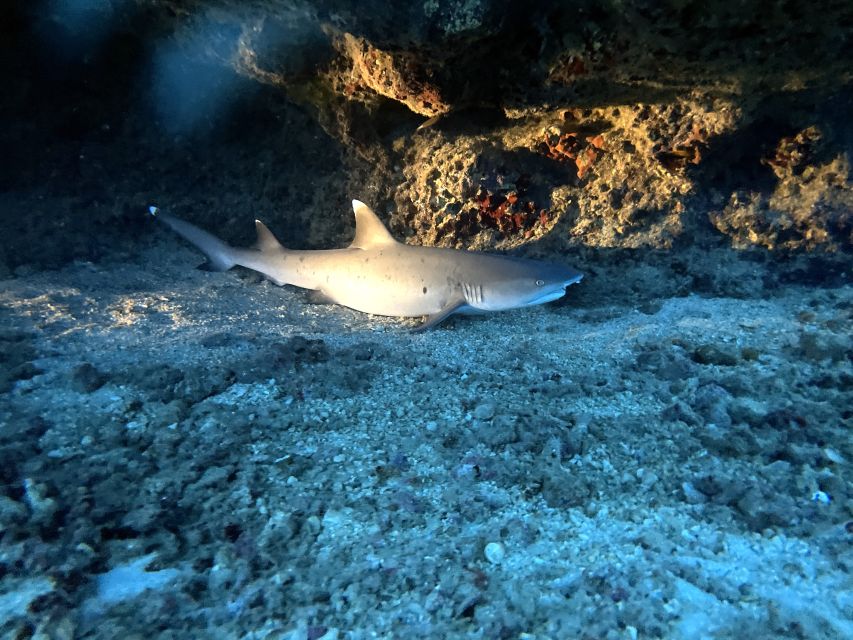
The first underwater session is designed around twilight. That’s not just a romantic timing choice. Twilight is when ocean life transitions. Some animals that are active during the day slow down, while other creatures begin to move in more confidently.
What you can reasonably expect during this session includes a mix of reef and roaming wildlife:
- sharks
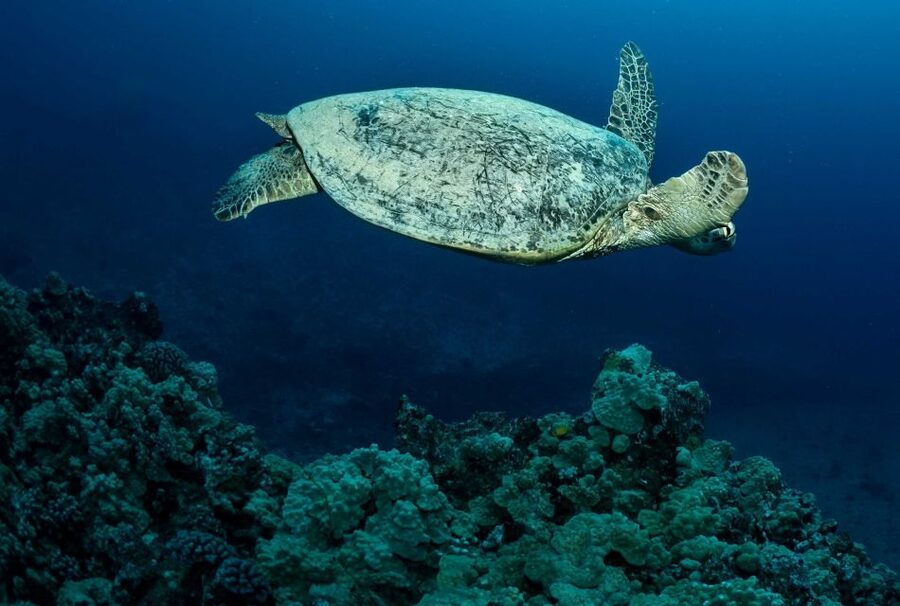
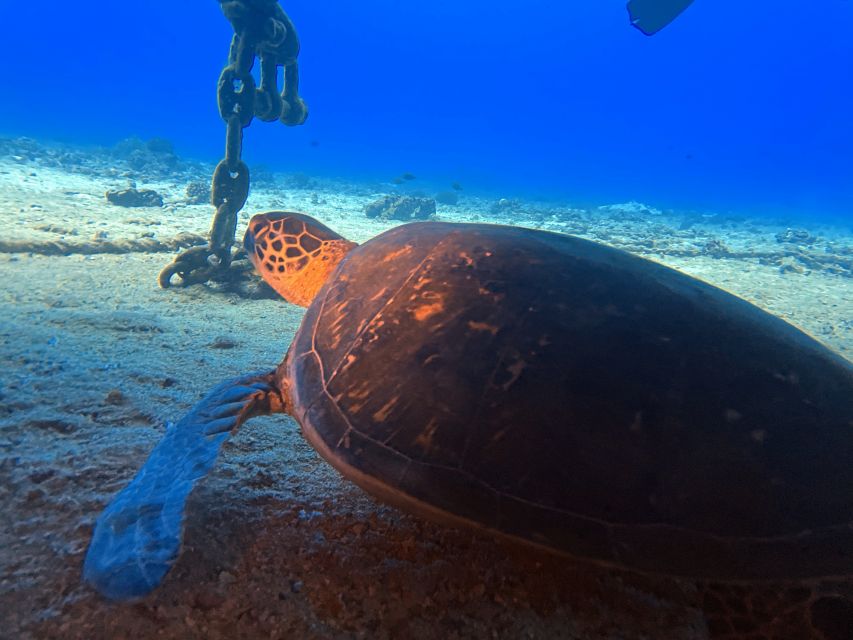
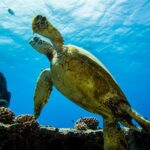
- turtles
- eels
- rays
- octopus
- starfish and crabs
- Hawaiian endemic fish
- plus the chance of other marine life
The phrase reef transition is useful here. It means you’re looking for behavior changes, not just “pretty fish.” You might spot creatures settling into nighttime habits, or you might see day-associated patterns start to fade. Either way, twilight gives you a wider “window of action” than waiting for darkness only.
From a comfort standpoint, twilight is also friendlier. Your underwater light use feels more intuitive. You have a bit more ambient context before it becomes fully dark, which helps if you’re still getting used to night depth control.
The full-dark session: why the included underwater lights matter
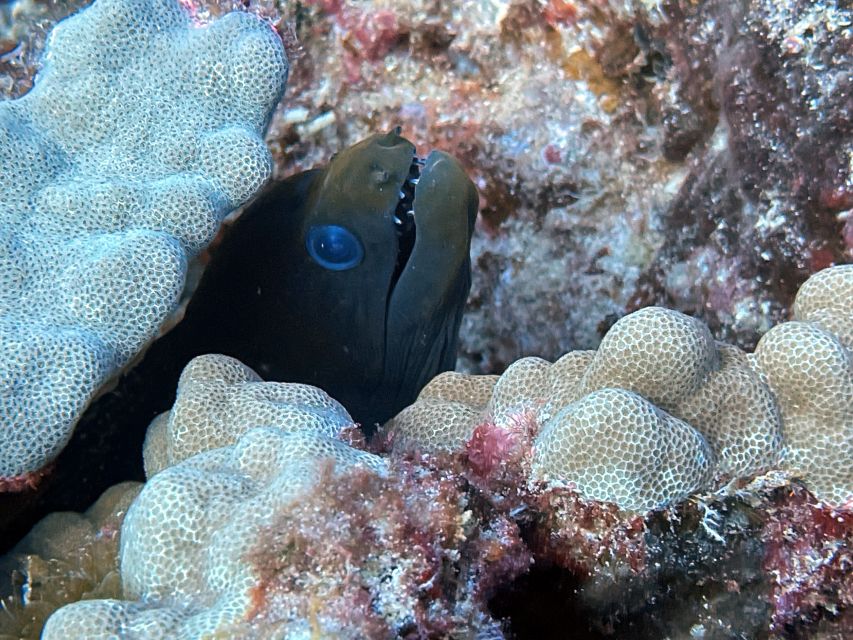
The second underwater session happens when it’s dark enough that you really feel the difference. This is where the ocean becomes less about scenery and more about motion, silhouette, and what appears when your light hits.
You’re told you’ll plunge into complete darkness with the support of your instructor and complimentary dive lights (listed as dive lights in the gear description). Even if you know night scuba basics, having the right light setup is what turns the experience from scary to memorable.
In the dark, you may see more of the creatures that hunt, travel, or hide during daytime. The list includes animals like:
- eels and other reef dwellers
- rays
- turtles and sharks
- plus other marine life you might not notice in daylight
I also like that the plan is guided. In open water darkness, a group that drifts without structure can lose time and energy fast. Here, you’re with a PADI-certified guide, and the experience is built around seeing what comes out in the dark while keeping you oriented.
If you’re comfortable with scuba basics, this segment is usually where the “wow” sticks with you. If you’re not, your guide’s role becomes even more important, because you’ll rely on clear instructions and practiced buoyancy.
South shore Oahu geography: why this area works for night wildlife
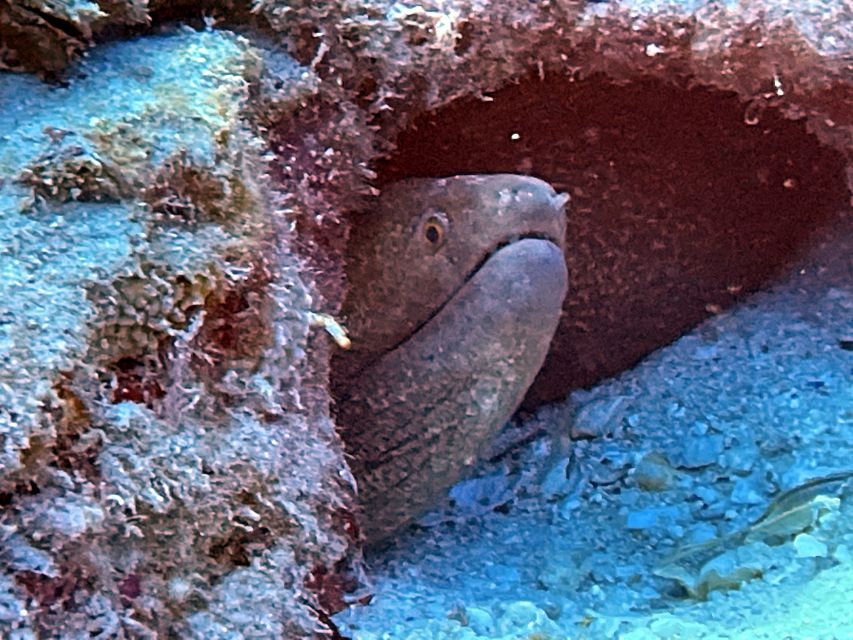
This outing runs off Oahu’s south shore. That region is popular for good reason. South shore scuba spots are known for marine traffic and reef life that can change throughout the day, which is exactly what you want for a night plan.
You’re specifically told you’ll be exploring two of Oahu’s famous underwater sites. The pairing makes sense for a short trip like this. Instead of spending all 3 hours traveling and rushing between random areas, you get two sessions in the same general region where conditions stay workable for both twilight and darkness.
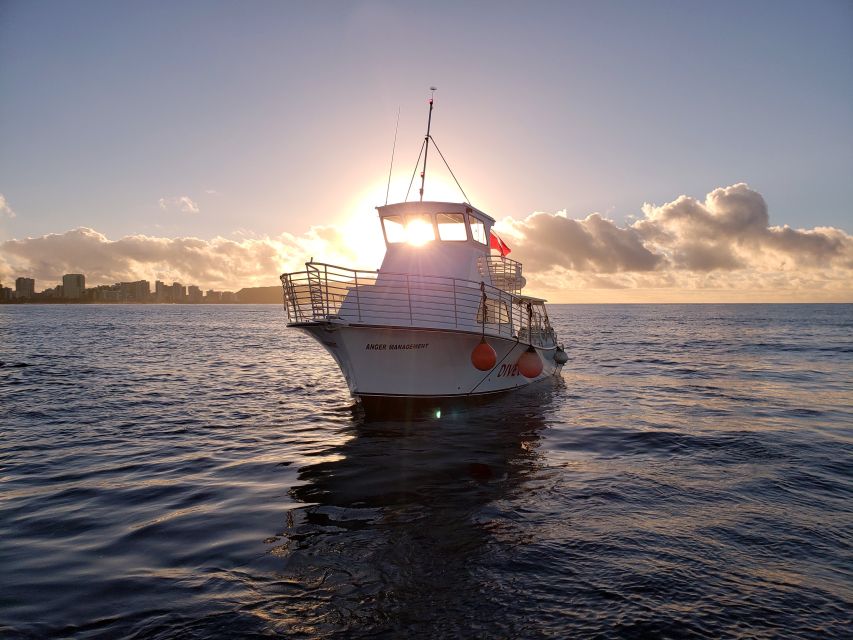
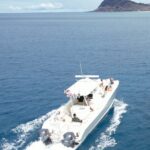
Another geography plus: you ride out on a charter that’s set up for night operations. You get a sun deck and a shaded deck, plus enough room to move around and a restroom onboard. At night, comfort on the boat is not a small detail. It helps you stay warm, settle your gear, and start each underwater session ready.




Charter comfort and pacing: small details that keep the trip smooth
Night scuba can go wrong in small ways: too little space on the boat, unclear timing, or an uncomfortable surface interval. This experience is designed to avoid most of that.
The charter includes:
- a sun deck and shaded deck
- plenty of space to move around
- a restroom onboard
That matters for two reasons. First, it gives you options if you feel chilly before the second underwater session. Second, it reduces the “bunching up” that can happen on cramped boats when you’re trying to organize gear checks.
The schedule also has a built-in rhythm. You start with a safety briefing, then do one session, then take a surface break for snacks and refreshments, and only then go back down again. That pacing is smart. It helps you avoid fatigue and keeps your attention sharp for the second, darker segment.
Price and value: is $248 per person fair for what you actually get?
At $248 per person for a 3-hour experience, you’re paying for a complete, guided night scuba package: not only the guide and the charter, but also the gear that many divers end up renting separately.
Here’s where the value comes from, based on what’s included:
- A 3-hour guided experience built around two underwater sessions
- Premier gear rental, including 2 tanks
- Underwater lights, wetsuit, weights, fins, and BCD
- snacks and refreshments
If you’ve ever priced out night-specific equipment, tanks, and guided charter time separately, the math often stops feeling like a bargain quickly. This is why the “gear is handled” piece matters. You’re not paying again for the same items, and you’re not spending pre-trip time figuring out rentals.
That said, it’s not a cheap splurge for everyone. The main reason is also the main reason you’re paying: you must be certified, you’re doing an active guided scuba outing, and the schedule is tight. You’ll get the best value if you’re ready to use the full experience instead of showing up unsure or uncomfortable.
One practical consideration: parking is not included. You’ll want to plan for that so the day doesn’t start with extra hassle. The information provided gives two options, Kewalo Basin parking at $1 per hour, or free parking at Ala Moana Beach Park.
Who this is perfect for, and who should look elsewhere
This is a great fit if you meet the certification and comfort requirements and want a structured night experience with a guide.
You should strongly consider it if:
- you’re a certified diver and can show proof at the boat
- you want to see marine life at two night stages, twilight and full dark
- you appreciate included equipment, especially underwater lights and tanks
- you’re comfortable following instructions and staying buoyant while using lights
It is not suitable if you:
- are under 15 years old
- are pregnant
- have pre-existing medical conditions
Also, you’ll need to handle the post-scuba rule. You must not fly within 24 hours after diving. Even if you’re only doing one day on Oahu, plan your schedule so this doesn’t collide with departure plans.
What to bring so your night goes smoothly
Even with most gear included, bring the items that keep you comfortable.
You should bring:
- swimwear
- a towel
- your diving certification proof
I also recommend you think about warmth and drying. Night air on the water can feel colder than you expect. Having a towel helps you dry off quickly after the second session, which makes a big difference in how you feel during the boat ride back.
How to find the meeting spot fast, without stress
You meet at the harbor, front row, slip 8. Look for the large picture of the turtle. You should arrive at least 30 minutes before your activity start time.
This early arrival is not just “nice.” It helps you get checked in, confirm certification, get suited up without rushing, and be ready for that safety briefing.
If you’re driving, use the parking guidance you were given. Kewalo Basin is listed at $1 an hour, and Ala Moana Beach Park is free.
Overall verdict: should you book this Oahu night scuba trip?
I’d book this if you want an organized, gear-included way to see Oahu marine life after dark, and you’re excited about the contrast between twilight and complete darkness. The strongest selling points are the two structured underwater sessions, the included equipment package with tanks and underwater lights, and the smart pacing with a surface break plus snacks.
I would not book it if you’re not comfortable with night scuba rules, you hate tight schedules, or you know you might struggle with buoyancy and light control. Also, double-check the health and age restrictions before you commit.
If you’re a certified diver who wants a smooth, guided night experience off Oahu’s south shore, this one is a solid choice for the time you spend there.
FAQ
How long is the Oahu night scuba experience?
It lasts about 3 hours total.
What does the experience cost?
The price is listed as $248 per person.
Is it guided?
Yes. It is a 3-hour PADI-certified guided experience.
Do I need scuba certification to go?
Yes. You must be a certified diver and show proof of your certification at the boat.
How many underwater sessions are included?
There are two guided underwater sessions, each about 1 hour, with a 30-minute break in between.
Is gear included?
Yes. Premier gear rental is included, including 2 tanks, dive lights, wetsuit, weights, fins, and a BCD.
What should I bring with me?
Bring swimwear, a towel, and your diving certification proof.
Is parking included?
No, parking is not included.
Where do I meet for the tour?
Meet at the harbor, front row, slip 8, and look for the large picture of the turtle. Arrive at least 30 minutes before the start time.
Is it okay to fly after the experience?
No. You must not fly within 24 hours after diving.
More Evening Experiences in Oahu


More Tour Reviews in Oahu

Not for you? Here's more nearby things to do in Oahu we have reviewed





Oahu Scuba & Wreck Dives, compared.
 ★ 5.0First-Time Scuba Diving in Honolulu + Free VideosFrom $893,123 reviews
 ★ 5.0Beginner Scuba Diving Experience with Video Package in HonoluluFrom $77877 reviews
 ★ 5.0Certified Diver: 2-Tank Deep Wreck and Shallow Reef Dive Off OahuFrom $248331 reviews
 ★ 4.5Incredibly Fun Coral Reef Giant Sea Turtles 4hour Boat Scuba TourFrom $299300 reviews
 ★ 5.0Certified Diver: 2-Tank Shallow Reef Dives off OahuFrom $141278 reviews
 ★ 4.5Waikiki 2 Tank World Class Wreck SCUBA Diving – Certified OnlyFrom $269205 reviews
 ★ 5.0DISCOVER Scuba Diving Experience in HonoluluFrom $141202 reviews
 ★ 4.8Waikiki Discovery Scuba Diving for BeginnersFrom $27099 reviews
Browse the lists this tour appears in