
REVIEW · TOURS
Honolulu: Liljestrand House Architectural Tour
This house teaches modern architecture in Honolulu. I really liked two things most: the preserved mid-century look you can see up close, and the way the guide explains Vladimir Ossipoff design principles in plain language. One thing to plan for, though, is the lack of air-conditioning, since the house can get quite hot in summer and fall.
You’ll spend about 90 minutes inside with a live English-speaking guide, in a group capped at 10 people. The shoes-off rule on fragile wood floors is a bit of a hassle at first, but it also signals that this place is cared for like a museum. If you want a quick photo stop, this isn’t that kind of experience.
Key highlights you will notice fast
- A small-group tour capped at 10, so you get real attention from the guide
- Ossipoff’s view management, explained through what you can see from different angles
- Original furnishings and artworks that help the rooms feel lived-in, not staged
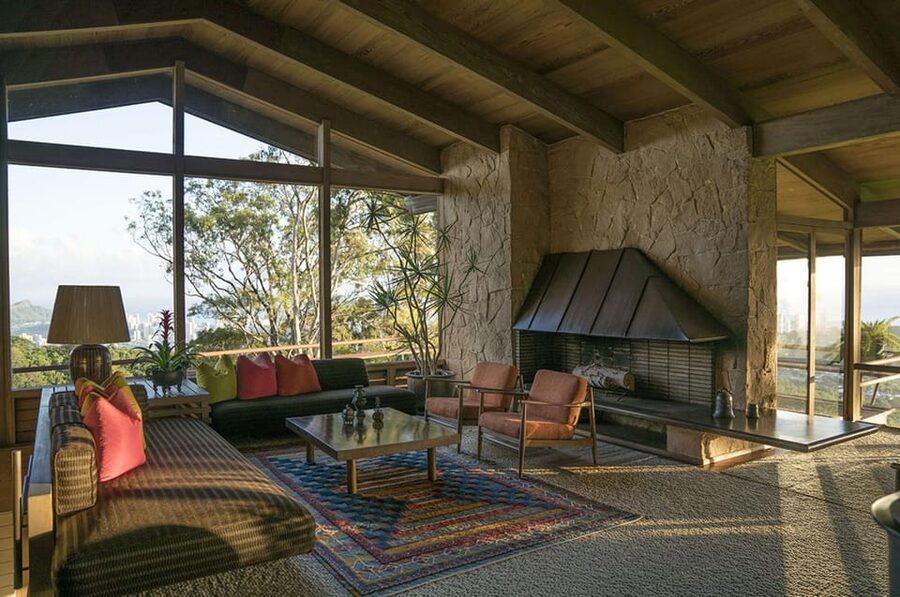
- Hawaiian modern architecture, with natural materials woven into the design
- The preservation mission of the Liljestrand Foundation, supported through your ticket
Why the Liljestrand House tour feels special in Honolulu
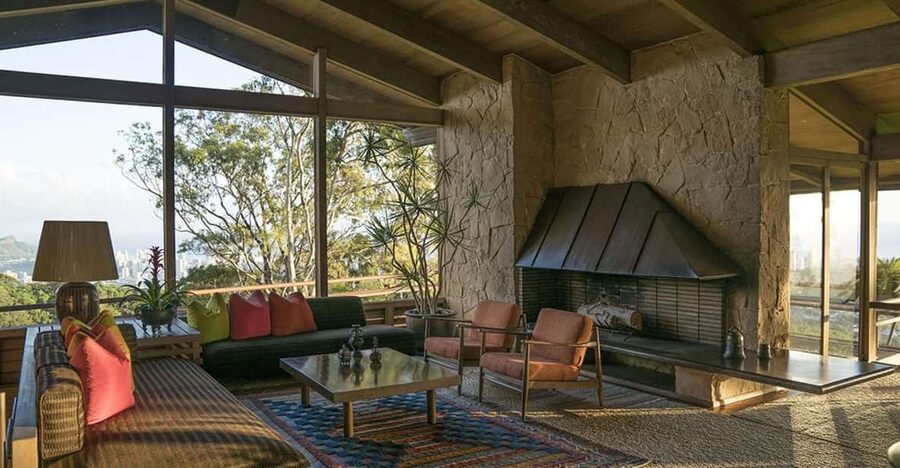
Honolulu has plenty of sights, but this one is different because it’s about design choices, not just views. The Liljestrand House is a celebrated example of Hawaiian modern architecture, and the tour focuses on how the building works. You’re not looking at an empty shell, either. You’re walking through a preserved home where details still matter.
I like that the experience is structured around understanding principles. The guide doesn’t just point out what looks good, they connect it to why Ossipoff designed the way he did. That makes the house feel smarter after you leave, not just prettier.
The other standout is how personal the story gets. You’ll hear about the Liljestrand family and their friendship with Ossipoff, which turns the tour from architecture-only into something more human. It’s easier to picture daily life when the guide helps you connect design to real people.
You can also read our reviews of more tours and experiences in Honolulu.



What you’ll see inside the preserved mid-century home
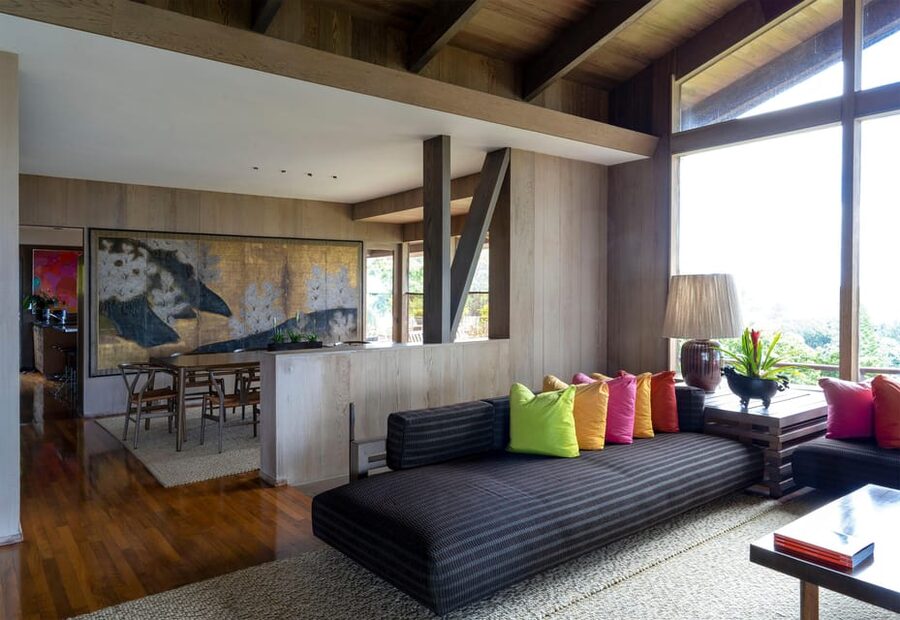
Your visit centers on the Liljestrand House itself, with a live guide leading you through the main areas of the home. Expect a walkthrough that highlights how the interior was meant to feel both practical and elegant. Because the house is preserved, you’re seeing original elements rather than modern replacements.
A big part of what you’ll notice is the balance between indoor comfort and outdoor connection. Even without getting a room-by-room blueprint, the tour makes it clear that Ossipoff thought about airflow, sight lines, and materials. Those ideas show up in the way spaces relate to each other and how natural light plays across surfaces.
You’ll also spend time on the original furnishings and artworks, which is where this tour goes beyond typical exterior photos. It’s one thing to hear mid-century design described. It’s another to see how the home’s look was shaped to work with the family’s taste and the era’s style.
One more thing I appreciated: the guide keeps the pace intimate. With a group limited to 10, you have enough time to ask questions without the tour feeling rushed. That matters with architecture tours, because the best moments often come from small details you don’t notice until someone points them out.
Ossipoff’s design ideas you’ll notice right away
The core of the experience is learning Ossipoff’s approach to architecture and then seeing it in the house. If you’ve ever wondered why some buildings feel calm and others feel chaotic, this tour gives a few direct answers. Not in a classroom way, more like a practical way of looking.
The tour emphasizes view management, meaning the architect planned what you would see from where you stood. As you move through the house, you get nudged to notice sight lines, how angles frame parts of the outside world, and how the design keeps different views in balance. It’s not about one dramatic postcard moment. It’s about everyday perspectives.
Another key theme is the integration of natural materials. The guide focuses on how those material choices shape the mood of the home, not just how they look. Wood, light surfaces, and the overall material palette help the house feel grounded in its environment rather than imported.
You’ll also learn about the design principles that defined an era of architecture. The tour doesn’t require you to know architectural jargon. Instead, it frames choices as responses to climate, lifestyle, and what a home should feel like day to day. That helps you see mid-century modern as a thoughtful system, not just a style label.
The family story and why preservation matters
A preserved historic home works best when it has context. This tour gives you exactly that by connecting the Liljestrand family to Ossipoff’s work. The guide talks about the family’s lives in the house and their enduring friendship with the architect. That personal angle makes the architecture feel less abstract.
It also helps you understand why the house is worth protecting. The Liljestrand Foundation preserves the property and opens it for educational and cultural enrichment. When you buy a ticket, you’re directly supporting that mission, which is a rare kind of value in tourism. You’re not just consuming culture, you’re helping keep it available.
I like tours where the explanation changes how you look at what you’re standing next to. Here, the story makes the furnishings and layout feel purposeful, as if the design and daily routine were meant to match each other. You can start to sense what the home was built for, not just how it was built.
Practical details: shoes, heat, and what to leave behind
Before you go, read the rules because they affect your comfort. The house has fragile wood floors, and you’re asked to remove your shoes. Bring socks you’re okay with walking in, and plan for the fact that the floor may feel cool or warm depending on the day.
The house is not air-conditioned, and summer and fall months can be quite hot. This is a real consideration, especially if you’re heat sensitive. Wear lightweight clothing and expect the 90 minutes to feel more like a warm indoor experience than a museum stroll.
There are also restrictions on what you can bring. Pets are not permitted, and the tour doesn’t allow backpacks, large bags, tripods, extension poles, or selfie-sticks. The goal is to protect the space and keep the small group moving safely and comfortably.
Also note the simple rules: no smoking, no vaping. And this is not suitable for children under 10. If you’re traveling with younger kids, plan for a different activity that matches their attention span and energy level.
One small but helpful planning tip: since it’s a 90-minute timed experience, check the starting times available for your day. You’ll want to fit it around other Honolulu plans so you’re not rushing across town in the heat.



Price and value: is $78 for 90 minutes fair?
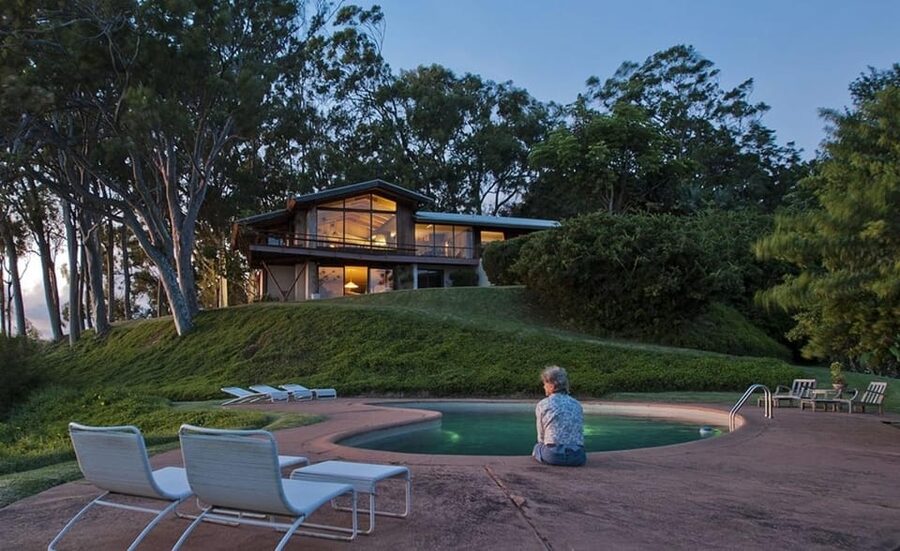
At $78 per person, this is not the cheapest thing you can do in Honolulu. But for an architecture-focused experience, the price starts to make sense fast. You’re paying for entrance to a preserved historic home, a live guide, and a small group of only 10 people.
Where it really earns value is in what you get per minute. The tour is only 90 minutes, but it’s structured to explain design principles you can actually see. That kind of guided interpretation is harder to replicate on your own, especially if you don’t know what to look for in mid-century architecture.
You’re also supporting the preservation work through your visit. That turns the ticket into more than entertainment. It becomes a way to help keep the Liljestrand House open for education and cultural enrichment.
If you enjoy architectural tours, design history, or Hawaiian modern architecture specifically, the cost feels more like a ticket to a lesson than a standard attraction. If you’re expecting a long, walk-all-day sightseeing experience, it may feel shorter than you want. But if you like focused, high-quality storytelling, the time and price fit together well.
Who should book this tour, and who might skip it
This is a strong fit if you like:
- Modern architecture and want to understand how design choices shape what you experience
- tours led by a guide who can explain concepts in a practical way
- small-group visits where you can ask questions
You might want to skip or adjust expectations if:
- you need air-conditioned comfort, since the house is not air-conditioned
- you can’t or don’t want to remove shoes indoors
- you’re traveling with children under 10, since the tour isn’t suitable for them
If you’re the type of traveler who enjoys reading the built environment like a story, you’ll probably enjoy this a lot. And if you’re visiting Honolulu primarily for beaches and food, this tour can be a great change of pace on a calmer day, especially when you want something thoughtful but still easy to fit into a schedule.
Tips to get the most from your 90 minutes
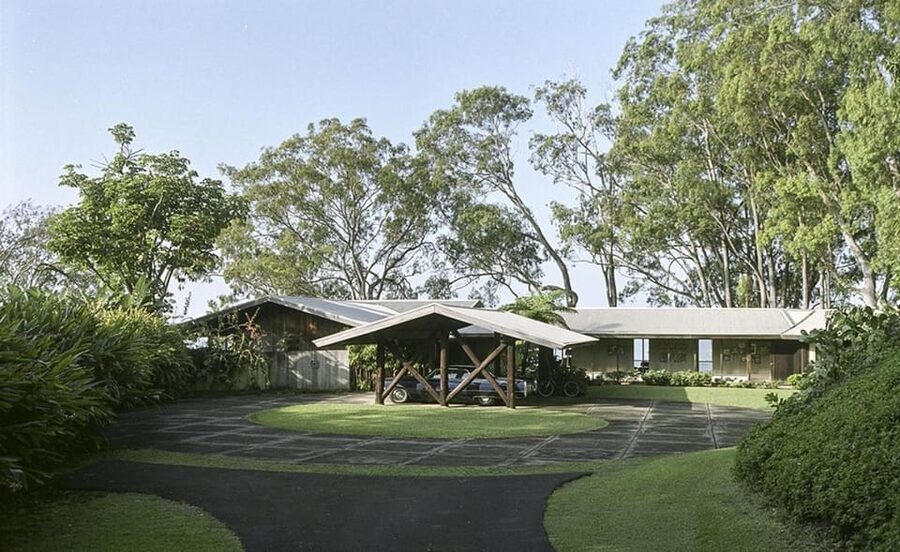
A good architecture tour rewards curiosity. Come ready to look slowly. Notice where the guide points your attention, and then check it again from a slightly different angle. View management is easier to understand when you compare perspectives.
Ask questions while the guide has the floor. With a group capped at 10, your voice has space. If you’re unsure what you’re seeing, simply ask how a specific design choice connects to climate, comfort, or daily living.
Also, plan your outfit for indoor walking without shoes. You’ll be happier if you treat it like a museum visit where your comfort matters more than your footwear.
Finally, leave time before and after the tour so you can reflect. It’s the kind of experience where the design ideas keep sticking with you while you’re out exploring the rest of Honolulu.
Should you book this Honolulu Liljestrand House tour?
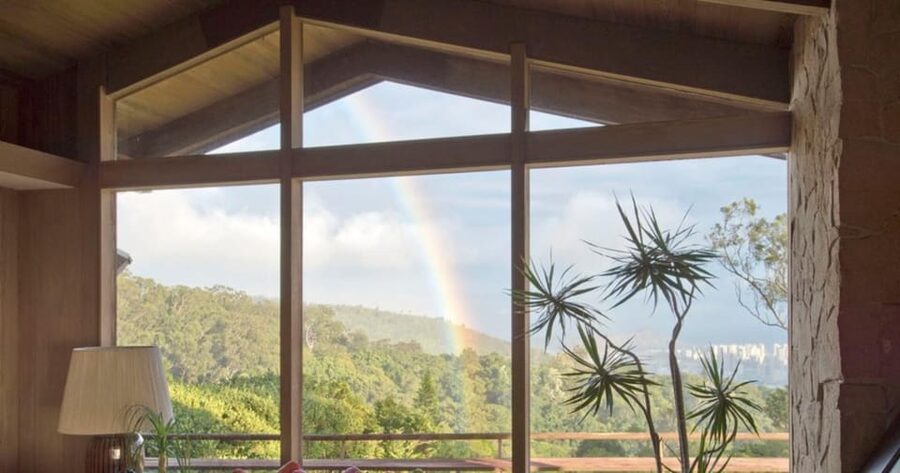
If you care about architecture, design, and the stories behind how places are shaped, I think you should book it. The tour gives you a preserved mid-century home, a clear explanation of Ossipoff’s principles, and the chance to support the Liljestrand Foundation’s preservation mission.
If you’re sensitive to heat or you don’t want to remove your shoes, you’ll need to think hard about whether the experience still sounds worth it. For most people who want a focused, small-group, design-minded visit, this one is a solid use of time.
FAQ
How long is the Honolulu Liljestrand House Architectural Tour?
The tour runs for 90 minutes.
How big is the group?
It is a small group limited to 10 participants.
What language is the tour guide?
The tour guide provides the tour in English.
Is the Liljestrand House air-conditioned?
No. The house is not air-conditioned and can be quite hot during summer and fall months.
Do I need to remove my shoes?
Yes. Because the wood floors are fragile, you are asked to remove your shoes.
What is included in the ticket price?
The ticket includes entrance to the Liljestrand House and a tour guide.
Are pets, backpacks, or selfie-sticks allowed?
No. Pets are not permitted, and backpacks, large bags, tripods, extension poles, and selfie-sticks are also not allowed.
More Tours in Honolulu

More Tour Reviews in Honolulu
Not for you? Here's more nearby things to do in Honolulu we have reviewed












Tours, compared.
 ★ 5.0Oahu Grand Circle Island and Haleiwa Tour: 9-Hr Deluxe ExperienceFrom $14017,387 reviews
 ★ 5.0Grand Tour Around Island 16 Locations plus SnorkelingFrom $1098,669 reviews
 ★ 5.0Majestic Circle Island Tour with LunchFrom $1817,014 reviews
 ★ 4.5Oahu’s Ultimate Tour: Dole, Turtle Snorkel, Pali Lookout & MoreFrom $1085,461 reviews
 ★ 5.0Oahu Circle Island Tour with Turtle Snorkeling— Small-GroupsFrom $1495,214 reviews
 ★ 5.0Pearl Harbor Remembered TourFrom $1435,143 reviews
 ★ 5.0Pearl Harbor, USS Arizona Memorial & Honolulu City TourFrom $944,866 reviews
 ★ 4.5Waikiki Trolley Hop-On Hop-Off Tour of HonoluluFrom $224,783 reviews