
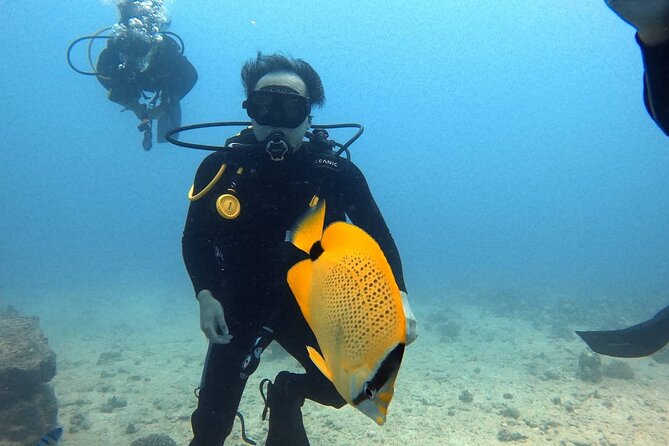
REVIEW · OAHU SCUBA & WRECK DIVES
First Time Introductory Scuba Dive
Your first trip underwater can feel surprisingly doable. What makes this Oahu intro scuba session interesting is the small-group coaching and the very patient way instructors teach the basics. I especially like how guide Ed goes step by step so you understand what you are doing before you head in. One consideration: on rougher days, the short skills practice at sea can feel stressful for brand-new swimmers, even if the underwater part itself stays controlled.
You can show up without packing kit, and the program runs about 4 hours starting at 11:00 am from a meeting spot in Honolulu (74VV+4W). You’ll also fill out an RSTC scuba medical waiver the morning of the charter, with doctors notes required if you answer yes to the form questions. For the price point of $279 per person, you’re paying for instructor-led fundamentals, all scuba equipment, and snacks to keep you comfortable.
Key things that make this Oahu intro scuba session worth your time
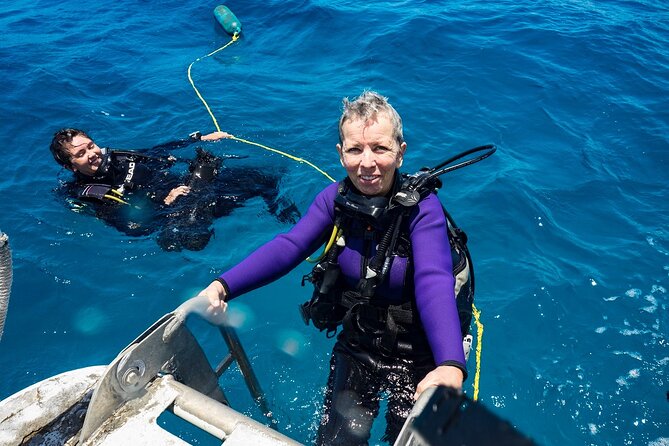
- Tiny groups, 1 to 4 people, help keep attention on safety and reduce stress for marine life
- Gear included, so you avoid the hassle of renting or transporting a full kit
- Instructor-led basics first, safety skills are taught with a focus on comfort, not speed
- Snack support included, which matters more than you think on a 4-hour charter
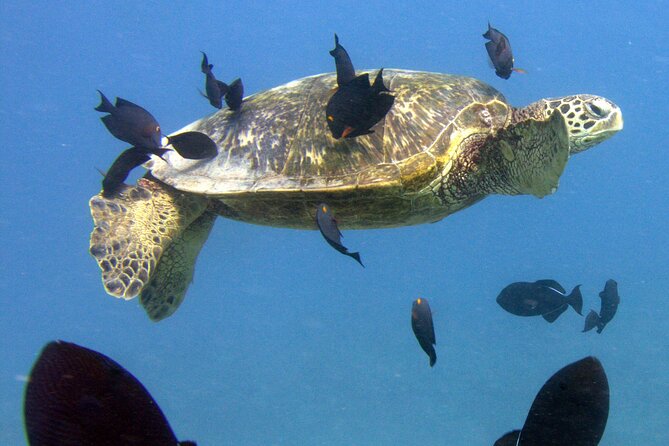
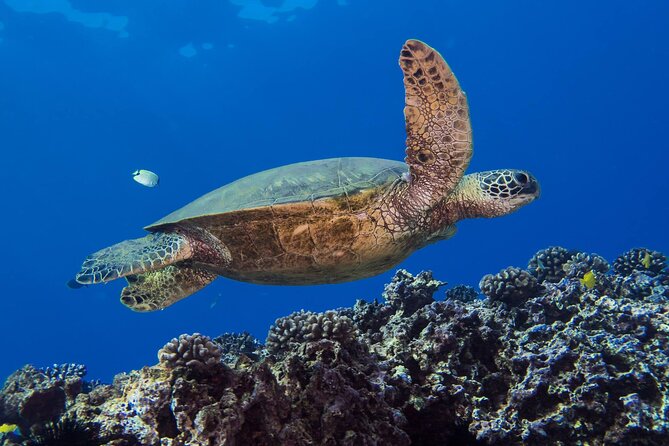
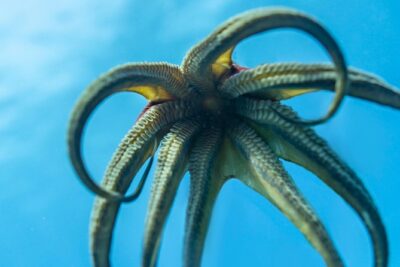
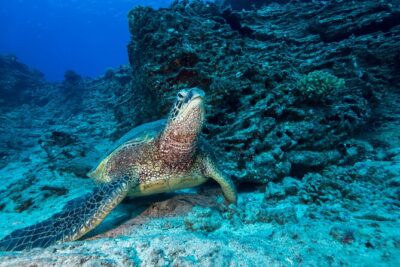
- Marine life sightings are a real goal, with sea turtles, octopuses, and other wildlife possible
- A medical waiver is required, and a yes answer means you’ll need doctor approval
The “first time” setup: small group attention in Honolulu
On Oahu, this kind of intro scuba program works best when you feel like you’re getting real attention. Here, your experience is designed around small groups of one to four people. That small ratio is not just about comfort. It also helps marine life stay calmer because fewer people means less commotion at the surface.
The vibe you are looking for is clear, structured instruction. I like that the program is built around learning the fundamental safety guidelines and core skills you need for safe time underwater, with your instructor staying focused on your comfort. When instruction is paced to your confidence level, first-time scuba feels less like a jump scare and more like a learn-as-you-go lesson.
It is also built for convenience. You do not need to pack a full scuba kit, because equipment is included. That matters on Oahu, where you might already be moving between beaches, stops, and meals, and you do not want extra gear logistics.
You can also read our reviews of more scuba diving tours in Oahu

What you get (and what you do not) before the water
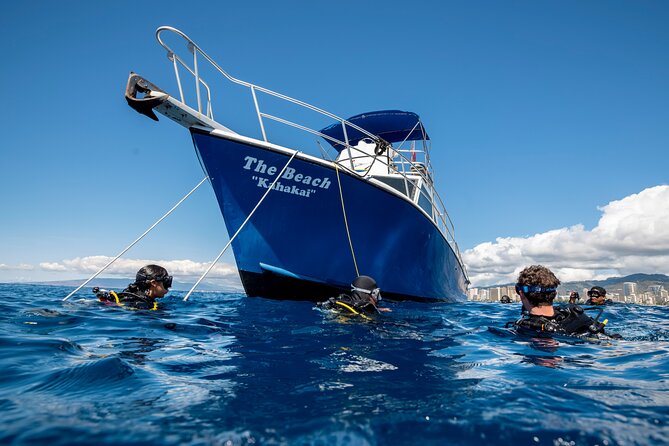
For $279 per person, you are paying for a full package that removes the biggest friction points for beginners: equipment and guidance. The program includes scuba gear and snacks. That sounds simple, but it affects how the day feels, especially because you are out for roughly 4 hours.
Here is what you should know up front:
- You will be guided in English
- You’ll get a mobile ticket
- The charter is capped at 16 travelers overall, even though the hands-on instruction runs with tiny subgroups
- Service animals are allowed
- You should have a moderate physical fitness level
That last point is important. Scuba involves breath control and a bit of body awareness, and you want to feel steady moving in and out of the water. If you are unsure about your fitness, it is worth thinking honestly before you commit.
Gear and comfort: why included equipment helps beginners
Beginners often lose confidence for silly reasons: a mask feels off, a regulator feels different, or the gear fit just is not right. This program removes a big chunk of that stress because scuba equipment is provided for you. In practical terms, it means you can focus on learning what your instructor is teaching instead of troubleshooting your own rental setup.
You also get support in the “how it should feel” category. The entire program is instructor-led, with the instructor’s primary focus on your safety, comfort, and enjoyment. That is a helpful mindset for first timers. You are not being rushed into technical thinking. You are learning a small set of skills and safety routines, then using them while you look for marine wildlife.
And yes, the included snacks matter. A 4-hour outing in the sun can drain you fast, and low energy makes every new task feel harder. Having snacks on board is one of those quiet quality-of-life upgrades that improves the whole experience.
The flow on the water: safety skills, then wildlife time
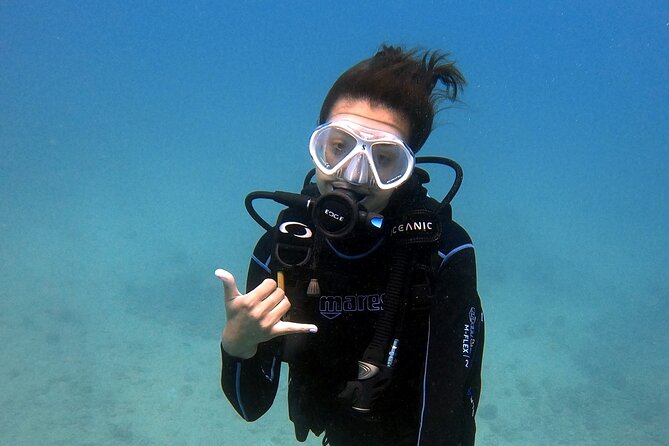
This is a structured “learn the basics” experience, not a long, advanced exploration. You’ll start with safety guidelines and fundamental skills you need for first-time underwater time. The goal is to make the unfamiliar feel normal.
Expect an instructor-first rhythm. For example, one of the standout comments about the coaching was that Ed was patient and took time to make sure participants knew the ins and outs before going in. That kind of teaching shows up in how most beginners feel afterward: calmer, more certain, and able to enjoy the undersea world instead of worrying about what comes next.
Then you shift from classroom to real-world application. The program is designed around chances to see marine life such as sea turtles and octopuses, and it is not just a brochure promise. Wildlife sightings are part of why people book this in the first place.
If you are into the unexpected, you might appreciate that one recent trip included sightings reported like electric eels. Wildlife encounters can vary by conditions and location, so I treat those as “possible,” not guaranteed. Still, the emphasis on seeing animals is clearly part of the experience.
Weather, choppy surface water, and how to set expectations
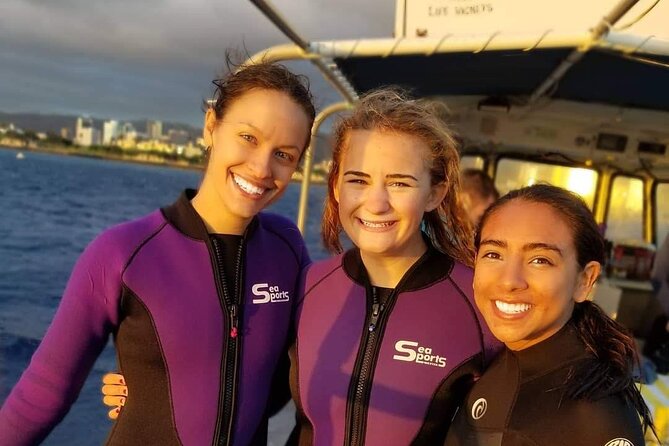
This is the part where you need to be emotionally prepared. The program requires good weather, and if conditions are too poor, you’ll be offered a different date or a full refund. That is a meaningful safety commitment.
But sometimes the day is workable yet still choppy. One note I took seriously was that rough water can make beginners uneasy during practice time. The underwater portion can be fine, but the transition and the surface learning moment can feel more intense when waves are involved. If you know you get anxious in open water conditions, consider that the program includes practice time before you settle into the underwater viewing portion.
How do you handle that? I suggest you treat this as training. You are allowed to feel nervous. The best response is using the skills your instructor teaches, focusing on breathing and the basics rather than fighting the emotion.






Price on Oahu: is $279 good value for first-time scuba?
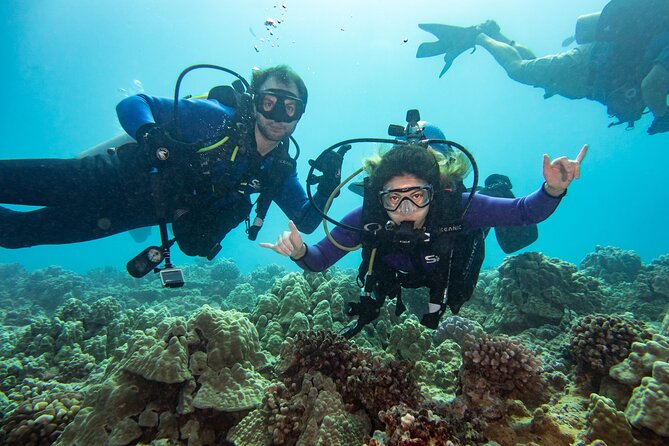
Let’s talk money like an adult. $279 per person is not the cheapest activity in Honolulu, but it is also not pricing you like a full-day luxury tour. What you are buying is:
- Small-group safety instruction (typically 1 to 4 people per subgroup)
- All scuba equipment
- Snacks to keep you fueled
- A guided experience that aims at real wildlife viewing
When you price this against the cost and hassle of separate lessons plus equipment rentals plus “someone to keep you safe,” this package starts to make sense. For first-time visitors, the value often comes from reduced friction. You do not need to figure out rentals. You do not need to interpret safety steps alone. And you get structured time underwater with an instructor’s focus on comfort.
Also, this kind of experience is often booked with timing in mind. It is commonly reserved about 27 days in advance on average, so if you have your Oahu dates locked, you may want to book earlier rather than waiting for last-minute openings.
Where you meet in Honolulu and what timing feels like
You start at 74VV+4W in Honolulu, and the activity ends back at the meeting point. Start time is 11:00 am, and the total experience runs about 4 hours. It is near public transportation, so you are not completely at the mercy of taxis if you are basing yourself in Honolulu.
That start time is a practical choice. Late morning often gives you enough daylight for a good underwater window while still avoiding a very early wake-up. It also fits with a day that includes other Oahu highlights.
One thing to remember: the morning paperwork matters. You will need to fill out the RSTC scuba medical waiver on the charter morning. If you answer yes, you will need doctors notes before you are allowed to scuba. That is not a detail to ignore, so plan your scheduling and health paperwork with time to spare.
Who should book this intro scuba session, and who should think twice
This experience is a strong match if:
- You are doing your first time with scuba and want clear instruction
- You prefer small groups and personal safety attention
- You want included gear so you can travel lighter
- You care about seeing sea turtles and octopuses (not just posing in photos)
- You can manage a moderate fitness level
You might think twice if:
- You know you get very anxious in choppy open water conditions
- You do not feel confident completing the practice skills portion without a lot of worry
- You are not prepared for the medical waiver requirement on the day of the charter
If you are a nervous beginner, your best strategy is booking with realistic expectations. This is training, and feeling shaky at the start is normal. The program is designed around patience and safety focus, and your instructor should guide you through the steps at a pace that helps you stay comfortable.
Should you book this first-time scuba program on Oahu?
I would book it if you want a beginner-friendly way to experience the underwater world without the hassle of gear planning. The small-group format, patient instruction, and included equipment plus snacks make it feel like a complete beginners package.
I would hesitate only if you are extremely sensitive to surface conditions and the idea of practicing skills in choppy water is likely to spike your anxiety. If that sounds like you, I’d weigh alternatives or be ready to choose a calmer day.
Bottom line: at $279, you are paying for a safety-first learning experience with real wildlife opportunities, built for first timers. If that matches what you want from Oahu, it is a smart, practical choice.
FAQ
What is included in the basic first-time scuba session?
The experience includes use of scuba equipment and snacks.
How long is the experience?
It runs for about 4 hours.
What time does it start?
The start time is 11:00 am.
What group size should I expect?
It is conducted in small groups of one to four people, and the activity has a maximum of 16 travelers.
Do I need to bring scuba gear?
No. Scuba equipment use is included.
Do I need to complete any medical paperwork?
Yes. You must fill out an RSTC Scuba Medical Waiver on the morning of the charter. If you answer yes on the form, doctors notes are required before you are allowed to scuba.
What fitness level do I need?
You should have a moderate physical fitness level.
Are service animals allowed?
Yes, service animals are allowed.
Is there free cancellation?
Yes. You can cancel for a full refund up to 24 hours in advance of the experience start time. If it is canceled due to poor weather, you will be offered a different date or a full refund.
More Scuba Diving Tours in Oahu

More Tour Reviews in Oahu


Not for you? Here's more nearby things to do in Oahu we have reviewed







Oahu Scuba & Wreck Dives, compared.
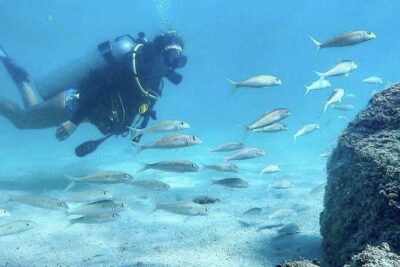 ★ 5.0First-Time Scuba Diving in Honolulu + Free VideosFrom $893,123 reviews
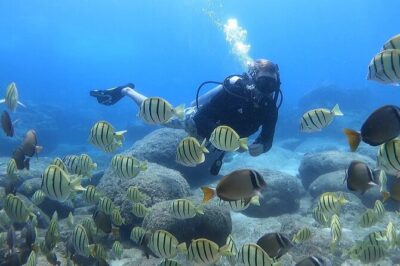 ★ 5.0Beginner Scuba Diving Experience with Video Package in HonoluluFrom $77877 reviews
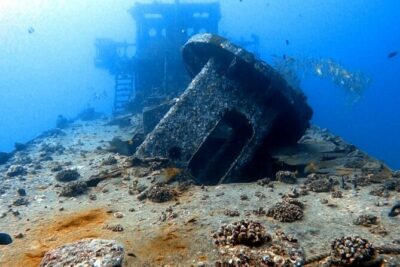 ★ 5.0Certified Diver: 2-Tank Deep Wreck and Shallow Reef Dive Off OahuFrom $248331 reviews
 ★ 4.5Incredibly Fun Coral Reef Giant Sea Turtles 4hour Boat Scuba TourFrom $299300 reviews
 ★ 5.0Certified Diver: 2-Tank Shallow Reef Dives off OahuFrom $141278 reviews
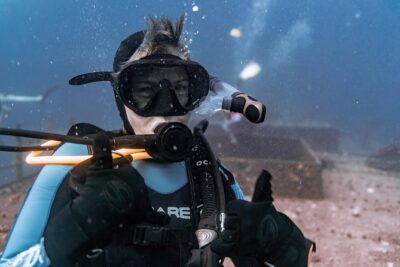 ★ 4.5Waikiki 2 Tank World Class Wreck SCUBA Diving – Certified OnlyFrom $269205 reviews
 ★ 5.0DISCOVER Scuba Diving Experience in HonoluluFrom $141202 reviews
 ★ 4.8Waikiki Discovery Scuba Diving for BeginnersFrom $27099 reviews
Browse the lists this tour appears in