
REVIEW · OAHU CIRCLE ISLAND TOURS
Eco-adventure friendly Aloha Island Tour
One stop leads to the next story. This Eco-adventure friendly Aloha Island Tour strings together coffee culture, sea turtles, and legendary North Shore surf spots into one efficient half-day. I like how the day mixes living nature with Hawaiian mythology, and you also get practical photo guidance along the way. One thing to consider: many beach stops are brief, so plan to treat it as sightseeing and viewpoints, not a full day in the water.
Two things I really like are the coffee farm start and the way the guide keeps the stops moving with clear context. The coffee part is more than a photo stop, with daily coffee and tea sampling plus a self-guided walk through a 7-acre garden. The one drawback is simple pacing, because you may only get around 15 minutes at places like Laniakea Beach, Shark’s Cove, and Pipeline, so the ocean views might come fast and go fast.
Quick takeaways before you go
- 7 acres of arabica coffee trees, with samples included: learn where coffee comes from and taste the results.
- North Shore legends, packed into a short route: Laniakea Turtle Beach, Waimea Bay, Shark’s Cove, Banzai Pipeline, and Sunset Beach.
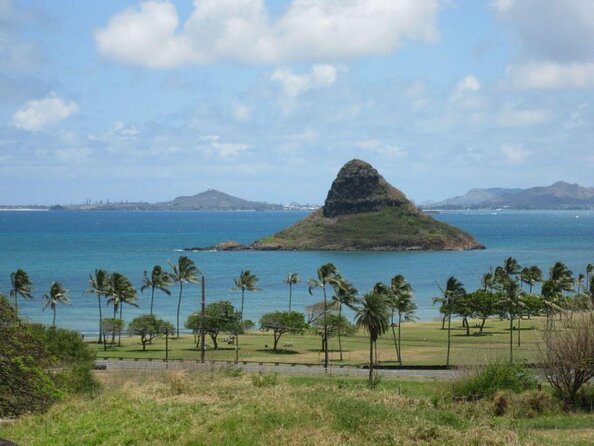
- Mythology meets movie-view logic: Mokoli’i Island and a Laie Point stop tied to Jurassic Park filming mountains.
- A private group feel: it’s just your party, and that often makes the guide’s explanations land better.
- Stop durations are tight: expect viewpoint time more than long beach time at each location.
- Multiple admission tickets built in: several major stops include admission, not just the ride and talking.
Price and pace: what $450 buys on Oahu
At $450 per person, this isn’t a budget bus tour. It is priced like a guided half-day where you get transport, a private group experience, and a lot of included admissions. The best part, value-wise, is that your time is bought, not your shopping list. You hit the North Shore highlights in about 4 to 5 hours, which is exactly the kind of structure you want if you have limited time on Oahu.
The pace is also the trade-off. Most stops are around 15 minutes, with one longer town break in Haleiwa. That format works great for seeing key landmarks and taking a few solid photos. If you’re the type who likes to park, linger, and watch the waves for an hour, you will need to accept that this is a highlight reel.
Also, this tour is offered in English, and it runs with good weather required. That matters because North Shore beach time depends on conditions.
You can also read our reviews of more tours and experiences in Honolulu.

Pickup from Waikiki, and why private matters here
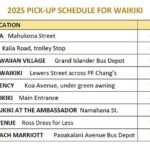
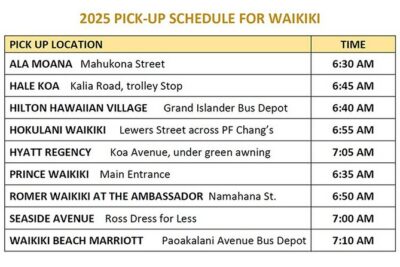
Pickup is included from Waikiki hotels, which removes a lot of hassle if you’re staying in the main tourist area. If you’re staying outside Waikiki, pickup can be arranged with an additional fee, but you have to contact the company a couple of days ahead to line it up. The tour uses a mobile ticket, and you get a text confirmation the day before with pickup details.
The private part is more than a label. When it’s only your group, the guide can tailor the pace a bit, point out the best angles for photos, and explain the why behind each stop without repeating the same script for a big crowd. In the feedback I focused on the guide quality, because that is the difference between driving past places and actually understanding what you’re seeing.
The coffee farm start: 7 acres of arabica and tastings
The first stop is a small farm on the famous North Shore, and it gives the tour a warm, grounded start before you hit the ocean. It covers 7 acres with about 3,000 arabica coffee trees. That detail is useful because it signals this isn’t a token “grab a souvenir mug” stop. You’re walking a real working set of rows.
Here’s what you can expect:
- Coffee and tea samples offered daily
- A self-guided tour through the coffee garden so you can go at your own speed
- Time to learn where coffee comes from and how it moves from the tree to your cup
What I like about this setup is that it changes how you read the rest of the day. After you’ve tasted something made from those trees, you’re less likely to treat the North Shore as just scenic stops. You start noticing how people rely on land and weather, not only views.
Practical tip: wear shoes you don’t mind getting dusty. Even if the paths are manageable, farms are still outdoors and working landscapes.
Dole Plantation and Haleiwa Town Center: classic stops, smart time use
You then roll into Dole Plantation, originally a fruit stand starting in 1950 and later opened as Hawaii’s Pineapple Experience in 1989. Admission is included, so you’re not paying twice for the same entry. The official framing is “experience,” which usually means there’s a visitor path and plenty of signage, so it works well even if you’re not a super-pineapple person.
Then you switch to Haleiwa Town Center, a small beachfront town with a noticeable plantation-era presence carried into modern life. Admission is included here too, and you typically get about 30 minutes. That extra half hour matters. A town stop is not just to stretch your legs, it’s to reset your brain between big scenery hits.
Here’s how I’d use the time:
- Quick walk for local textures: storefronts, colors, and the way the town sits right on the shoreline
- A snack break if you want one, because the next set of stops is mostly lookout mode
- Photo time, especially if you want a mix of street and sea views
If your goal is “see the famous North Shore sights,” Dole and Haleiwa do that. If your goal is “understand Hawaii,” Haleiwa does a lot more for the second part because it’s a living community, not only an attraction.
Laniakea Turtle Beach: where you look, then you wait
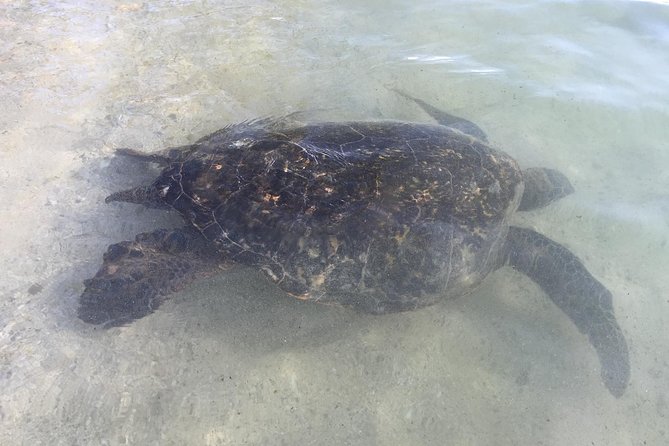
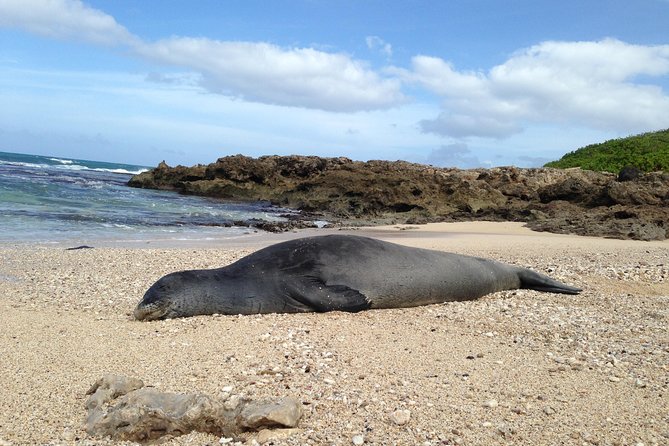
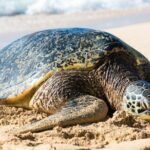
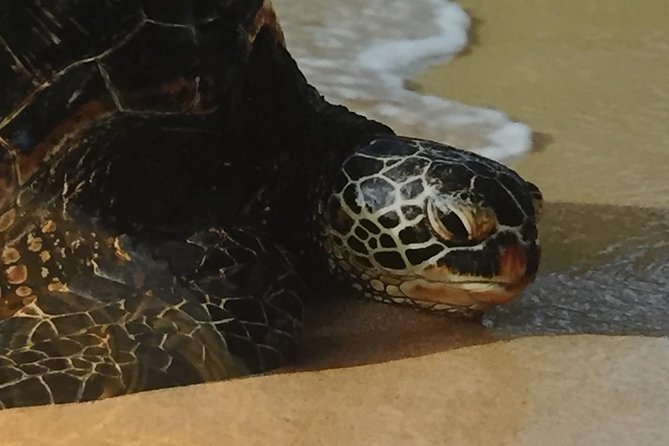
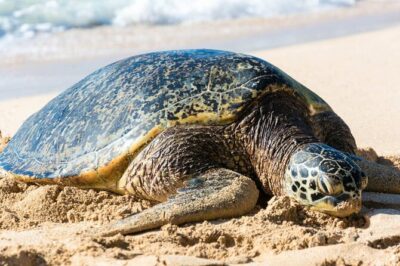
Next up is Laniakea Beach, also known as Turtle Beach. The headline here is simple: green sea turtles often bask on the sand and you can often spot them from the beach.
You get about 15 minutes, which is short. But there’s a reason it works. Sea turtles do not speed-run. If you rush, you miss. If you stand quietly, you have a better shot at seeing one drift up onto the warm spot and settle in.
Practical advice:
- Give turtles space. You do not need to crowd in for a photo.
- Keep your eyes low and scan the shoreline rather than only staring straight out to the water.
- Bring sunglasses and sun protection. Even when the ocean looks cool, the sun can feel intense on Oahu.
This stop is a good example of why a guided tour matters. The guide can help you notice where the best chance is to see wildlife without turning it into chaos.
Waimea Bay, Shark’s Cove, and the surfing culture you can read from shore

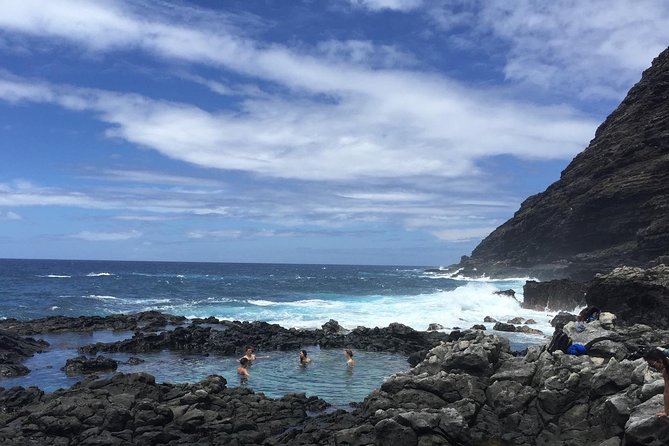
From turtles to surf legends, your itinerary moves to Waimea Bay, famous for its winter waves around 30 feet. In summer, the water calms enough that it can be a solid spot for swimming, snorkeling, and diving, but your stop is still about 15 minutes and you’re mostly there for scenery and shoreline viewing.
Then you head to Shark’s Cove, a lava-rock beach in Pupukea Beach Park. It got its name from a story that the reef outline looks like a shark from above. That is one of those details that helps you look differently. Instead of seeing rock and water, you start looking for shapes, contours, and how the reef forms the coastline.
What I like about stacking these three is that the coastline teaches you a lot quickly:
- Waimea tells you when the ocean is “serious.”
- Shark’s Cove shows you the geology that makes the ocean behavior possible.
- Together, they make later stops at Pipeline feel less random.
If you want to swim or snorkel, treat this part as a potential add-on rather than a guarantee. The day’s timing is tight, and water conditions aren’t described beyond the seasonal note for Waimea.
Banzai Pipeline and Sunset Beach: when the waves do the talking
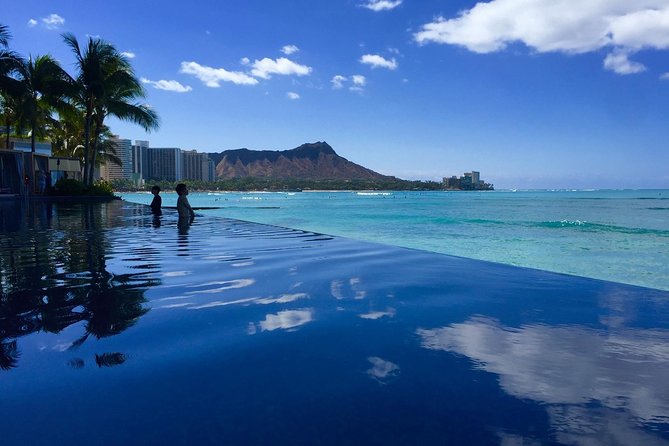
Now you get the part most people come for: the North Shore’s surfing drama. Banzai Pipeline is known for huge waves breaking in shallow water over a sharp reef. The result is those hollow, thick curls surfers can ride, sometimes called tubes. Your stop is about 15 minutes, so the goal is to watch and learn what makes this location special.
Then comes Sunset Beach Park, another famous surfing mecca. It’s especially exciting during contest season, because the Vans Triple Crown of Surfing is held there between November and February. Even if you visit outside contest months, the beach is still built around wave action, and the views are the point.
How to enjoy these stops:
- Arrive with the expectation that you’ll see action from shore, not ride the surf.
- Watch the water lines. The difference between calmer patches and fast-moving channels is often clearer here than you’d expect.
- Take a few photos from multiple angles quickly. The light changes, and you will be moving on.
These are great stops for surf fans. But they also work for non-surfers because you’re watching how geography controls water.
Laie Point Wayside Park and Mokoli’i Island: mythology and movie-view angles
After the surf, you pivot to mythology and recognizable scenery. Your next stop is Laie Point State Wayside Park. This one is described as a more local-feeling spot with a viewpoint over a rocky arch in the ocean. From the promontory you can feel the ocean’s scale, and on clear days the background mountains are visible.
What makes it extra fun is the cultural pop-culture overlap:
- The mountains visible here are where Jurassic Park was filmed.
- If you’ve seen Forgetting Sarah Marshall, you might recognize the place where characters jump off a cliff into the Pacific.
Your stop is about 15 minutes, so don’t plan on a long hike. Plan on smart looking: find the arch view, then rotate your angle for photos.
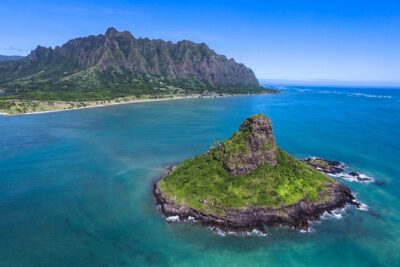
Then you visit Mokoli’i Island, also known as Chinaman’s Hat. This small basalt island in Kāneʻohe Bay is tied to Hawaiian mythology. The story says it’s the remains of a giant lizard or dragon’s tail cut off and tossed into the ocean by a goddess.
This stop is brief too, but it lands because it answers the question, why does a rock in the sea matter? In a good guided tour format, mythology turns geography into meaning.
Tropical Farms macadamia stop: animals, trees, and a quick reset
Finally you wrap with Tropical Farms, commonly called the Macadamia Nut Farm Outlet, near Ka’a’awa. This is described as having a country feel with a lot of trees. There’s also animal activity behind the main store, including chickens and other animals, and it can be especially exciting for kids.
Even if you’re traveling without kids, I like how this stop resets the tone. The North Shore route is intense, ocean-focused, and often dramatic. Tropical Farms gives you a calmer, shaded transition, and it’s a more tactile place to end: trees you can see, animals you can watch, and a familiar Hawaiian nut product.
Expect about 15 minutes here too. Use it to grab a snack or treat if you want, because the earlier stops are mostly viewpoint driven.
What the guide adds: fast explanations and better photos
One of the most praised aspects here is the guide style. The feedback emphasized that the guide was extremely informative, friendly, interesting, and also intellectual. That combination matters on this kind of tour because you’re seeing a lot of different “types” of stops: culture, wildlife, surf history, mythology, and film-view points.
A strong guide helps you:
- Understand what you’re seeing at each stop, not just where it is
- Find photo opportunities worth taking, instead of generic wide shots
- Keep the day from feeling scattered, because the stops are connected by themes: land, ocean, stories
If you like learning while you travel, this is where the tour justifies its price.
Who this tour fits best (and who might want a different plan)
This tour is a strong match if you:
- Want a North Shore highlights route without renting a car and juggling directions
- Like a guide who explains the meaning behind what you see
- Prefer “see a lot in one half-day” over “slow and deep”
- Want a mix of wildlife, surf culture, and Hawaiian mythology in one run
It might not be ideal if you:
- Want extended beach time and long swims at each stop
- Dislike fast stop durations and constant transitions
- Are traveling in a way that requires a lot of flexibility beyond a set sequence
For most first-time Oahu visitors, though, this format is a practical way to get the iconic North Shore feel.
Should you book the Eco-adventure friendly Aloha Island Tour?
I’d book it if you want a structured way to hit the North Shore’s biggest themes, coffee farm to turtles to Pipeline to Mokoli’i, in a single 4 to 5 hour day. The biggest value driver is that admissions are included for multiple major stops, and the private guide approach usually makes the experience feel more personal than a crowded bus ride.
If you’re the type who already plans to spend the day lounging at one beach, this might feel too packed. But if you’re trying to make limited time count, this is a smart use of it. Bring sun protection, wear comfortable shoes for outdoor stops, and keep your expectations realistic: you’ll see, learn, and photograph, then move on to the next story.
FAQ
How long is the Eco-adventure friendly Aloha Island Tour?
It runs about 4 to 5 hours.
Is pickup included, and where does it pick up?
Pickup is included from Waikiki hotels. Pickup from the airport, ports, Koolina, or other locations can be arranged for an additional fee. You’ll need to call a couple of days before to schedule.
Is this tour private?
Yes. It’s a private tour/activity, meaning only your group participates.
What language is the tour offered in?
The tour is offered in English.
What is included besides transportation?
Several stops include admission tickets (including Dole Plantation and other North Shore locations listed in the itinerary). At the coffee farm, you also get coffee and tea samples and a self-guided tour through the coffee garden.
Do I get to see turtles on this tour?
Yes. Laniakea Beach is known as Turtle Beach and is where green sea turtles often bask.
Which surf spots are included?
You’ll visit Waimea Bay, Shark’s Cove, Banzai Pipeline, and Sunset Beach Park.
Are the stop times long?
Most stops are short, typically around 15 minutes, with Haleiwa Town Center listed at about 30 minutes.
What if the weather is bad?
This experience requires good weather. If it’s canceled due to poor weather, you’ll be offered a different date or a full refund.
Can I cancel and get a full refund?
Yes. Free cancellation is available if you cancel up to 24 hours in advance of the experience’s start time.
More Tours in Honolulu

More Tour Reviews in Honolulu
Not for you? Here's more nearby things to do in Honolulu we have reviewed






Oahu Circle Island Tours, compared.
 ★ 5.0Oahu Grand Circle Island and Haleiwa Tour: 9-Hr Deluxe ExperienceFrom $14017,387 reviews
 ★ 5.0Grand Tour Around Island 16 Locations plus SnorkelingFrom $1098,669 reviews
 ★ 5.0Majestic Circle Island Tour with LunchFrom $1817,014 reviews
 ★ 5.0Oahu Circle Island Tour with Turtle Snorkeling— Small-GroupsFrom $1495,214 reviews
 ★ 5.0Oahu Circle Island Tour with Waimea WaterfallFrom $1543,912 reviews
 ★ 5.0Hidden Gems of Oahu Circle Island Tour with Byodo In TempleFrom $1463,450 reviews
 ★ 5.0All Inclusive Ultimate Circle Island Tour, Waimea Falls & LunchFrom $1563,067 reviews
 ★ 5.0Oahu Grand Circle Island Experience from WaikikiFrom $992,317 reviews
Browse the lists this tour appears in