
REVIEW · OAHU NORTH SHORE & HALEIWA TOURS
Beginner Surf Lesson at North Shore Haleiwa, Oahu
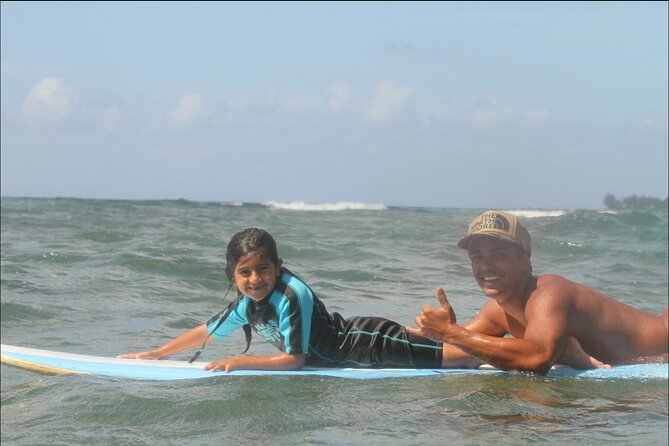
Turtles under you makes first surfing click. I like how this lesson uses one-on-one support and gets you into the waves fast, and I like that they provide board, leash, and rashguard so you can meet at Puaʻena Point and go.
The North Shore has real ocean hazards, so the only drawback to keep in mind is you must pay attention to safety, including stepping carefully around spots like sea urchins.
Expect a simple flow, a short land demo, then 1.5 to 2 hours actually surfing, with a year-round goal of spotting Hawaiian green sea turtles.
Key highlights at a glance
- Private, group-only session for your group, with instructor focus on beginners
- Gear provided (surfboard, leash, rashguard) plus water, so you travel light
- Safety and etiquette first, then a land demo on paddling and standing
- A lot of time in the water during a roughly 2-hour lesson
- Hawaiian green sea turtles are a guaranteed highlight, year round
Puaʻena Point Beach Park: a smart beginner base on Oahu’s North Shore
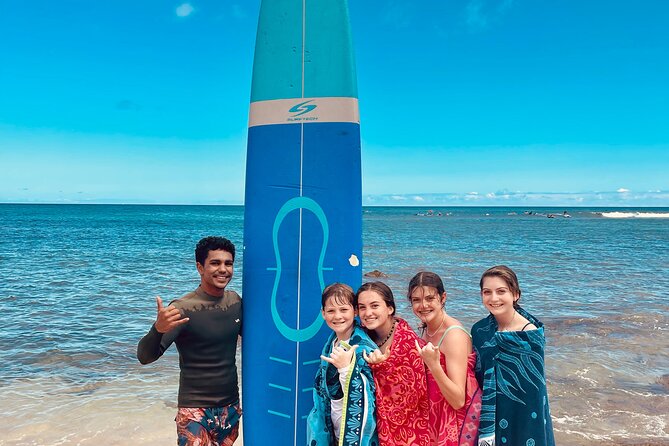
If you’re aiming for an authentic North Shore morning without the hassle of scouting, Puaʻena Point Beach Park is a strong starting point. The setting is described as family friendly, with views that make the wait feel short even when you are getting checked in and geared up.
For a beginner, the best part is what happens around the waterline. This lesson specifically talks about Hawaiian green sea turtles everywhere, and it also promises turtle sightings year round. That matters, because first-day nerves often fade fast when you can also look at something amazing while you are learning.
One more practical thing I appreciate: the lesson is built around a beach that feels approachable. You are not thrown into some complicated logistics maze. You meet, get kitted, get taught, and then you go.
More Oahu tours and island experiences worth comparing

The 2-hour lesson flow that gets you standing sooner
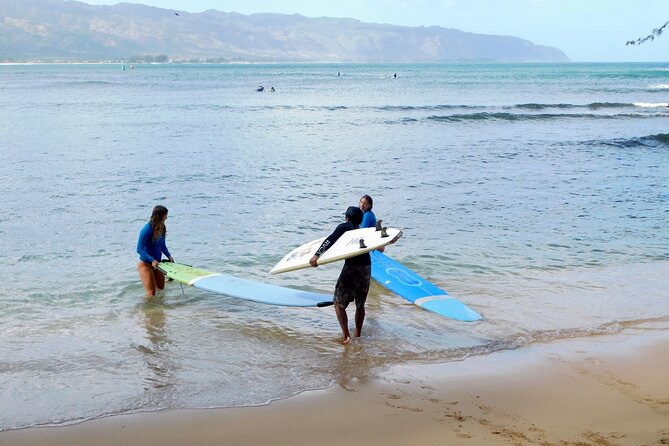
This surf lesson is designed around a clear rhythm, and that rhythm is what helps beginners progress. The timing is laid out so you spend more time practicing than watching.
Here is how the session typically moves:
Stop and set-up at Puaʻena Point
You meet at Puaʻena Point Beach Park (Kahalewai Pl, Haleiwa). Then you get set up with the tools you need: a surfboard, a leash, and a rashguard. They also provide water.
Before anyone hits the water, you get taught key surfing safety and etiquette. For first timers, this is not just “rules.” It is how you avoid the common beginner mistakes, like where to stand, how to respect other people in the lineup, and how to handle the ocean with the right mindset.
Land demo: paddling and standing mechanics
Next comes a land demo, usually around 15 to 20 minutes. The goal is to help you understand the basics of paddling and how to stand on the board before you go out.
This step is important because it gives you a mental checklist. When you get out and the water starts moving, you are not trying to learn everything at once. You are repeating a short set of instructions that you already rehearsed on land.
Time in the surf: where the real learning happens
Finally, the group heads out into the waves for the main session, typically 1.5 to 2 hours. That is a lot of practice time for a first lesson.
The lesson is clearly aimed at getting you catching waves quickly. One of the most consistently praised points is that instructors did not drag the session out. After instruction, the pace stays active, so you are working on paddling, riding, and wave reading rather than sitting around.




What “one-on-one support” feels like in practice
This is listed as a private activity where only your group participates, which already matters for learning. When you are a beginner, group size can make or break your confidence. Fewer people often means more frequent check-ins and faster feedback.
The guidance from instructors is described as friendly, patient, and attentive, especially for first-timers and kids. Names that come up include Kekai (often praised for clear explanations and patience), plus Koa and Kia as helpful instructor support in family sessions.
What I like about how this teaching is described is the focus on action. The session aims to get you surfing early, with instruction that is practical and immediate. That is a big deal because most new surfers freeze when the ocean feels complicated. A supportive instructor helps you break the problem into small steps.
There is also a bold promise built into the experience: a 100% guarantee to stand up and ride waves on your first day. I can’t promise you the ocean always cooperates, but I do like that the program is structured around making that outcome likely through time in the water, safety guidance, and coaching.
Sea turtles in the lineup: why etiquette matters even when it is magical
The North Shore connection here is not just “we might see turtles.” This experience explicitly offers Hawaiian green sea turtle sitings and states a year-round guarantee.
From a learning standpoint, turtles are also a distraction in the best way. When you are watching something beautiful under the surface, you often worry less about every single swell. That can help you stay relaxed, and relaxed surfers usually learn faster.
Still, turtles come with responsibilities. The lesson includes surfing safety and etiquette, which is exactly what you want when wildlife is involved. You will be taught how to behave in the water so you are not causing problems for other surfers or for the animals nearby.
One real caution that shows up in the experience details is stepping carefully around hazards on the beach. Sea urchins are mentioned as a thing to be careful about, so follow the instructor’s guidance on where to walk and how to move before and after you get in.
Gear, comfort, and the small reason you will feel less stressed
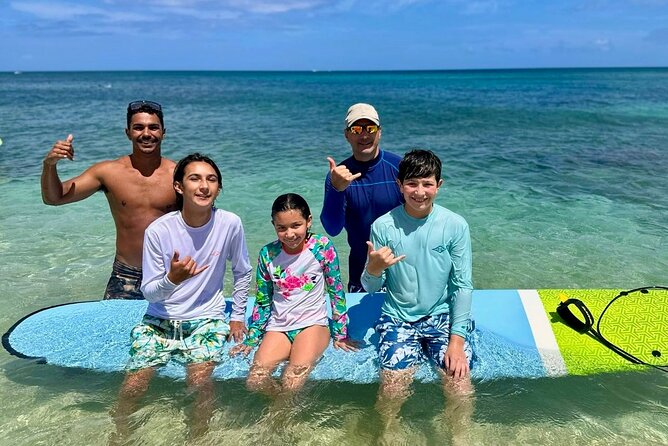
Surf lessons can get expensive fast when you have to rent gear or buy what you think you need. Here, the basics are included: a surfboard, leash, and rashguard. They also provide water.
For first-timers, that reduces friction. You do not have to arrive worrying about whether your board is the right size or whether you brought the right kind of protection. Instead, you show up, get fitted, and focus on what matters: paddling, standing, and wave timing.
The rashguard detail is especially helpful for comfort in the water. A lesson can be discouraging when you feel uncomfortable from the start. Clothing that is appropriate for the ocean makes it easier to stay focused and keep practicing.
The one downside on comfort is also simple: food and drinks are not included. Plan to eat and hydrate before you start so you are not fading mid-lesson. After the session, you will likely want a proper snack and a sit-down.
Price and value: is $150 per person worth it here?
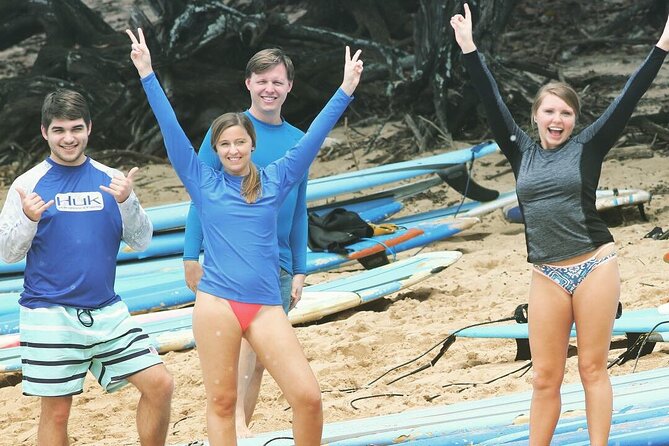
At $150 per person for an experience that runs around 2 hours, the value comes from what you actually get for the money. This is not just “stand on a board and good luck.” It includes:
- Instructor instruction from a certified professional
- Surf gear you do not need to bring
- A structured plan (safety, land demo, then 1.5 to 2 hours in the surf)
- A strong focus on beginner success, including the guarantee to stand and ride
Where the pricing feels fair is in the combination of time and support. Beginners progress when they get enough water time and enough coaching to correct mistakes early. When the session is paced so you are not waiting around, your learning time goes up.
Another value point: the experience is private for your group. Even if you do not have a huge group, that private feel can translate into more attention from the instructor instead of being one voice among many.
If you are traveling with kids, the value story can get even better, because getting four or five hours of family confidence in one visit is easier than trying to piece together practice later.
Who this surf lesson suits best, and who should think twice
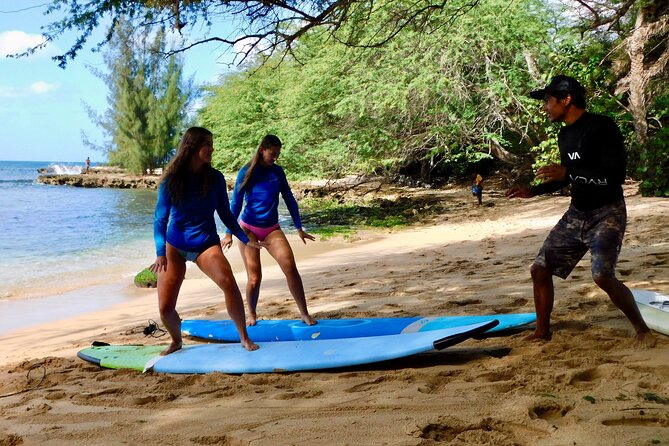
This lesson is designed for beginners, including people who are nervous about being out in the ocean. That comes through strongly in the way instructors are described: supportive, patient, and quick to get you into the action.
It is also a practical fit for families. Kids as young as 8 and 10 are mentioned as doing well, and there are accounts of 3 instructors helping a family group feel comfortable and learn together.
You might want to think twice if you are the type who dislikes close physical instruction or you get easily overwhelmed by water safety steps. This experience depends on you listening and moving carefully, especially early on, including being mindful of beach hazards like sea urchins.
If you go in expecting a calm, guided beginner pace, you are in the right place.
Timing, crowds, and how instructors help you find the better moment
One small detail that can make your session much smoother is water crowding. In at least one instance, an instructor suggested a different time slot from the one originally booked because it meant fewer people in the water. That is a smart move for beginners, since it reduces chaos in the lineup and makes paddling and turning less stressful.
This also matters for your learning loop. If you have space, you get more attempts. More attempts means you build confidence faster.
So if you have scheduling flexibility, it’s worth listening when your instructor recommends an adjusted start time for better conditions.
Should you book this North Shore beginner surf lesson?
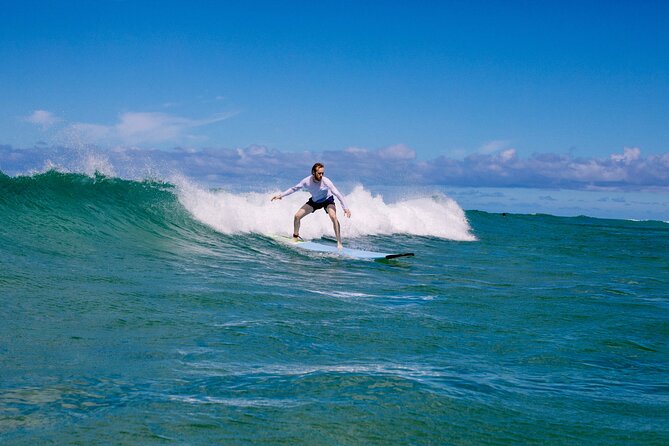
Book it if you want a beginner-focused North Shore experience that is built around coaching, not just sightseeing. The biggest reason to choose it is the mix of gear included, structured instruction, and a session that aims to keep you in the water for a long stretch.
Skip it or reconsider if you know you will not follow safety guidance in or around the water. The ocean is still the ocean, and the beach can have sharp hazards like sea urchins. This lesson works best when you treat instructions as part of the fun.
FAQ
Where is the meeting point for the surf lesson?
You meet at Puaʻena Point Beach Park, Kahalewai Pl, Haleiwa, HI 96712, USA.
How long does the beginner surf lesson last?
It runs for about 2 hours.
How much does the lesson cost?
The price is $150.00 per person.
Is this a private experience or a group tour with strangers?
This activity is private. Only your group will participate.
What surf equipment is included?
The lesson includes a surf board, leash, and rash guard.
Is water provided?
Yes, water is included.
Is food included?
No, food and drinks are not included.
Will I see Hawaiian green sea turtles?
The experience includes a guarantee to see Hawaiian green sea turtles year round.
What language is the lesson offered in?
The lesson is offered in English.
What is the cancellation policy?
Free cancellation is available up to 24 hours before the experience start time for a full refund. If you cancel within 24 hours, you will not get a refund.
More Workshops & Classes in Oahu

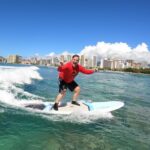
More Tour Reviews in Oahu


Not for you? Here's more nearby things to do in Oahu we have reviewed








Oahu North Shore & Haleiwa Tours, compared.
 ★ 5.0Oahu Grand Circle Island and Haleiwa Tour: 9-Hr Deluxe ExperienceFrom $14017,387 reviews
 ★ 5.0Tour of North Shore & Waimea WaterfallFrom $1543,682 reviews
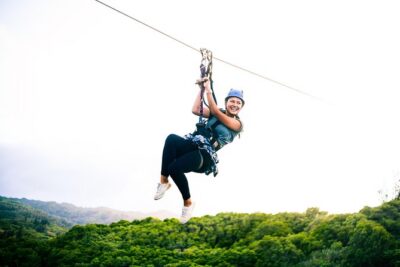 ★ 5.0Oahu’s North Shore: 8-Line Zipline AdventureFrom $2033,616 reviews
 ★ 5.0Toa Luau at Waimea Valley, OahuFrom $1333,350 reviews
 ★ 5.0All Inclusive Ultimate Circle Island Tour, Waimea Falls & LunchFrom $1563,067 reviews
 ★ 5.0Oahu North Shore Experience: Activities, Waterfall & Free TimeFrom $1671,799 reviews
 ★ 4.8Shark Cage Dive on the North ShoreFrom $991,485 reviews
 ★ 5.0Shark Cage Diving on Oahu’s North ShoreFrom $1001,391 reviews
Browse the lists this tour appears in