REVIEW · OAHU SCUBA & WRECK DIVES
First-Time Scuba Diving in Honolulu + Free Videos
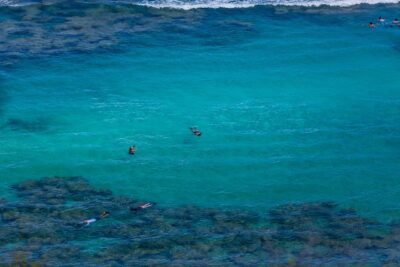
First timers feel nervous. That is the whole point of this small-group Honolulu scuba lesson at Magic Island Lagoon. You get step-by-step coaching, then calm Pacific water time around Ala Moana Beach Park, capped at about 15 feet.
I like the clear structure: gear fitting on land, a safety talk, then building comfort in waist-deep water before going a bit deeper. I also love the hands-on attention, with instructors praised for staying patient and checking in, including names like Danny, Alex, Nick, Dan, Rida, and Aleksander.
The only real caution is what you might see. This is a beginner-friendly setup, but one review noted murkier water and a sheltered feel that limited marine life on that day, so water clarity and conditions matter.
Key highlights to expect in your first Honolulu scuba session

- Small-group cap of 16 keeps the instruction personal
- Max depth around 15 feet makes the experience approachable
- Waist-deep start helps you get comfortable fast
- GoPro video to keep plus lots of guide photos during the session
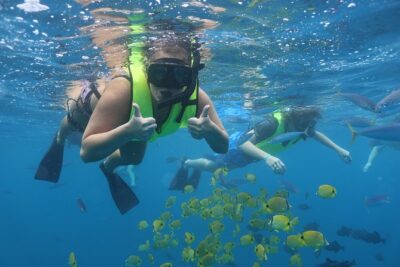
- Marine life sightings can include sea stars, octopus, turtles, and tropical fish (when conditions are right)
- Weather dependent since the experience requires good conditions
Why Magic Island Lagoon is such a good first-time setup

Honolulu is a scuba dream for a lot of reasons, but for beginners the real win is the starting conditions. This experience begins at Magic Island Lagoon, a place designed for an easy on-ramp into the water. The goal is not speed. The goal is comfort.
You’re not thrown into chaos. You’ll spend your first moments waist-deep while your instructor guides your breathing, buoyancy, and basic movements. That matters because scuba confidence is mostly mental. Once you feel stable, you can actually look around and enjoy the reef life.
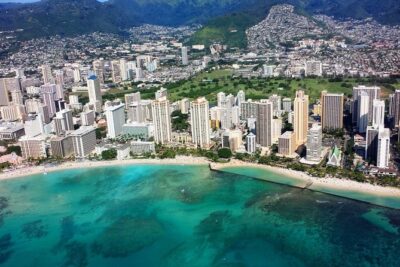
You’ll also be close to Ala Moana Beach Park as part of the session setup. That location tends to feel practical for visitors, since you can combine a first-time scuba try with a regular beach day before or after.
You can also read our reviews of more tours and experiences in Honolulu.
The 90 minutes: what the timing really feels like

The total experience runs about 1 hour 30 minutes, give or take. That’s long enough for real instruction, but not so long that you’re exhausted from stress and gear.
In plain terms, you’re looking at three phases. First, you meet at the lagoon and get fitted with a wetsuit and scuba equipment. Second, you do the safety briefing and practice your basics while you build confidence in shallow water. Third, you move into deeper water (still within the max depth around 15 feet) to see marine life.
A short session is not automatically a downside. For first-time students, it can be a plus. You get the full learning rhythm without the risk of feeling overwhelmed for hours.
One review also hinted that winds and water clarity can shift plans. So treat the “exact feel” of the session as flexible, while the overall coaching structure stays consistent.
Gear fitting and safety talk: where beginners get their footing

Before you go underwater, you’ll get fitted with all the scuba gear, and you’ll get a safety seminar. This is not the quick, vague version. It’s meant to make you confident enough to follow directions underwater.
Key details that matter for real comfort:
- You’ll be wearing a wetsuit and professional scuba kit, which helps with buoyancy and temperature.
- You’ll practice in waist-deep water first, so you can get used to breathing through the regulator.
- Your instructor accompanies you in the water and provides guidance throughout.
If you are anxious on land, this is usually the part that calms you down. The reviews repeatedly praise instructors for being patient and friendly, especially with nervous beginners. Names like Danny and Nick show up in recent feedback for staying calm and checking on students continuously.
Also, don’t skip the practical stuff. Listen carefully during the safety briefing, then ask one simple question if something doesn’t click. It is better to clarify before you’re geared up than to struggle underwater.
Step-by-step underwater experience, from waist-deep comfort to 15 feet

Once you’re in the water, the experience follows a learning ladder.
1) Waist-deep practice
You start in shallow water to build confidence. This is where you learn how to breathe steadily, how to keep your body calm, and how to move without panic. Expect your instructor to guide you step by step, then gradually test what you can handle.
2) Going deeper in a controlled way
When you feel comfortable, you go deeper within the guided limits. The max depth is around 15 feet, which is plenty for first-time wonder. At that depth you can still enjoy seeing colorful fish and reef life while keeping the session beginner-friendly.
3) Seeing marine life while staying relaxed
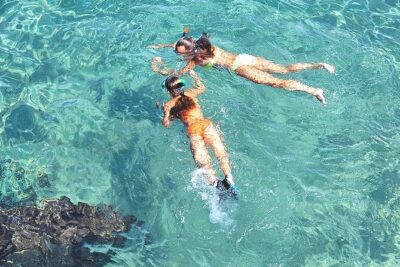
This is where the magic happens, because scuba turns you into a slow-moving observer instead of a quick snorkeler. Your instructor will point out things as you go, and you’ll get time to look.
One strong theme in the feedback: students often report being able to stay underwater most of the tour, even with no prior experience. That usually comes from a combination of patient coaching and a setup that does not force you beyond your comfort zone.
Marine life at Oahu’s calm-water pace: what you can realistically hope for
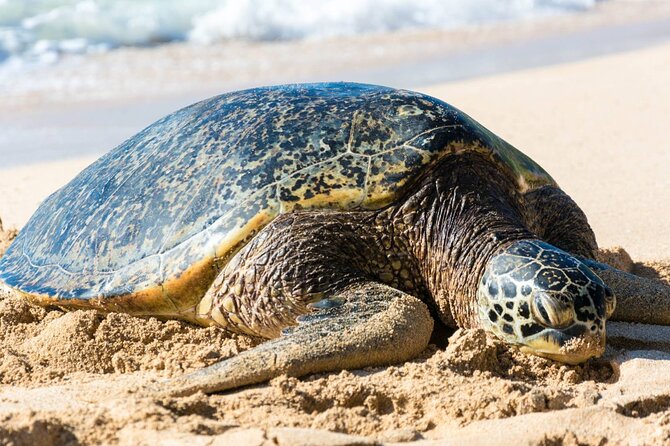
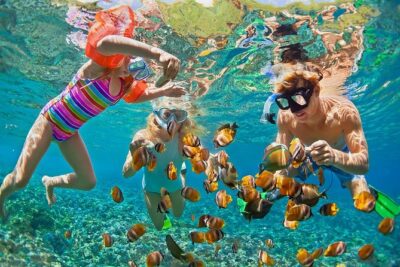
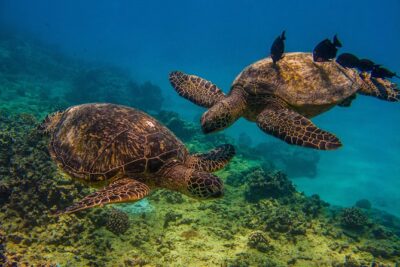
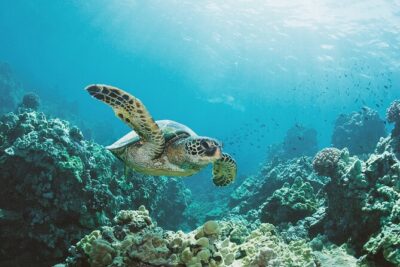
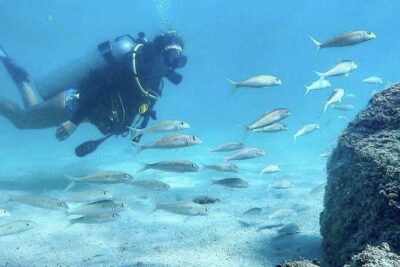
The experience is designed to show you Oahu marine life without requiring expert skills. The overview highlights possible sightings like green sea turtles, octopuses, and sea stars, plus colorful tropical fish.
From the same overall experience pattern, you may also see corals and more unusual sea life like boxfish, sea cucumbers, and even jellyfish, depending on conditions and what the guide finds. Some sessions focus on easy-to-spot animals close to where you practice.
One caution from a less-perfect review: if the water is murky and the area feels sheltered, you might see fewer creatures than you hoped. That does not mean the ocean is “bad.” It means underwater visibility and the exact local conditions you’re using that day matter.
My advice: go into the experience expecting a guided first look, not a guarantee of perfect clarity. If you want the best chance at lively sightings, aim for the earliest session your schedule allows. One review explicitly said earlier timing helped with marine life.
Stop 1: Try scuba practice where your confidence is the target
Stop 1 is where you actually learn. Think of it as the training phase that turns first-time gear into something you can control.
What this stop gives you:
- Equipment fit and setup, so the gear feels right on your body
- Safety briefing that prepares you for underwater breathing and movement
- Shallow practice so you learn without panic
This is also where instructors earn their reputation. In the feedback, people consistently point out that guides like Danny and Alex were thorough, patient, and focused on safety. That combination is key. Scuba is simple once explained well, but the explanation has to be steady, not rushed.
Stop 2: Ala Moana Beach Park waters for an easy first look
Stop 2 takes the lesson from practice to sightseeing. You spend your underwater time in the Pacific around the Ala Moana Beach Park area, while still using a beginner-friendly depth plan.
Why this second stop is valuable:
- You get to experience the feeling of being underwater in a real ocean setting, not just a test pool
- You have time to observe marine life while the instructor manages your buoyancy and comfort
- The scenery and sea life make the whole experience feel worth it beyond the learning basics
The practical upside for visitors is that the area is accessible and easy to pair with other Oahu plans. You are not stuck far from the things you came to see.
GoPro videos and photos: the best souvenir format for beginners

Here’s a detail I really appreciate for first-time scuba students: the guide takes video and pictures throughout the session. At the end, you take home your underwater GoPro video.
That matters because your brain is busy when you’re learning. It is hard to process what you’re seeing in the moment. Later, you can review your own slow-motion underwater moves and actually remember the marine life.
Also note the policy detail: complimentary videos are included, and if the camera malfunctions there is no refund for the tour. So do not treat the video as the reason to book. Treat it as a bonus.
If you care about capturing your own shots, you can still post memories on social media with what the guide provides. You’ll have plenty to share, especially since beginners often feel shocked by how quickly an underwater moment becomes a standout memory.
Price and value: why $89 can make sense for first-time scuba
At $89 per person for about 1.5 hours, this is not a “cheap thrill” experience. It is priced like a guided lesson with equipment, safety instruction, and an instructor in the water with you.
Here’s where the value shows up:
- All scuba gear included, so you do not need to rent or worry about buying basics
- Small-group format (up to 16), which supports attention and safer coaching
- Underwater media included via guide-captured GoPro video
- No certification needed, so you pay for learning, not paperwork
Compared to trying to self-manage equipment on your own, the price feels fair because the instructor’s time is the main product. Reviews back this up by praising patient teaching and strong safety focus, including support for nervous first timers.
Just remember the vibe: this is a low-key introduction. If you want long bottom time, advanced maneuvers, or open-water scouting, this is not the tool for that. For a first taste, it is well matched.
Comfort, fitness, and the glasses/contact rule you should know
This experience has a few comfort rules that you should take seriously, because they protect your enjoyment.
You should have a moderate physical fitness level and must be able to walk with equipment. You also must be comfortable in the water. No swimming experience is required.
If you wear glasses:
- Prescription glasses cannot be worn under snorkel or scuba masks.
- Contact lenses are allowed, or you may go without.
- Underwater magnification makes objects appear about 25 percent closer and larger.
That magnification note is useful. If you go without contacts, the view might still feel satisfying rather than blurry.
Also, flying soon after scuba is not recommended. If you have a flight, try to avoid flying within 12 hours after your session.
What to do with nerves: instructor support that shows up in reviews
First-time scuba is often sold as adventure, but the real product is reassurance. The most praised aspect across feedback is how instructors create a calm environment.
People specifically call out:
- clear explanations before going in
- patience with slow learners
- constant check-ins underwater
- a safety-first tone that helps anxious beginners
Names that come up often include Danny, Alex, Nick, Dan, Rida, and Aleksander. You cannot pick your instructor from this info, but you can book with confidence that the operator uses a coaching style geared toward first timers.
My practical tip: tell your guide if you are anxious before you enter the water. If they know your starting point, you’ll likely get more tailored reassurance.
Who should book this first-time scuba experience in Honolulu
This is a great match if you want:
- a guided first-time scuba lesson with no certification
- a relaxed atmosphere, not a technical training course
- a chance to see marine life quickly and safely
- a small-group experience with a guide right there with you
- a memory package via GoPro video and photos
It is also a good option if you are traveling with teens. One review described a positive first experience for a 10-year-old, plus a calm, safe feeling in the water.
You might think twice if:
- you are expecting crystal clear open-water visibility every time
- you dislike the idea of a sheltered, beginner-focused water setup
- you want an all-day experience with deep time underwater
Should you book this Honolulu first-time scuba session?
Yes, I’d book it if you want a simple, guided first experience in Honolulu with gear provided and a real instructor in the water. The combination of a shallow confidence-building start, small groups, and the included GoPro video makes it good value at $89.
Book with the right expectations. Treat this as a training-led introduction, not a guarantee of legendary visibility or rare wildlife on command. If your main goal is to feel comfortable underwater and leave with proof you did it, this fits.
If you can, choose the earliest available slot for better marine life chances, and be honest with your instructor about nerves. That is the fastest path to enjoying your Pacific moment.
FAQ
Do I need scuba certification for this Honolulu experience?
No. The experience is designed so you can learn to scuba with a small group and no prior certification is needed.
How deep does the session go?
The maximum depth is around 15 feet.
Do I need to be a strong swimmer?
No swimming experience is necessary. You do need to be comfortable in the water, and you should have moderate physical fitness for walking with the equipment.
What is included in the price?
The experience includes a guided scuba adventure, a professional guide, all scuba gear/equipment, and complimentary videos with a GoPro video from your session.
Can I wear glasses or contacts during the session?
Prescription glasses cannot be worn under the mask. Contact lenses are allowed, or you may go without. Underwater magnification makes objects appear about 25 percent closer and larger.
What happens if weather is bad or I cancel?
The experience requires good weather. If it is canceled due to poor weather, you will be offered a different date or a full refund. You can cancel up to 24 hours in advance for a full refund, and cancellations within 24 hours are not refunded.
More Tour Reviews in Honolulu
Not for you? Here's more nearby things to do in Honolulu we have reviewed
Oahu Scuba & Wreck Dives, compared.
★ 5.0Beginner Scuba Diving Experience with Video Package in HonoluluFrom $77877 reviews
★ 5.0Certified Diver: 2-Tank Deep Wreck and Shallow Reef Dive Off OahuFrom $248331 reviews
★ 4.5Incredibly Fun Coral Reef Giant Sea Turtles 4hour Boat Scuba TourFrom $299300 reviews
★ 5.0Certified Diver: 2-Tank Shallow Reef Dives off OahuFrom $141278 reviews
★ 4.5Waikiki 2 Tank World Class Wreck SCUBA Diving – Certified OnlyFrom $269205 reviews
★ 5.0DISCOVER Scuba Diving Experience in HonoluluFrom $141202 reviews
★ 4.8Waikiki Discovery Scuba Diving for BeginnersFrom $27099 reviews
Browse the lists this tour appears in