Surfing Lessons On Waikiki Beach

REVIEW · WAIKIKI & DIAMOND HEAD TOURS

Surfing Lessons On Waikiki Beach

4.5 · 317 reviews 1 hour 30 minutes (approx.) From $129 Operated by Big Wave Dave Surf & Coffee · Bookable on Viator
Book on Viator →

Waikiki is the shortcut to your first waves. This small-group lesson through Big Wave Dave Surf & Coffee mixes hands-on coaching with the comfort of included equipment. One key consideration: you must be able to swim and you should expect a workout, not a gentle stroll.

You’ll start near Waikiki Beach Walk, get coached on safety and paddling on land, then head into the south-facing water where beginners can learn in relatively shallow, sandy conditions. If you pick the right time and listen closely, it’s a big-confidence moment that feels very Hawaii, even with the busier beach scene right around you.

Key Things To Know Before You Go

Surfing Lessons On Waikiki Beach - Key Things To Know Before You Go

  • Max five in the group means you’re not stuck waiting for attention.
  • 20 minutes on land first gives you the setup for paddling, board control, and wave handling.
  • Waikiki’s beginner-friendly south-facing coast usually means softer, shallower starts.
  • Locker use is included, but you may still want a plan for locks.
  • Lesson quality depends on conditions and instructor communication like hearing directions over waves.

Entering The Big Wave Dave Meeting Spot, Then Moving Fast

Surfing Lessons On Waikiki Beach - Entering The Big Wave Dave Meeting Spot, Then Moving Fast
You’ll meet at Big Wave Dave Surf & Coffee, 226 Lewers St #154 in Honolulu. Arrive about 20 minutes early so you can check in without stress and get your body ready, because the lesson starts right away.

This is a setup that works well for visitors staying in Waikiki. The shop is close to public transportation, and it’s easy to build the rest of your day around the class. You’ll also have a place to get organized and gear up before you walk to the water.

A small but smart detail: the experience includes locker access. That matters if you plan to keep phone and wallet safe while you’re in and out of the lineup. For your comfort, think of this lesson as a “show up, follow the steps, and you’ll be in the water quickly” kind of activity.

More Oahu tours and island experiences worth comparing

Waikiki’s South-Facing Water Is Built For First-Timers

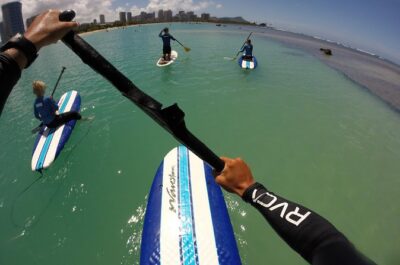
This lesson uses Waikiki’s south-facing coast for a reason. Beginners do best when the water is calm enough to practice core movements, and the bottom is friendly. Here, you get conditions described as a soft, sandy bottom with shallow water, which lowers the fear factor when you’re still learning board control.

That beginner setup is more than convenience. It affects how many times you can try the same skill. When you’re not fighting deep water or hard impacts, you can focus on the three big moments of surfing:

  1. paddling out efficiently,
  2. positioning on the board,
  3. standing at the right time and angle.

A couple notes from real-world experiences you might run into: Waikiki can be busy, and parts of the launch area may be shared with other activities. One unhappy account described a launch point that felt tight and stressful with a boat coming in while they were paddling. That doesn’t mean it will happen to you, but it does mean you should take a deep breath and trust the instructor’s plan for timing.

What You Do Before the Waves: Locker, Board, Leash

Surfing Lessons On Waikiki Beach - What You Do Before the Waves: Locker, Board, Leash
Once you check in, you’ll use the provided locker to store your belongings. Then you’ll collect your surfboard and leash, which are included. You don’t need to bring your own gear, which keeps the cost simpler and prevents the classic vacation problem of arriving with the wrong equipment.

What’s worth planning for:

  • Rash guard rental costs extra, listed at $5.
  • Optional lock rental is listed at $5, or you can bring your own lock.

If you get cold easily, a rash guard can make a difference, but it’s not required by the info you have here. Still, if you’re visiting in a season where the water feels chilly to you, paying the $5 can feel like a cheap upgrade.

Language is English, and you’ll get professional instruction throughout. That matters because the first goal is not bravery. It’s learning to move safely and consistently.

The 20-Minute On-Land Session That Makes Surfing Click

Surfing Lessons On Waikiki Beach - The 20-Minute On-Land Session That Makes Surfing Click
Your lesson begins on the beach. Before you enter the water, you get about 20 minutes of on-land coaching. This is where beginners usually build the “mental map” that makes the ocean feel less random.

On land, instructors cover the basics like:

  • water safety etiquette,
  • paddling technique,
  • board maneuvering,
  • wave handling practices.

Then you practice the key moves while the instructor stays with you. This part is underrated. When you start in the ocean without the on-land rhythm, you end up reacting instead of surfing.

If you want a practical takeaway, here it is: listen closely to the exact instruction style you’re given. Several positive accounts praised clear explanations and patience. That tells you the teaching approach matters, not just the location.

The Water Time: Standing Up With an Instructor Beside You

Surfing Lessons On Waikiki Beach - The Water Time: Standing Up With an Instructor Beside You
After the on-land fundamentals, the class goes into the water for the main surf coaching. The big promise here is personal attention: small-group format, and the instructor is beside you to help you focus on standing up and riding waves.

The coaching goal is straightforward:

  • get you to stand,
  • help you catch waves you can actually ride,
  • build confidence without turning every attempt into a scramble.

One review highlighted that instructors read timing well, pushing riders to catch waves at the right moment. Another said that with the instructor guiding them, they were able to stand multiple times. When that happens, surfing changes from “trying not to fall” into “oh, I get it now.”

You might also see ocean life. One first-time surfer described a turtle hanging around nearby during the session. That’s not guaranteed, but it’s a reminder that this is not an indoor activity. Stay present, and don’t let nerves steal your attention.

Here's some more things to do in Oahu

When It Feels Tough

Surfing can be physically demanding. Even with a beginner-friendly setup, you’re paddling, balancing, and trying to coordinate timing. If you feel nervous about turning or moving across the board, say it early. The water coaching depends on the instructor being aware of where you are mentally and physically.

There is one caution from an especially negative account: the lesson participant felt that their group lacked timely help when one person was struggling. I cannot promise that won’t happen, but you can reduce your risk by speaking up quickly if you’re getting overwhelmed. Surf instruction is best when you and your coach communicate in plain terms.

Group Size, Instructor Styles, and the Names Worth Remembering

Surfing Lessons On Waikiki Beach - Group Size, Instructor Styles, and the Names Worth Remembering
This class is capped at a maximum of five travelers. That group size is a real value point, because surfing lessons can turn into a “line waiting for your turn” situation if the group is too large.

The positive experiences repeatedly mention patient, encouraging instructors who took time to build confidence. Names that came up include Derek, Josh, Tanner, Mouse, Alex, Cody, and Joshua. Some accounts describe instructors guiding families and teens through a first lesson smoothly, while others emphasize how attentive the coaching felt when they were trying to stand.

Still, no small-group lesson is immune to variability. Conditions change. Wind and water noise can make it hard to hear instructions clearly. One review complained that the guide’s voice did not carry and that it was difficult to hear directions on the water.

My practical advice: if you know you have trouble hearing, position yourself so you’re facing the instructor when you’re listening. And when directions are given, repeat the key instruction back in your own words before you get into the water. That simple habit can prevent confusion fast.

Price and Value Check: Is $129 Worth It?

Surfing Lessons On Waikiki Beach - Price and Value Check: Is $129 Worth It?
At $129 per person for about 1 hour 30 minutes, you’re paying for two things:

  1. time with a professional instructor who handles safety and pacing, and
  2. the equipment setup, including the surfboard and leash.

You’re also paying for the beginner-friendly environment near Waikiki that helps reduce the chaos of learning. When the lesson goes well, you’re not just “trying surfing,” you’re getting coaching that turns attempts into progress.

Where value can feel shaky is when conditions are not great or when communication gets lost. One review labeled the experience overpriced after getting only a few low-quality wave opportunities. Another mentioned a small launch area shared with a catamaran tour that made paddling feel stressful.

So here’s the honest way to frame it: if weather and water conditions cooperate, this price can feel very fair. If conditions or hearing are an issue, you might wish the session had more targeted attention or clearer communication.

For most people, though, the combination of small-group format, included gear, and beginner-focused coaching is the sweet spot.

Timing in Waikiki: Morning Tides, Afternoon Wave Size

Surfing Lessons On Waikiki Beach - Timing in Waikiki: Morning Tides, Afternoon Wave Size
One tip that stands out is booking in the morning for higher tides, while afternoon can bring smaller waves to start. That’s especially useful if you’re nervous about getting tossed or if you want a confidence-building warm-up.

You also get practical time control. One lesson runs about 1.5 hours, so you can slot it into your Waikiki day without losing the whole afternoon.

The beach around Waikiki is busy. Traffic and crowd flow can affect how the instructor moves the group and launches you. The best approach is to give yourself enough time and treat the first few minutes as part of the process, not a sign the lesson is going wrong.

What to Bring: Sunscreen, Swim Skills, and Smart Add-Ons

You don’t need surf equipment. You do need the essentials:

  • You must be able to swim.
  • Bring moderate physical stamina because paddling and balancing take real energy.
  • Plan for a locker situation, and decide if you want to rent a lock ($5) or bring your own.

Rash guard rental is available for $5. It’s not included, so if you want one, plan to grab it at the shop. If you go without a rash guard, wear swimwear you’re comfortable getting wet in and consider sun protection, because Waikiki sun can be intense.

Also, this lesson is offered in English. If you travel with people who speak limited English, you’ll want to consider whether they can understand safety cues and coaching directions clearly.

Safety Reality Check: What the Lesson Promises, and What You Should Do

The lesson includes water safety etiquette and wave handling practices right from the start. That’s the backbone of beginner success.

But you also need to meet the requirement side. You must be able to swim, and beginners still need to listen and follow the instructor. A leash keeps board control attached, but it doesn’t magically turn falling into fun. Your goal is safe reps, not heroic attempts.

If you’re nervous, say so. If you’re a weaker swimmer, say so before you enter the water. A good instructor can adjust coaching cues to match your comfort level. And based on multiple positive accounts, the better sessions are the ones where the instructor stays attentive and encouraging.

Who This Surf Lesson Fits Best

This is a strong fit if you:

  • are trying surfing for the first time and want a guided path to standing,
  • prefer small-group attention over a large crowd lesson,
  • want a Waikiki experience that feels culturally local through surfing context and ocean coaching,
  • are traveling with teens or family members who want a shared adventure.

Multiple family experiences mentioned kids and teens taking the lesson together, and several first-timers said it felt manageable. One review even mentioned a surfer in older age having confidence built quickly. That suggests the coaching can flex to different ages, as long as everyone meets the swimming requirement and is ready for effort.

Who might skip it:

  • if you cannot swim,
  • if you’re looking for a purely relaxing activity,
  • if you get extremely anxious in open water and would not be able to follow coaching calmly.

Should You Book This Waikiki Surf Lesson?

I’d book it if you want your first surf experience to be coached, not random. The combination of a maximum of five people, included board and leash, locker access, and beginner-focused south-facing Waikiki conditions is a real recipe for progress.

I would hesitate only if open-water anxiety is a deal-breaker for you, or if you absolutely need a lesson where you can hear every instruction no matter the wind or wave noise. If you do book, give your instructor honest information about your swim comfort, arrive early, and aim for a morning slot if you want higher-tide conditions and more wave variety.

If you want a first surf memory that feels like Hawaii, this is one of the more practical ways to get it.

FAQ

Where do I meet for the Waikiki surfing lesson?

You meet at Big Wave Dave Surf & Coffee, 226 Lewers St #154, Honolulu, HI 96815. The activity ends back at the same meeting point.

How long is the lesson?

It runs about 1 hour 30 minutes.

Is this lesson in a small group?

Yes. The maximum group size is five travelers, and you’ll have professional instruction throughout.

What gear is included, and what might cost extra?

Your surfboard and leash are included, and you can use a locker. A rash guard rental costs $5 if you want one, and you can rent an optional lock for $5 or bring your own.

Do I need to know how to swim?

Yes. The activity requires that you can swim.

Is photography included?

No. Photography is not included. If you want photos, you’d need to make advance reservations.

What happens if weather cancels it, or if I cancel?

If it’s canceled due to poor weather, you’ll be offered a different date or a full refund. You can cancel up to 24 hours in advance for a full refund, and within 24 hours it is not refundable.